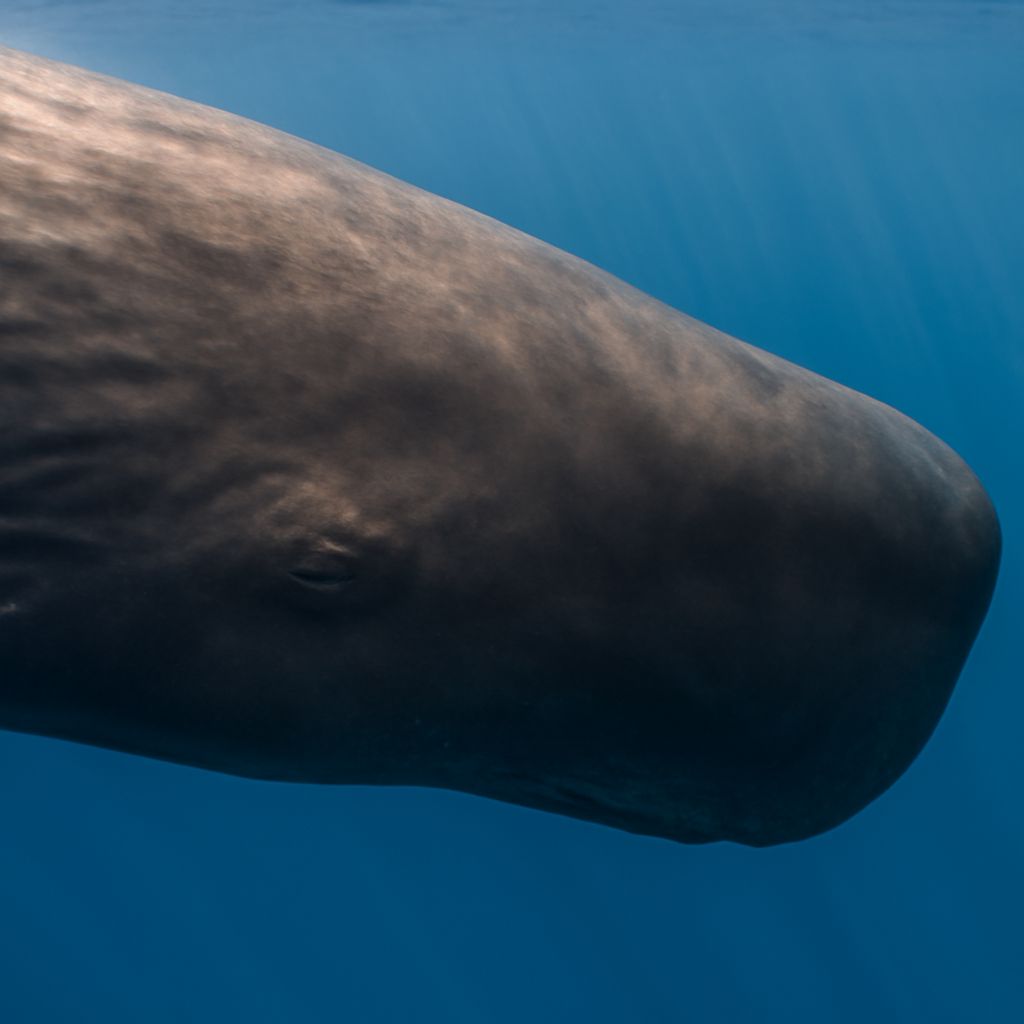
Sperm whales are among the largest and most enigmatic creatures inhabiting the world’s oceans. Exploring sperm whale sleep not only reveals fascinating facts about their biology but also provides insight into the adaptive marvels of marine mammal life. Anyone interested in what do sperm whales eat and how they survive will discover that their rest patterns are intimately connected to their environment and feeding habits.
This article uncovers the mysteries behind cachalot whale sleep, examining how these giants find rest amidst constant movement and dangers beneath the waves. From surprising sperm whale facts to comparisons with other species, readers will gain a deeper appreciation for the intricate balance between sleep, diet, and survival in the deep ocean.
Why Understanding Sperm Whale Sleep Matters
Deciphering the sleep behavior of sperm whales is essential for both marine biology and conservation efforts. These creatures, known scientifically as Physeter macrocephalus, are not only important for ocean ecosystems but also serve as indicators of ocean health. By observing their rest patterns, scientists can detect signs of environmental stress or changes in prey availability, which often impact their well-being.
The study of sperm whale sleep is also significant in understanding mammalian adaptations to aquatic environments. Unlike land mammals, whales must balance unconscious rest with the need to surface for air. This unique challenge has shaped remarkable behaviors that differ even among closely related species. For researchers and conservationists, these observations inform decisions about protecting critical habitats and minimizing human disruptions, such as noise pollution or shipping lanes, that could disrupt natural sleep cycles.
Moreover, the techniques utilized to monitor whale rest—such as time-depth recorders and underwater video—have advanced knowledge not just of sperm whales, but of ocean life in general. The findings contribute to a growing body of evidence on how sensory and physiological needs drive the evolution of sleep in animals as varied as dolphins, seals, and baleen whales.
What Do Sperm Whales Eat and How Does It Affect Their Sleep?
Sperm whales are renowned for their deep-diving prowess, descending for prey such as squid and fish at depths of over 1,000 meters. What do sperm whales eat determines not only their energy levels but also the demands placed on their bodies, influencing when and how they can rest. Since hunting giant squid in the mesopelagic zone is energy-intensive, these whales must optimize both feeding and sleep to survive.
Feeding dives can last up to 45 minutes or more, followed by shorter surface intervals. The need to replenish oxygen and recover from exertion pushes sperm whales to adopt brief, efficient sleep bouts. Their diet, rich in protein and fat, supports sustained periods of activity punctuated by these short, motionless rests near the surface. Individuals may remain nearly vertical, with their heads just below the waterline, appearing almost statuesque as they drift in and out of sleep.
The interplay between diet and rest is further evidenced by group dynamics. Pods coordinate their deep dives to maximize foraging success while ensuring some members can remain alert for threats, illustrating how food sources and social structure dictate rest opportunities. In essence, the answer to what sperm whales eat is inseparable from understanding their sleep strategy.
Unique Sperm Whale Sleep Patterns Revealed
Recent research, often involving tagging and direct observation, has revealed that sperm whales sleep in short, intermittent bursts. Unlike continuous or lengthy rest periods, these naps typically last between 6 and 24 minutes. Such patterns are a striking adaptation to the dangers and respiratory demands of their environment.
During rest, groups of sperm whales may gather at the surface, aligning vertically and remaining motionless. This behavior is distinct among cetaceans and offers a rare glimpse into how large marine mammals can enter a sleep-like state without the risk of drowning. Researchers have documented these phases using underwater cameras and accelerometer data, observing a marked reduction in movement and responsiveness to external stimuli.
Partial use of “sperm whale sleep” occurs as studies discuss the transition between active swimming and the onset of restful states. These brief periods are crucial for brain recovery, memory consolidation, and physical restoration. Notably, sperm whales are thought to engage in unihemispheric slow-wave sleep, where one brain hemisphere remains alert while the other rests—an adaptation shared with certain other cetaceans and birds. This unique rest strategy allows them to maintain partial awareness of their surroundings even while sleeping.
Cachalot Whale Sleep vs. Other Whale Species
While sperm whale—or cachalot whale—sleep has evolved for deep-diving lifestyles, other whale species display contrasting behaviors. Baleen whales, such as humpbacks, often rest while swimming slowly at or near the surface, and some dolphins reportedly sleep with one eye open, keeping half of their brain awake for vigilance. Compared to these species, the vertical, motionless posture of cachalot whales is particularly striking.
Researchers have used time-lapse photography and tagging to compare sleep across species, noting that sperm whales’ group sleep scenes are rarely seen in baleen whales. In some cases, pods synchronize their rest, possibly enhancing safety by having multiple lookouts awake at any time. The different sleep strategies among cetaceans can be traced to their size, predation risk, and ecological niche, with cachalot whale sleep representing a solution finely tuned to deep, open-ocean life.
Partial uses of “cachalot whale sleep” can be seen in studies examining the distribution of sleep bouts, the role of echolocation in waking, and the influence of social bonds on rest. These findings highlight that while sleep is vital for all mammals, the methods and rituals surrounding it are as varied as the whales themselves.
Surprising Sperm Whale Facts Related to Sleep
Among the most remarkable sperm whale facts is their ability to sleep while floating vertically. This spectacle, observed in the wild, once led sailors to mistake resting whales for floating logs. Additionally, scientists have discovered that sperm whales can remain motionless and appear unresponsive for several minutes at a time—an unusual trait among large mammals.
The rarity of these sleep sessions—comprising just 7% or less of a sperm whale’s day—reminds observers how efficiently these giants have adapted their rest to suit a demanding lifestyle. Partial references to “sperm whale facts” are found in discussions about brain size, communication during sleep, and the frequency of group resting events. These cetaceans’ minimal yet effective sleep challenges common assumptions about mammalian rest needs and underlines the diversity of sleep strategies in the animal kingdom.
Ongoing research continues to unveil new details, such as possible dreaming behaviors and the effects of age or environmental stress on sleep quality. The more scientists learn, the more they appreciate the complex interplay between physiology, ecology, and behavior in these ocean giants.
Next steps: For those studying or observing whales, regular monitoring of rest patterns—in conjunction with direct observation and tagging—can deepen understanding of sleep in marine mammals. Protecting quiet ocean habitats and minimizing human disturbance will further ensure these remarkable sleep behaviors endure undisturbed for generations to come.