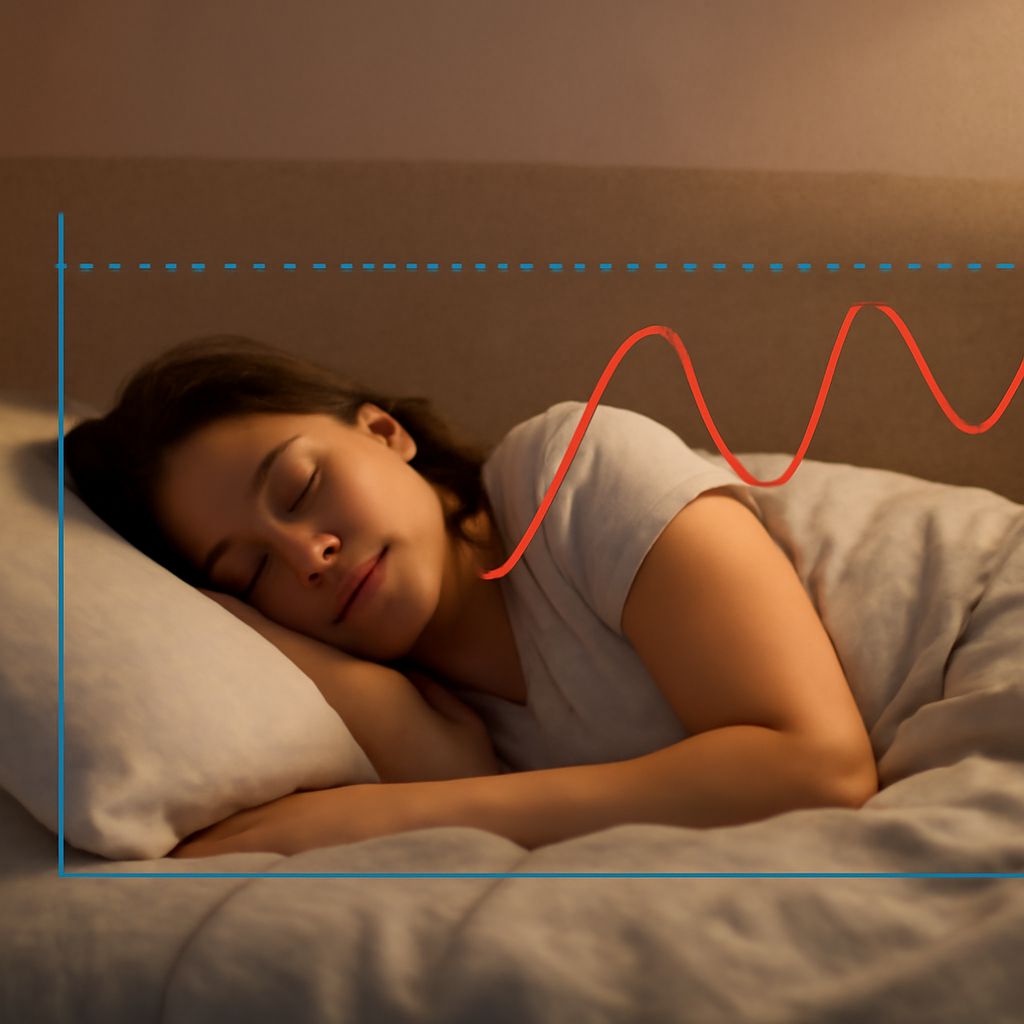
Waking up multiple times each night can leave a person feeling drained and frustrated. Whether the concern is why do I keep waking up at night or figuring out why you wake up every 2 hours, understanding the underlying causes is the first step toward better sleep. Addressing these interruptions with a clear and practical approach often brings significant relief and improved daytime functioning.
If you regularly find yourself waking up every 2 hours or experiencing waking up multiple times a night, this article explores common reasons for disrupted sleep and provides actionable strategies for improvement. Each section discusses evidence-backed advice and measurable steps, helping anyone seeking long-term solutions for more restful nights.
Common Reasons Why You Keep Waking Up at Night
Sleep fragmentation, where a person wakes several times during the night, can have various triggers. For some, physical health conditions such as sleep apnea, acid reflux, or even restless legs syndrome can prompt frequent awakenings. Sleep apnea, for example, often causes breathing interruptions that may rouse a person without them realizing it, sometimes every 2 hours or more frequently. Tracking symptoms—such as morning headaches, dry mouth, or snoring—can help identify if sleep-disordered breathing is at play.
Environmental factors contribute significantly to sleep disturbances. Light pollution, sudden noises, or room temperatures outside the 16-20°C (60-68°F) range may disrupt sleep cycles. Even minor discomfort, like a lumpy pillow or synthetic bedding, can make it harder to remain asleep. Adjusting the sleep environment, checking for sources of light or noise, and reviewing bedding quality provides a practical starting point for improvement.
Psychological factors, such as stress and anxiety, often manifest as waking up multiple times a night. When the mind remains busy or tense, sleep cycles are easily interrupted. Cognitive arousal—racing thoughts, problem-solving, or anxiety about the day—can make it difficult to fall back asleep after waking. Keeping a notepad by the bed for jotting down thoughts or worries can sometimes minimize repeated awakenings caused by mental restlessness.
Lifestyle habits also play a critical role. Consuming caffeine or alcohol late in the evening disrupts the body’s natural rhythms, making it more likely to experience fragmented sleep. Even eating heavy meals within two hours of bedtime can increase the likelihood of waking up at night, as digestion interferes with sleep quality. Carefully observing and modifying evening routines—such as limiting screen time one hour before sleep or choosing lighter snacks—often leads to measurable improvements in sleep continuity.
How to Stop Waking Up Every 2 Hours: Practical Tips
Improving sleep stability often starts with structured routines. Setting a consistent bedtime and wake-up time, even on weekends, helps regulate the body’s internal clock. Using an alarm at the same time each morning, and dimming lights an hour before sleep, encourages a smoother transition through sleep stages. Those who keep waking up at night may benefit from gentle wind-down activities, such as reading or mindful breathing, for at least 20–30 minutes before bed.
Optimizing the bedroom for sleep can dramatically reduce night-time awakenings. Blackout curtains, white noise machines, and a cool, dark environment encourage longer stretches of undisturbed sleep. Checking for drafts or heat sources and monitoring temperature with a digital thermometer ensures the room remains in the ideal sleep range. For those who wake up every 2 hours, tracking sleep patterns with a wearable device or sleep diary can pinpoint patterns and triggers, guiding further adjustments.
Addressing dietary and hydration factors is another effective tactic. Limiting caffeine to the morning and early afternoon, and avoiding large quantities of fluids one to two hours before bedtime, helps prevent awakenings due to stimulant effects or late-night trips to the bathroom. Instead, a small, complex-carbohydrate snack—such as a handful of whole-grain crackers—may help stabilize blood sugar levels and promote uninterrupted sleep. Monitoring alcohol consumption and skipping nightcaps can also cut down on arousals, as alcohol tends to fragment sleep architecture.
For those who experience waking up multiple times a night due to stress, incorporating relaxation techniques is crucial. Practicing deep, slow breathing for five minutes, or engaging in progressive muscle relaxation, can help transition the body from alertness into a sleep-ready state. Keeping a regular sleep log, noting bedtime, wake times, and any disruptions, provides tangible data to assess progress. Over a span of two to four weeks, small changes can yield noticeable differences in how often a person wakes up at night, supporting the journey toward better rest.
When to Seek Help for Waking Up Multiple Times a Night
There are situations where self-guided strategies may not be enough. If someone continues to wake up every 2 hours or more and experiences persistent fatigue, mood changes, or trouble concentrating during the day, it may signal a deeper issue like chronic insomnia or an underlying medical condition. Documenting all symptoms—including snoring, gasping, heartburn, or restless legs—equips a healthcare provider with detailed information to guide assessment and treatment.
Working with a sleep specialist can offer advanced diagnostic tools. Overnight sleep studies, at-home monitoring devices, or specific blood tests may reveal sleep apnea, periodic limb movement disorder, or hormonal imbalances contributing to repeated awakenings. Medical professionals can also assess the impact of prescription medications, as certain drugs for blood pressure, asthma, or depression may fragment sleep cycles. Adjusting these therapies under supervision frequently improves sleep continuity within several weeks.
If anxiety or depression is involved in waking up multiple times at night, referral to a mental health professional is recommended. Evidence-based therapies, such as cognitive-behavioral therapy for insomnia (CBT-I), provide structured techniques to change thoughts and behaviors that interfere with sleep. Tracking improvements in a sleep diary and setting measurable goals, such as reducing awakenings from four to two per night over a month, helps monitor progress and adjust interventions as needed.
Ultimately, ongoing sleep disruption should not be ignored. Combining at-home strategies with professional support ensures a comprehensive approach to restoring healthy, restorative sleep. By taking proactive steps and tracking results over time, individuals can regain control over their sleep and benefit from the restorative power of consistent, uninterrupted rest.