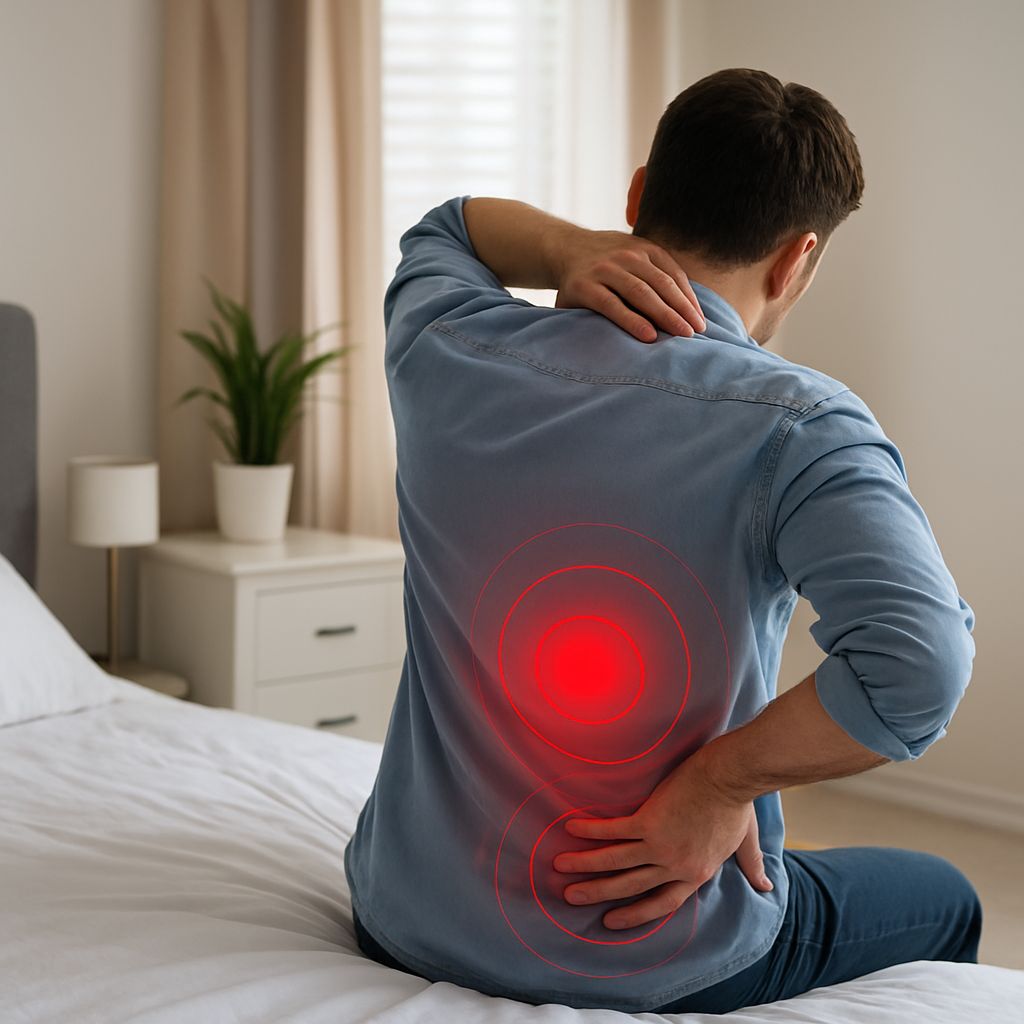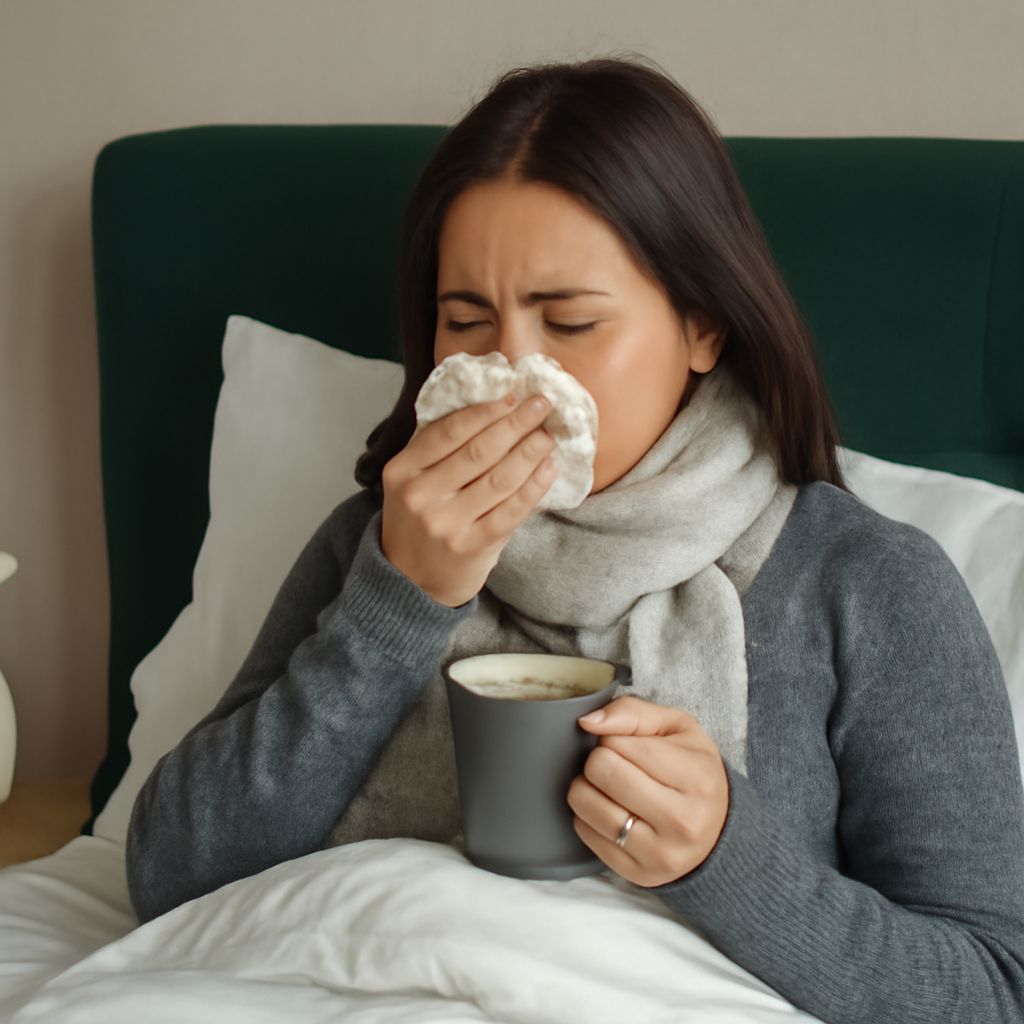
Walking pneumonia can disrupt your daily routine without warning, often feeling milder than classic pneumonia yet still causing persistent discomfort. Unlike typical pneumonia, it often allows individuals to remain active—making it easy to underestimate its impact. Recognizing the subtleties of what does pneumonia feel like, especially when symptoms are vague, is key to seeking timely care and effective walking pneumonia treatment.
Not everyone experiences the same signs, leading many to wonder: can you have pneumonia without a fever? This question is crucial for those who suspect they might have pneumonia but don’t have the hallmark high temperature. Understanding the answers, as well as practical ways to recover, can shorten the duration and reduce the spread of this common illness.
What is Walking Pneumonia and What Does It Feel Like?
Walking pneumonia, a term used to describe a milder form of pneumonia, is usually caused by atypical bacteria such as Mycoplasma pneumoniae. Unlike traditional pneumonia, which can make individuals extremely ill and sometimes require hospitalization, this version often presents with less severe symptoms. Many people can still perform daily tasks—hence the term “walking” pneumonia. However, the infection is still present in the lungs and can be contagious.
Symptoms often begin gradually, typically two to three weeks after exposure. Common signs include a dry cough that lingers for more than a week, mild throat soreness, fatigue, and a headache. Body aches and low energy may persist, sometimes causing a person to feel generally “off” without pinpointing a cause. It is not unusual for walking pneumonia to masquerade as a stubborn cold or mild bronchitis, making it easy to overlook the need for proper care.
Describing what does pneumonia feel like in this context involves noting subtlety. Breathing may become slightly more difficult, and chest discomfort can occur—especially with deep breaths or coughing. Some people notice that simple activities, like walking up stairs, make them unusually tired or short of breath. Unlike severe pneumonia, oxygen levels typically remain stable, but the cumulative effect of these symptoms can erode daily productivity and comfort over time.
Other less typical symptoms—such as ear pain, mild joint aches, or a skin rash—may appear, particularly in children or young adults. These additional signs can further obscure diagnosis unless specifically considered by a healthcare provider. Despite the mildness compared to more severe forms, walking pneumonia should not be ignored, as untreated cases may lead to complications or spread to others.
Can You Have Pneumonia Without a Fever?
Fever is a classic sign of infection, but it is possible to have pneumonia without a fever. This fact surprises many, especially when evaluating their own risk or the health of family members. In cases of walking pneumonia, fever may be absent or so low-grade that it goes unnoticed. Certain groups, such as older adults, those with weakened immune systems, or people taking specific medications, are more likely to experience pneumonia without a fever.
The absence of fever does not rule out a lung infection. Instead, other symptoms gain diagnostic importance. A persistent cough, gradual onset of fatigue, or chest discomfort—especially if these symptoms last longer than a typical cold—should prompt consideration of walking pneumonia. Healthcare providers may look for rales (crackling sounds in the lungs), mild hypoxia measured by pulse oximetry, or chest x-ray findings for confirmation, especially if fever is not present to signal infection.
During certain times of year, such as late summer and early fall, walking pneumonia cases rise, which can make distinguishing it from other respiratory illnesses more challenging. Individuals often continue daily routines without realizing they are contagious. This makes prompt recognition of pneumonia without a fever particularly important for schools, workplaces, and households where close contact is common.
If pneumonia is suspected, medical evaluation remains essential regardless of temperature readings. Early diagnosis helps guide appropriate walking pneumonia treatment and limits the risk of complications or spread. It’s also important to note that self-diagnosis can be risky, as other conditions—including asthma exacerbations, bronchitis, or even heart problems—can mimic similar symptoms without causing a fever.
Walking Pneumonia Treatment and Recovery Tips
Walking pneumonia treatment usually begins with antibiotics such as macrolides or doxycycline, which target the atypical bacteria most often responsible. Treatment typically lasts 7–10 days, and it’s essential to follow the full course even if symptoms begin to improve within a few days. In some cases, a healthcare provider may change antibiotics if initial therapy is ineffective or if the specific cause of pneumonia varies.
Supportive care is equally important. Rest is the cornerstone of recovery, as fatigue can linger for several weeks despite appropriate treatment. Hydration helps thin mucus, making it easier to clear the lungs, while over-the-counter medications can relieve headaches and muscle aches. A humidifier in the bedroom can reduce coughing at night, and warm fluids may soothe throat irritation. Care should be taken to avoid cough suppressants unless prescribed, as clearing secretions remains a priority.
Activity should be resumed gradually. Even after starting walking pneumonia treatment, pushing too hard can delay recovery. Many find that light activity, such as short walks, actually helps lung function provided it does not worsen symptoms. Monitoring for warning signs—like increasing shortness of breath, chest pain, or confusion—is crucial and should prompt immediate medical attention.
Preventing spread in shared living or work spaces is another crucial step. Practicing good hand hygiene, covering coughs, and minimizing close contact with others while symptomatic can reduce transmission. In children and teens, returning to school or sports should wait until energy and cough have improved, even if fever was never present. By recognizing the nuanced ways pneumonia can appear, managing recovery, and choosing evidence-based walking pneumonia treatment, individuals can reduce complications and limit its impact on daily life.