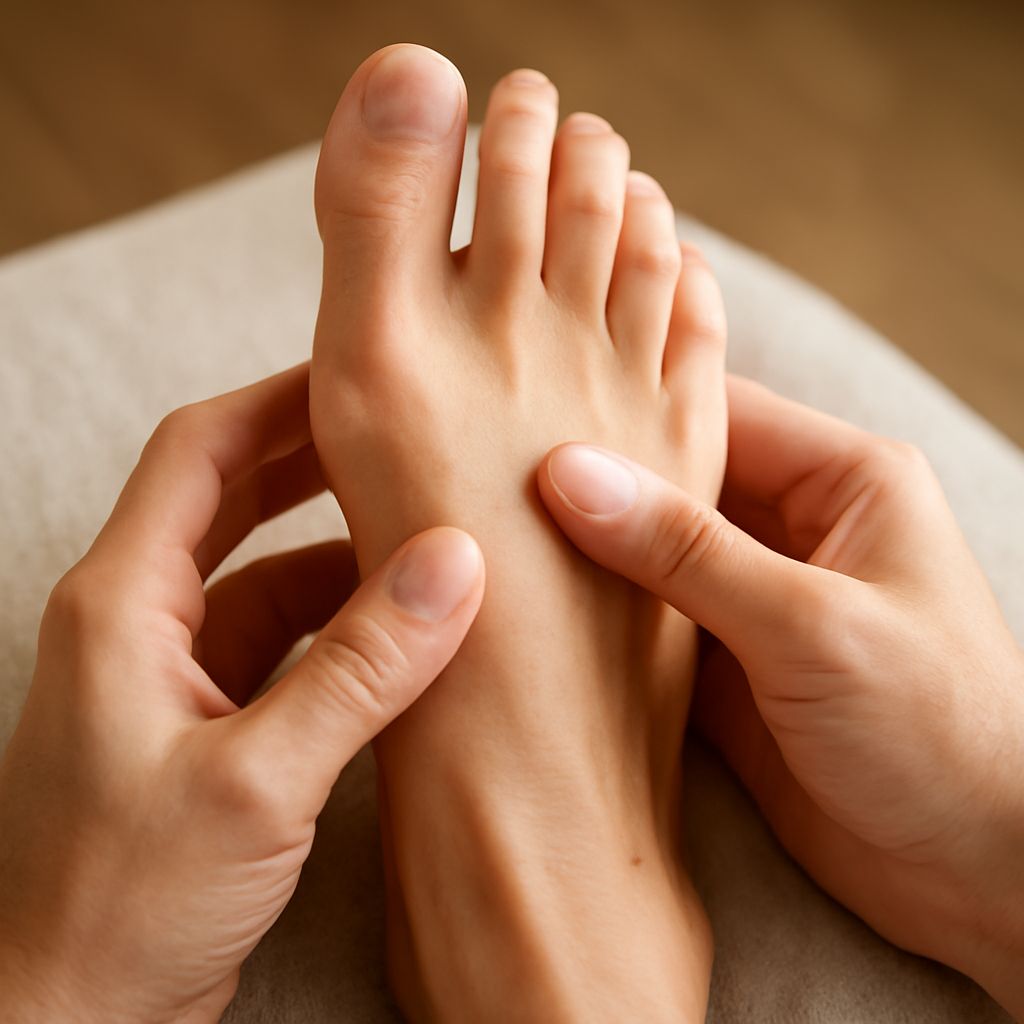
Bunion pain can make each step uncomfortable, affecting daily routines from morning walks to evening relaxation. Timely recognition of what causes bunions, as well as understanding bunion symptoms, enables individuals to seek effective bunion treatment—helping restore foot health and improving overall comfort.
By exploring the origins of bunion pain, recognizing its symptoms early, and finding the most appropriate treatment options, those affected can take practical steps toward relief and lasting improvement in foot function.
What Causes Bunions? Understanding the Root of Bunion Pain
The development of bunions, or hallux valgus, typically stems from a combination of structural, genetic, and lifestyle factors. At its most basic, a bunion forms when the metatarsal bone at the base of the big toe gradually shifts outwards while the big toe pushes towards the other toes. This misalignment creates a pronounced bump and leads to both joint and soft tissue irritation.
One of the primary contributors to what causes bunions is inherited structural instability in the foot. Families often share foot shapes or arch types that predispose individuals to this condition over years of regular use. While genetics lay the groundwork, external factors such as wearing narrow, high-heeled, or pointed footwear can hasten the progression of deformity by consistently forcing toes into unnatural positions.
Biomechanical issues are also involved. Flat feet, overpronation, and lax ligaments place excess stress on the big toe joint. Activities that subject feet to repetitive pressure—such as ballet dancing, long-distance running, or jobs requiring hours of standing—further contribute to bunion pain over time. Additionally, inflammatory conditions like rheumatoid arthritis can accelerate joint changes, increasing both the likelihood and severity of bunions.
Understanding these multifactorial origins helps individuals make practical adjustments, such as selecting roomier shoes and monitoring foot shape for early signs of misalignment. With this knowledge, those experiencing bunion discomfort can more confidently discuss prevention and intervention strategies with their healthcare provider.
Recognizing Bunion Symptoms: What to Look For
Bunion symptoms commonly begin subtly, often mistaken for minor foot irritation. The hallmark sign is a visible bump at the base of the big toe, positioned on the side of the foot. Initially, this protrusion might not cause significant pain, but over time, bunion pain often emerges when walking, standing, or wearing snug footwear.
Other symptoms may develop gradually. The skin overlying the bunion frequently becomes red, swollen, or tender to the touch. Some individuals notice calluses or thickened skin where the first and second toes rub together. Joint stiffness can make it difficult to move the big toe, while persistent discomfort may alter natural gait patterns, sometimes leading to pain in the ball of the foot or the smaller toes.
It’s important to monitor for symptom progression. If sharp, shooting discomfort or persistent inflammation occurs, these may signal underlying joint damage or the development of bursitis. Tingling or numbness along the inside of the big toe can also arise as surrounding nerves become compressed. Early recognition of these bunion symptoms allows for prompt intervention and may help slow or halt the worsening of deformity.
Individuals can check for changes by comparing foot shape to prior photos or tracing outlines annually. Noting specific triggers—such as increased discomfort after wearing certain shoes or following periods of extended activity—can aid in identifying contributing factors. These observations arm patients and medical professionals with details needed to tailor bunion treatment plans effectively.
Bunion Treatment: How to Relieve Bunion Pain and Improve Comfort
Effective bunion treatment aims to relieve existing bunion pain, slow deformity progression, and restore daily function. Initial steps often focus on practical, non-surgical measures. Wearing shoes with a wide toe box, soft uppers, and minimal heel elevation immediately reduces pressure over the bunion and can make everyday walking more comfortable. Custom orthotic devices or cushioned pads placed in the shoe help redistribute weight across the foot, which lessens joint irritation during movement.
For mild to moderate symptoms, targeted exercises enhance joint flexibility and strengthen supporting muscles. Toe stretches, resistance movements using bands, and gentle range-of-motion drills can help maintain mobility in the big toe joint. Applying ice packs for 10–15 minutes after activity, as well as using over-the-counter anti-inflammatory medications, provides temporary relief from swelling and pain. Consistent use of spacers or toe separators at night may also slow the inward drift of the big toe.
When conservative bunion treatment does not provide sufficient relief, or if the deformity continues to worsen and interfere with daily function, a surgical approach may be considered. Surgeons select a specific procedure based on the degree of misalignment, patient activity level, and overall health. Surgery typically involves realigning the bones, correcting soft tissue imbalances, and removing the prominent bump. Recovery often includes a period of limited weight-bearing and physical therapy, with gradual return to normal footwear over 6–12 weeks, depending on the procedure’s complexity.
While not all bunions require surgery, regular follow-up with a foot specialist ensures progression is carefully monitored. Practical adjustments—such as rotating through multiple pairs of supportive shoes, taking periodic breaks during long standing periods, and maintaining a healthy weight—can further reduce bunion pain and improve quality of life. By proactively addressing symptoms and causes, individuals can preserve long-term foot health and maintain an active lifestyle.