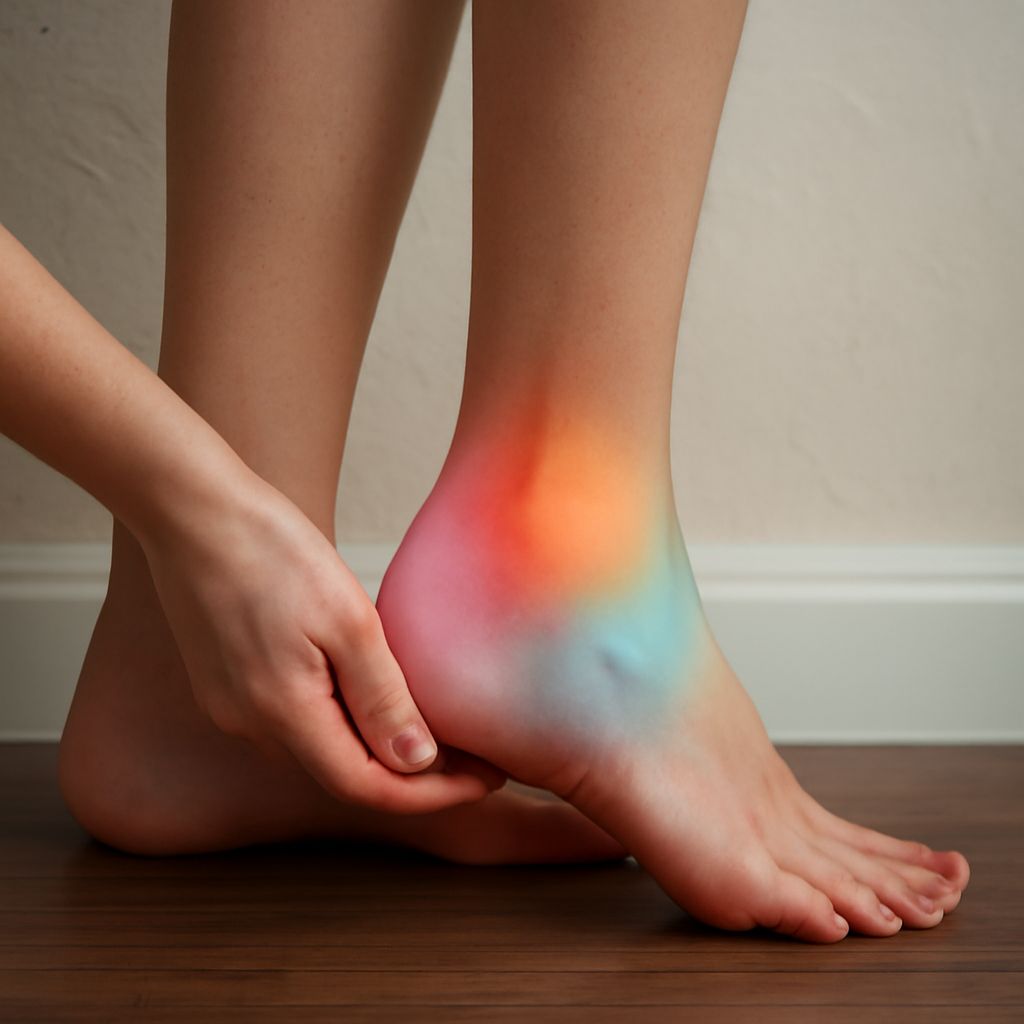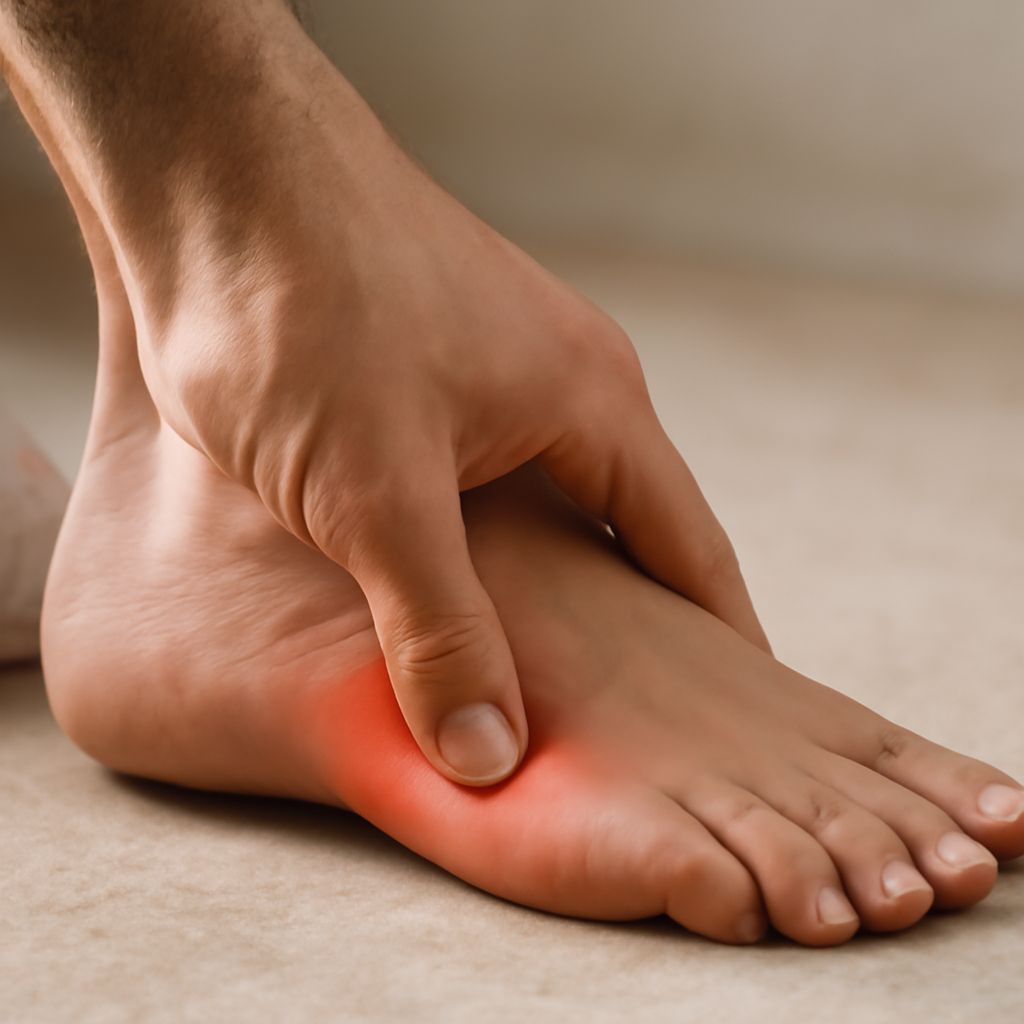
A sore foot can change the way a person walks, exercises, and settles down to sleep. Foot pain from tendonitis often develops around a structure that helps move or support the foot, and its location can provide a clue about which movement is irritating it.
Tendonitis in a foot is one possible explanation for pain, swelling, or stiffness, but the same symptoms can come from a joint, ligament, nerve, or bone. The pattern can help a clinician assess the cause.
Foot Tendonitis: What Happens to a Tendon?
A tendon is a strong band of tissue connecting muscle to bone. When a muscle contracts, the tendon transfers that pull to produce movement. Tendons also help stabilize the foot as it accepts weight and pushes off the ground.
Foot tendonitis describes irritation of one of these tendons, sometimes with inflammation. Clinicians may use the broader term tendinopathy for a painful tendon problem, especially when symptoms have lasted longer and changes in the tissue are involved. A sudden increase in walking, running, hills, or time on the feet can place more demand on a tendon than it is prepared to handle. A change in footwear or a direct injury can also contribute.
With tendonitis, foot movement may hurt most when the affected tendon is working. Tenderness along its course, mild swelling, and stiffness after rest are common clues. Pain can ease after a few steps and return with prolonged activity, although individual patterns vary. The NHS describes pain with movement, swelling, and stiffness among the common symptoms of tendon problems.
Where the Pain Appears
Different tendons follow different routes. The location and the activity that provokes pain help narrow the possibilities; neither identifies the cause on its own.
Top of the foot. Extensor tendons help lift the foot and toes. Irritation here may cause soreness across the top of the foot, particularly when lifting the toes or walking uphill. Tight laces can press on the area. Swelling or pain focused over a bone also deserves attention because a stress fracture or another injury can cause pain in a similar place.
Inside of the ankle and arch. The posterior tibial tendon passes behind the inner ankle and helps support the arch. Pain or swelling along that route may become noticeable during walking or standing. If the arch appears to be flattening or it becomes difficult to rise onto the toes on the affected side, an evaluation is especially important. Early assessment can help guide support and rehabilitation.
Outside of the ankle and foot. The peroneal tendons travel behind the outer ankle and help stabilize the foot. Soreness there may increase on uneven ground or when turning the foot outward against resistance. An ankle sprain can produce pain in the same area, and the two problems can occur together.
Back of the heel. The Achilles tendon joins the calf muscles to the heel bone. Pain and stiffness may be felt just above the heel or where the tendon attaches to it, often after running or climbing stairs. A sudden pop, severe pain, or difficulty pushing off after an injury calls for urgent assessment because a rupture is possible.
Tendonitis in the foot can also involve tendons that bend the toes, with discomfort extending toward the sole. Pain beneath the heel may instead involve the plantar fascia, a separate band of tissue. A clinician considers tenderness, movement, and history together.
Calming Symptoms Without Losing Momentum
For a recent flare, reduce the activity that clearly increases pain for a few days. That might mean replacing a long run with shorter, comfortable walks or taking breaks from standing. Complete bed rest is usually unnecessary for mild symptoms; gentle ankle and toe movement can help avoid stiffness as pain allows.
With foot tendinitis, foot swelling and discomfort may ease with a cold pack wrapped in a towel. Apply it for up to 20 minutes at a time, allowing the skin to warm between applications. A supportive shoe with enough room over the sore area may make walking easier. Adjusting laces can reduce pressure on the top of the foot; a snug elastic support may help swelling, but it should not cause numbness or restrict circulation. Remove it before bed.
For tendonitis of the foot, a pharmacist or clinician can help determine whether an over-the-counter pain reliever or topical anti-inflammatory is suitable, taking account of other medicines and health conditions. Pain relief can make daily activity easier, but it should not be used as a reason to push through increasing pain.
Building Back Activity
As symptoms settle, gradual loading helps the tendon regain tolerance. Start with an amount of walking that causes little discomfort and does not leave symptoms noticeably worse the next morning. Increase duration or intensity in small steps, allowing time to see how the foot responds. If a longer walk causes a clear flare that persists into the next day, return to the previous manageable level before progressing again.
A physical therapist can tailor strengthening and mobility exercises to the tendon involved and the person’s activities. For example, a plan for an Achilles problem may include progressive calf strengthening, while irritation over the top of the foot may call for a different approach. Tendinitis of the foot can take weeks or longer to settle, and recovery depends on the tendon, severity, and demands placed on it.
Foot tendon pain can also disturb sleep. Keeping bedding loose over a tender area, placing a pillow under the lower leg for comfort, and planning demanding activity earlier in the day may make resting easier. Persistent pain that regularly wakes a person warrants a medical discussion.
When to Get Medical Help
Seek urgent care after an injury if pain is severe, walking is impossible, the foot is visibly deformed, or a snap or pop is followed by weakness. A hot, red, swollen foot with fever or feeling unwell also needs prompt assessment. People with diabetes should contact a clinician about foot pain promptly, particularly if there is a wound, numbness, or a change in skin color.
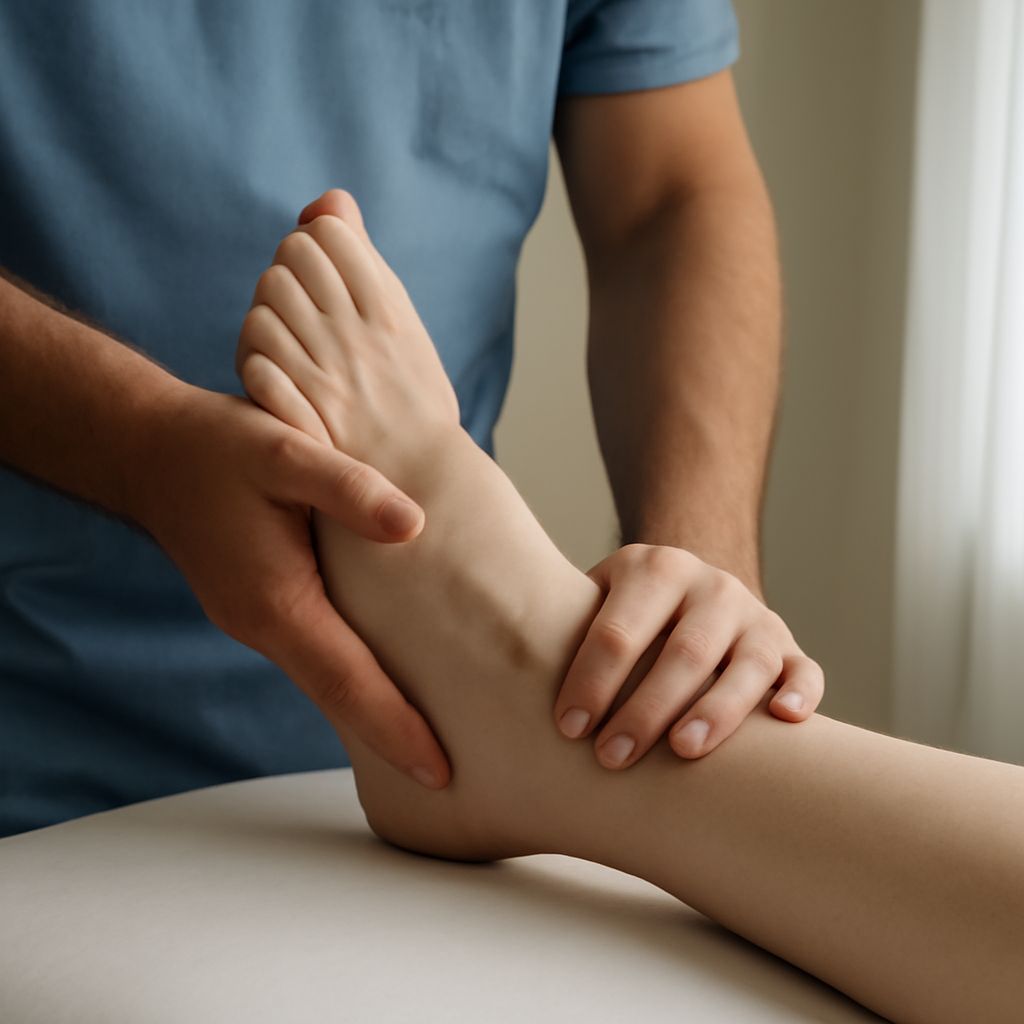
Arrange an appointment if pain is worsening, repeatedly returns, interferes with ordinary activities, or has not improved after about two weeks of home care. Tingling, loss of sensation, weakness, or a changing arch also merits assessment. The clinician may examine walking, strength, and tenderness and order imaging when the history or examination suggests a fracture, tear, or another cause.
Tendonitis in feet can follow a change in workload, but a careful assessment also considers other explanations. Bring a brief account of when symptoms began, what activities make them worse, any recent shoe or training changes, and what has helped. That information gives the clinician a clearer basis for a treatment plan and a safe return to activity.