Persistent pain can severely impact daily life, making even simple tasks challenging and draining. If standard remedies have left you searching for gentle, noninvasive relief, cold laser therapy stands out as a promising alternative. This innovative option harnesses light energy to target discomfort at its source—without medications or surgery.
For those curious about what is cold laser therapy, how it supports pain relief, and what cold laser treatment involves, this guide covers the essentials. By understanding the science, benefits, and what to expect, you’ll be better equipped to decide whether cold laser therapy for pain aligns with your needs.
What Is Cold Laser Therapy and How Does It Work?
Cold laser therapy, also referred to as low-level laser therapy (LLLT), uses focused beams of light at specific wavelengths. Unlike surgical lasers, these devices do not produce heat that damages tissue. Instead, they emit gentle, low-intensity light directly onto the skin above the affected area. The term “cold” highlights the absence of thermal effects—patients typically feel little more than slight warmth or tingling during a session.
The process relies on the ability of laser photons to penetrate several millimeters beneath the skin’s surface. Once absorbed by the cells, this light energy triggers a series of cellular responses, including improved circulation and increased cellular metabolism. The targeted application of cold laser therapy enhances the body’s natural repair mechanisms, which is why it’s frequently chosen for musculoskeletal pain, inflammation, and even wound healing.
Most people seek out cold laser therapy for pain related to conditions such as arthritis, tendonitis, back injuries, or overuse syndromes. Since the procedure is noninvasive, sessions are typically brief and require no downtime, allowing patients to resume daily activities immediately afterward.
The Science Behind Cold Laser Treatment
Understanding the underlying science can help clarify why cold laser treatment is increasingly popular among clinicians and patients alike. When focused laser light hits the target area, it interacts with the mitochondria—the “powerhouse” of the cell. This interaction stimulates the production of adenosine triphosphate (ATP), a key molecule responsible for cellular energy.
As ATP production increases, cells become more efficient at repairing themselves and reducing inflammation. This process, known as photobiomodulation, helps alleviate discomfort and promotes healing. Beyond boosting energy, cold laser treatment can also enhance lymphatic flow, decrease swelling, and even encourage the release of endorphins—the body’s natural painkillers.
Clinical studies have examined how cold laser therapy for pain influences both acute and chronic symptoms. While it doesn’t replace the need for medical management in severe cases, cold laser sessions are now recommended as a complementary approach in physical therapy clinics, sports medicine facilities, and chiropractic offices. With each session, the cumulative effects are thought to promote longer-lasting relief, especially for those with recurring or stubborn pain patterns.
Benefits of Cold Laser Therapy for Pain
One of the standout advantages of cold laser therapy is its noninvasive nature. Patients do not need to worry about incisions, scarring, or prolonged recovery times. Instead, the treatment is performed on intact skin and is generally well tolerated, even for those sensitive to other therapies.
Some of the most commonly reported benefits include significant reductions in localized pain and inflammation. Cold laser therapy for pain is especially valued for conditions like joint sprains, muscle strains, and repetitive stress injuries. By helping tissues heal from within, it often shortens the timeline for recovery after acute injuries. Partial laser applications can reach deep structures, meaning that tendons, ligaments, and even superficial nerves can benefit from improved microcirculation and reduced congestion.
For many individuals who have tried medications or injections without sustained success, cold laser treatment offers an alternative that avoids systemic side effects. The sessions require no anesthesia, and typical treatment times range from five to twenty minutes, depending on the size and depth of the target area. Over a series of appointments, most people notice an incremental decrease in tenderness, swelling, and stiffness, making daily activities more manageable.
What to Expect During a Cold Laser Session
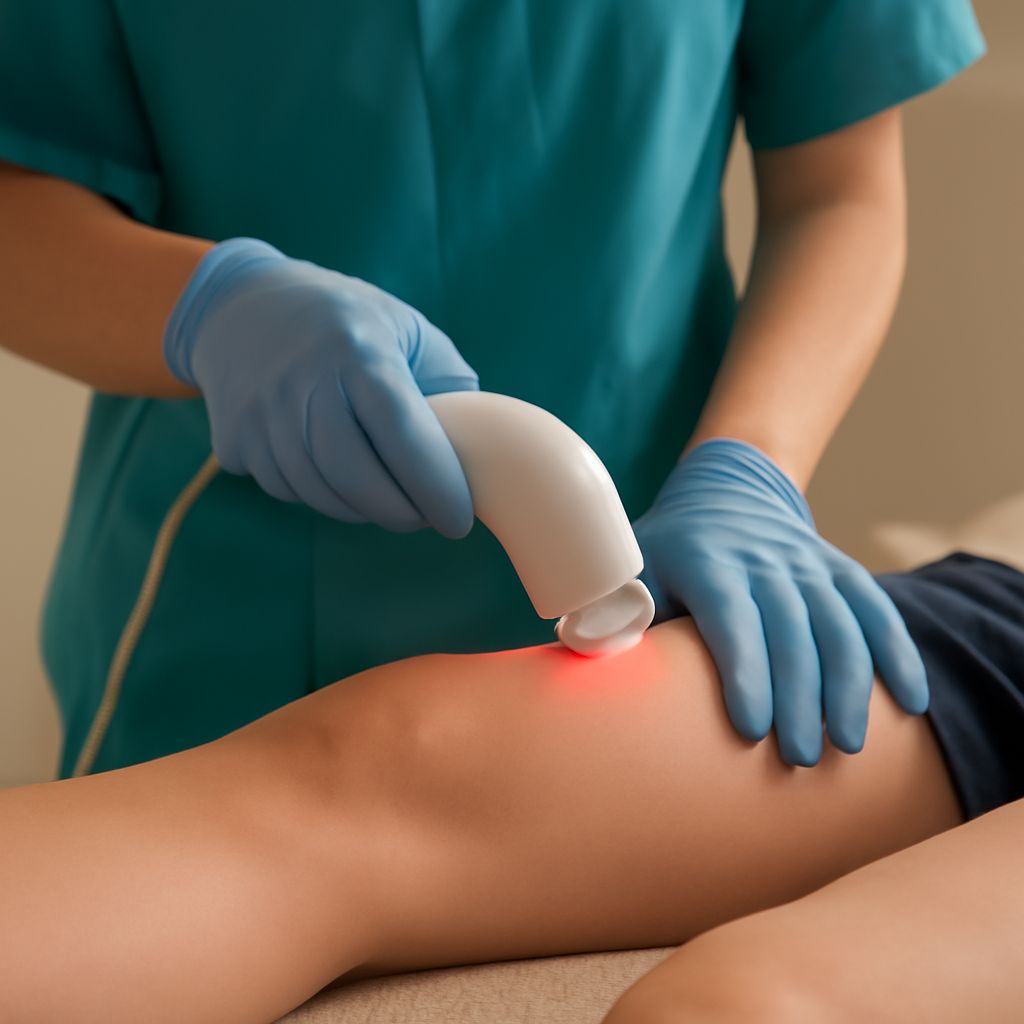
Arriving for a cold laser therapy appointment is refreshingly straightforward. After the clinician reviews your medical history and pinpoints the pain site, a handheld device is positioned directly over the skin. Protective eyewear is provided for both patient and practitioner, since even low-level lasers can be hazardous to the eyes.
During the cold laser treatment, there is minimal, if any, sensation—perhaps a gentle warmth or tingling as the laser works. Most sessions last from five to twenty minutes, based on the size and depth of the affected area. The practitioner may move the device in circular motions or hold it steady, targeting precise trigger points or inflamed tissues. No gels or topical anesthetics are needed, and there’s no downtime afterward.
It’s common to require a series of treatments, often spaced two to three times per week, to achieve maximum pain relief. As the cumulative effect builds, patients typically report progressive improvement. Importantly, practitioners monitor tissue response and adjust session parameters accordingly, ensuring safe and optimal outcomes.
Is Cold Laser Therapy Right for You?
While cold laser therapy for pain is safe and well tolerated for most, it may not be suitable for everyone. Contraindications include pregnancy (over the abdomen), malignancy in the treatment area, and certain photosensitivity disorders. It’s crucial to inform your provider about existing health issues before starting therapy. Those with pacemakers or metal implants in the treatment zone may require additional screening.
Consulting with a qualified healthcare professional can help determine if cold laser treatment aligns with your needs and expectations. The therapy works well as an adjunct alongside physical therapy, manual treatments, or medications, particularly for those who wish to reduce drug dependence or avoid invasive procedures.
Ultimately, decision-making should balance potential benefits with individual risk factors and preferences. For many, the attractive combination of minimal discomfort, no downtime, and measurable pain reduction makes cold laser a compelling choice within a comprehensive pain management strategy.
Safety recap: Cold laser therapy is a gentle, proven tool for managing pain when applied by trained professionals. Always follow safety precautions—especially eye protection—and consult your provider to ensure optimal and secure outcomes.