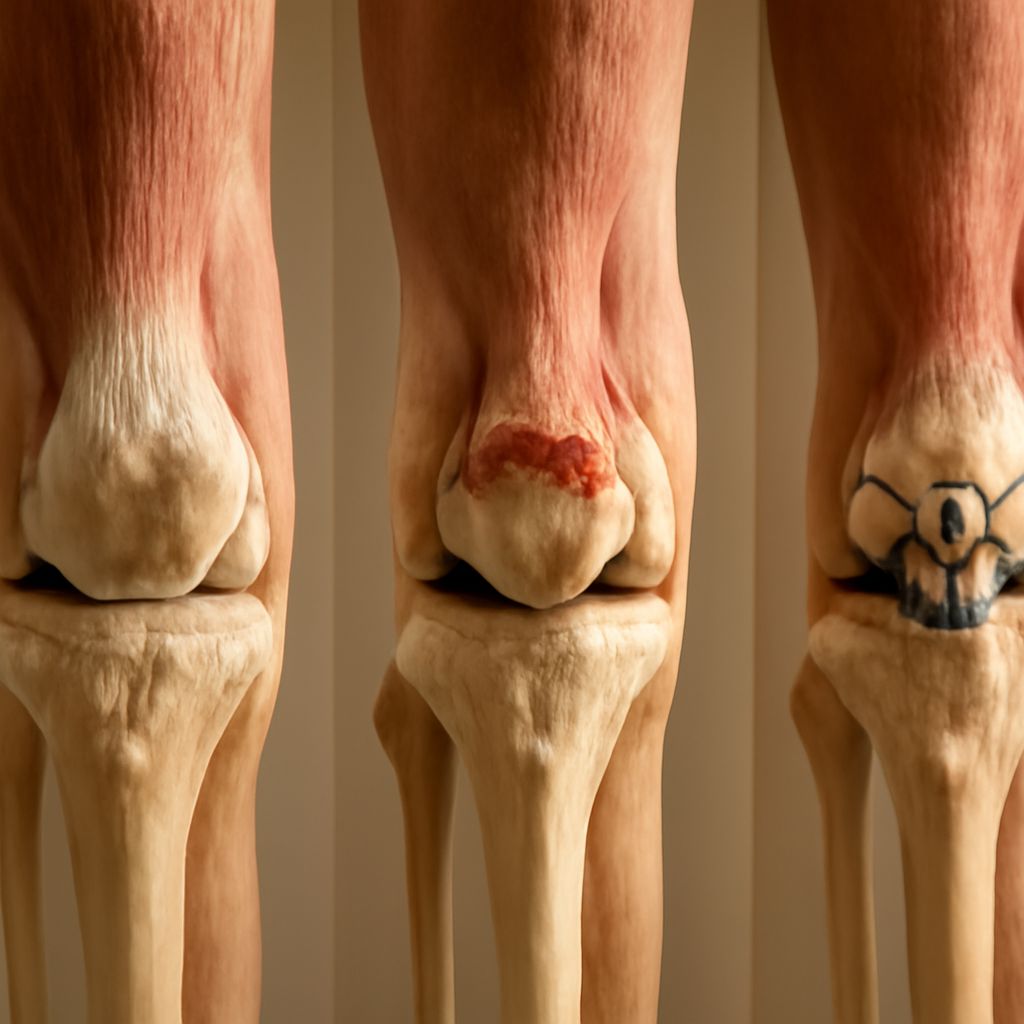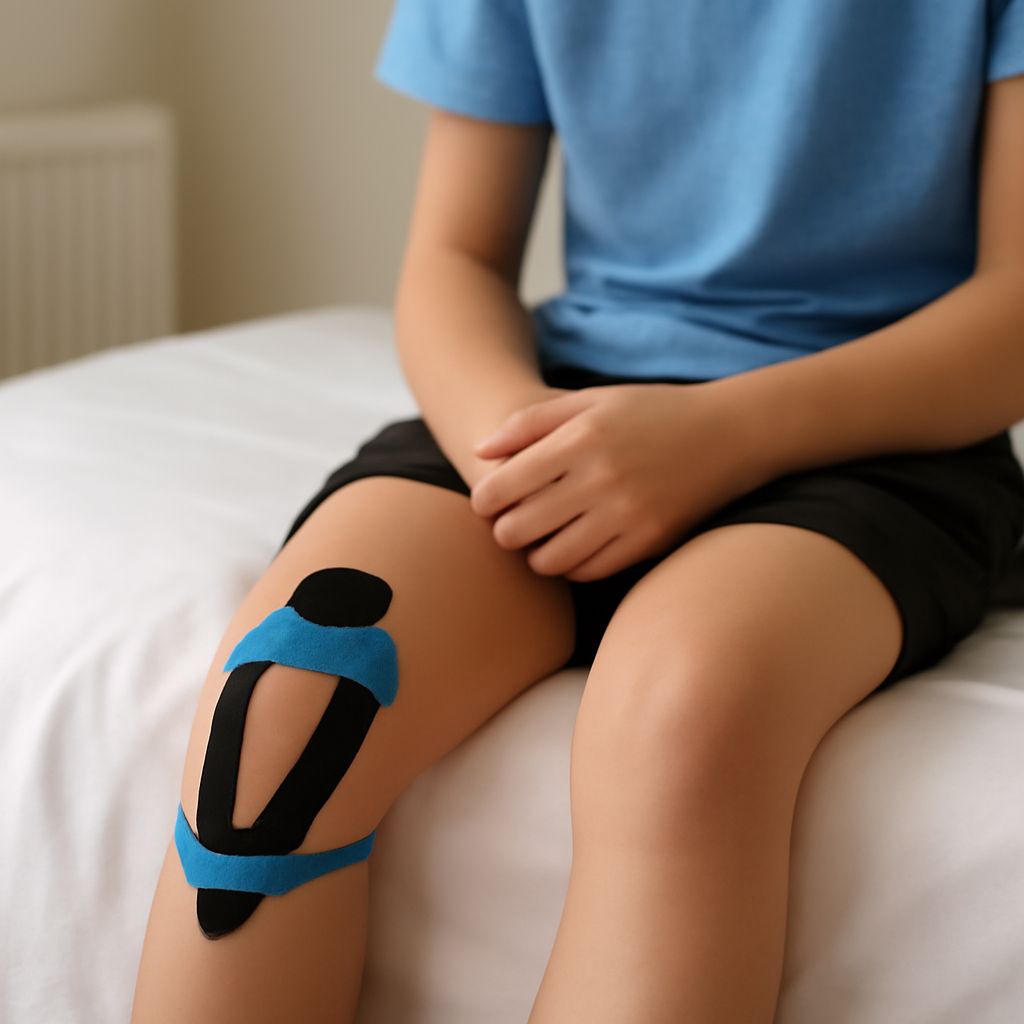
Elastic kinesiology tape is sometimes used around the knee during activity or rehabilitation. It is a flexible adhesive strip, and people may use it in the hope of easing discomfort or becoming more aware of movement. Results vary, and the tape does not establish why a knee hurts or replace an assessment when one is needed.
A clinician or physical therapist can help decide whether taping a knee has a useful role alongside exercise or other care. The intended goal, skin condition, and type of activity all matter. A strip of adhesive does not provide the same mechanical support as a brace designed to limit movement.
Why Use Kinesiology Tape Around the Knee?
Kinesiology tape is designed to stretch with the skin. Unlike rigid athletic tape, it generally allows a broad range of movement. It is sold in rolls or precut strips, and its adhesive is intended to stay attached during ordinary movement. Brands differ in materials and instructions, so the label is a useful starting point for checking ingredients and wear guidance.
Knee movement remains possible with kinesiology tape because the material is elastic. Some people describe a sensation of support or a reminder to pay attention to movement. A therapist may suggest trying it as one small part of a broader plan, particularly when the person has a clear activity or symptom to monitor.
Neither the color nor the pattern of a strip identifies the cause of pain. A comfortable experience with tape around the joint also does not prove that an underlying injury has healed. Improvement can reflect several factors, including changes in activity, exercise, time, and expectations.
What Does the Evidence Say?
Studies of elastic taping for knee symptoms have examined different conditions, techniques, and outcomes. Some report short-term improvements in pain or function, while others find little difference compared with other approaches or comparison taping. The differences between studies make it difficult to predict what a particular person will notice.
Pain relief from kinesiology tape should therefore be treated as a possible short-term response rather than a guaranteed effect. Evidence does not establish that a strip repairs a ligament, changes the shape of the joint, or cures arthritis. A person’s condition and the rest of the treatment plan matter more than the product label.
A practical discussion can focus on a specific goal. If someone finds stairs uncomfortable, for example, a therapist might ask whether ordinary stair use feels different with the tape and whether any change lasts after it is removed. That observation can inform a conversation about its usefulness; it cannot diagnose the source of the pain.
How Tape Differs From a Brace
A brace may be designed to guide or restrict particular movements, support an unstable joint, or protect an injury during recovery. Designs range from soft sleeves to hinged devices, and the right choice depends on the reason for use. A clinician may recommend a particular brace after an examination or procedure.
Kinesiology tape provides flexible support around the knee and should not be assumed to provide the restraint of a stabilizing brace. A person advised to use a brace should discuss any proposed substitute with the prescribing clinician. Tape applied near the kneecap may feel supportive without preventing movement that an injury-specific brace is intended to limit.
Neither product makes it appropriate to ignore a swollen, unstable, or painful knee. A clinician can assess whether the joint needs examination and whether exercise, a brace, or another approach is suitable.
Skin and Other Limits
Tape for the knee sits directly against the skin, so irritation is an important reason to stop using it. Redness, itching, a rash, blistering, or increasing pain can signal a reaction to the adhesive or tension on the skin. Remove the tape gently and seek medical advice if symptoms are significant or do not settle.
Avoid applying adhesive to open wounds, infected or damaged skin, or areas where it is difficult to feel irritation. People with known adhesive allergies, fragile skin, circulatory concerns, or reduced sensation should ask a clinician whether taping is appropriate. Do not wrap a strip tightly around the leg: increasing swelling, numbness, color change, or a cold foot calls for prompt removal and medical attention.
Product instructions may advise testing a small area or describe a maximum wear time. They are not a substitute for individualized advice when there are skin or circulation concerns. If removal pulls or damages the skin, stop and ask a clinician or pharmacist for guidance.
Applying and Removing It Thoughtfully
A physical therapist can explain whether a particular application serves the intended goal and show how to avoid unnecessary tension. The placement, amount of stretch, and wear time can differ with the person and product; there is no single pattern suitable for every knee complaint. Skin should be clean and dry, and the product’s instructions should be followed.
Comfort during and after applying kinesiology tape matters. Pulling, tingling, or a feeling that the strip is too tight is a reason to remove it rather than wait. Removing tape slowly while supporting the skin can reduce pulling; product guidance may suggest a suitable removal method.
Knee kinesio tape can be one part of a rehabilitation discussion, but it should not be used to push through increasing pain. A clinician can help assess persistent symptoms and adapt activity. Seek urgent medical care for a major injury, a visibly deformed joint, inability to bear weight after an injury, or a hot, swollen knee with fever.
Questions for a Clinician
Before using kinesiology tape around a knee, it helps to ask what the intended goal is, how to tell whether it is helping, and how long a trial should last. Other useful questions are whether skin or circulation makes it unsuitable, whether a brace or exercise plan is more appropriate, and which symptoms mean the tape should be removed and the knee reassessed.