Helping a child develop healthy sleep habits is one of the most rewarding investments a parent can make—for their child’s well-being and the whole family’s rest. Knowing when to start sleep training and how to sleep train baby comfortably can set up smoother nights, foster independence, and support healthy growth during those vital early months.
Both timing and technique matter, but every baby is unique. This guide blends expert-backed strategies and practical tips so parents can approach sleep training with confidence, leading to better sleep for kids and fewer disruptions for everyone.
Understanding When to Start Sleep Training
Determining the right moment to begin helping a baby learn independent sleep skills involves consideration of age, developmental cues, and family dynamics. Most pediatricians and sleep specialists suggest that parents wait until a baby is at least four months old before starting any structured sleep training method. Before this point, newborns typically need nighttime feedings and are not developmentally ready for consistent self-soothing.
Recognizing when to start sleep training involves observing clear patterns in a child’s daily routine. Reliable daytime naps, the ability to go at least five or six hours between overnight feedings, and a predictable bedtime are signs that a baby may be ready. On the other hand, if a baby is still waking frequently for nutrition or is experiencing a growth spurt or illness, it is best to hold off until these needs resolve. Sometimes even after four months, parents notice that their child is not developmentally prepared, requiring them to wait a few more weeks while maintaining consistent but gentle sleep routines.
It’s also essential to consider family readiness when asking when to start sleep training. A successful transition depends on consistency from caregivers and a home environment conducive to sleep. Before making changes, parents should ensure that everyone involved understands the chosen approach and can provide support. This coordination helps avoid confusion for the baby and ensures a unified response to nighttime waking.
Ultimately, the decision rests on a blend of practical checks and instinctual observations. Noticing that a baby has settled into feeding and sleeping rhythms, is gaining weight well, and appears healthy allows parents to move forward with confidence. Consulting with a pediatrician can provide reassurance, confirm that sleep training is developmentally appropriate, and help tailor methods to a baby’s specific needs.
How to Sleep Train Baby: Step-by-Step Advice
There are several fundamental approaches to instructing a child in self-soothing and falling asleep independently. When deciding how to sleep train baby, parents should choose a technique that aligns with their values, their baby’s temperament, and their family schedule. Some of the most commonly used methods include graduated extinction (often called “Ferber”), the chair method, and gentle “no tears” routines. Each requires preparation, consistency, and patience.
Preparation for sleep training is key. Parents should establish a calming bedtime routine involving tactile cues such as a warm bath, gentle rocking, singing, and dim lighting. A consistent routine cues the child’s brain to wind down and signals sleep time. Keeping the sleep environment quiet, dark, and cool—typically 68–72°F (20–22°C)—can help reinforce this association. Using a firm, flat mattress with a well-fitting sheet and no loose items in the crib is critical for safety, as recommended by pediatric sleep experts.
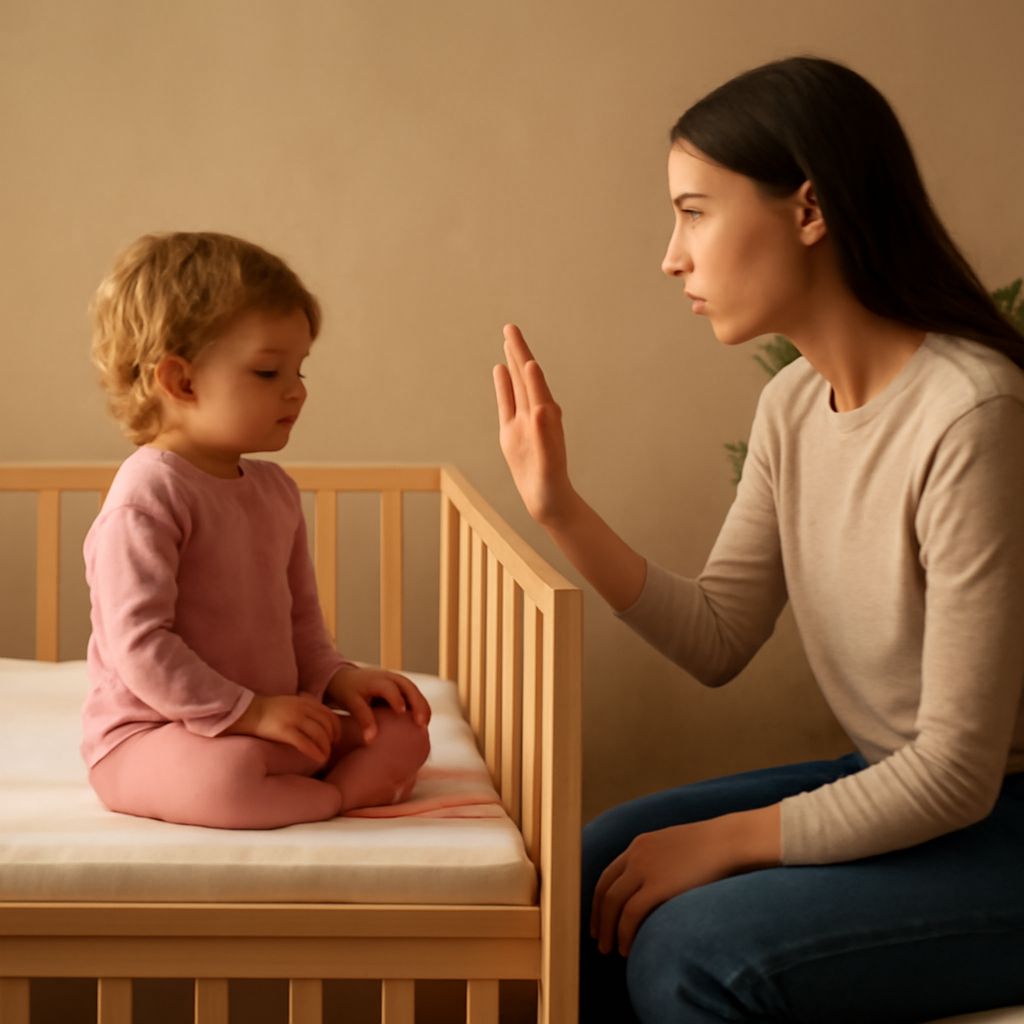
When actively beginning to sleep train, start with the most gentle interventions, such as allowing the baby to fuss for a few moments before responding. Gradually increase the response time in small increments, typically by two to five minutes per night, as the baby learns to settle independently. For example, with the graduated extinction method, a parent might enter the room to offer brief comfort—no longer than one or two minutes—then allow the child to self-soothe for a set period before repeating. Some families may prefer the chair method, where a parent sits next to the crib and gradually moves farther away each night, providing quiet reassurance without picking up the child.
How to sleep train baby may also involve responding to night wakings in a measured way. Rather than immediately offering a feeding or picking up the child, parents can try gentle patting, shushing, or offering a pacifier. Keeping responses subdued and brief helps maintain the distinction between day and night. Measuring progress by tracking how long it takes the child to fall asleep independently (often 10–30 minutes initially, decreasing over several nights) and monitoring the frequency of night wakings is helpful to gauge effectiveness. Most children show improvement within one to two weeks of consistent practice, though minor regressions are common during teething or illness.
Patience and flexibility are vital. If a chosen approach seems too distressing for the child or unsustainable for the family, it is okay to pause and adjust the method. Sometimes pairing a primary technique with gentle comforting measures makes the transition smoother. Monitoring daytime behavior is just as important: a well-rested baby is generally content and alert during wake periods. If irritability or excessive fatigue persists, reassess the approach or consult with a healthcare provider.
Key takeaways: Sleep training works best when timed to a child’s developmental readiness and supported with consistent, caring routines. Parents who assess feeding patterns, sleep environment, and family preparedness are more likely to help their child sleep independently within a couple of weeks. Flexibility, patience, and regular communication with health professionals ensure a safe and positive sleep journey.