Snoring can disrupt sleep quality and may even indicate a more serious health issue. Is snoring sleep apnea, or is it a separate condition? Understanding the relationship between snoring and sleep apnea can help identify potential health risks and lead to timely interventions.
For individuals wondering why they might be snoring excessively at night, exploring the underlying reasons for snoring is crucial. Let’s delve into the connection between snoring and sleep apnea to determine what your nighttime noises might mean for your health.
Does Snoring Mean Sleep Apnea?
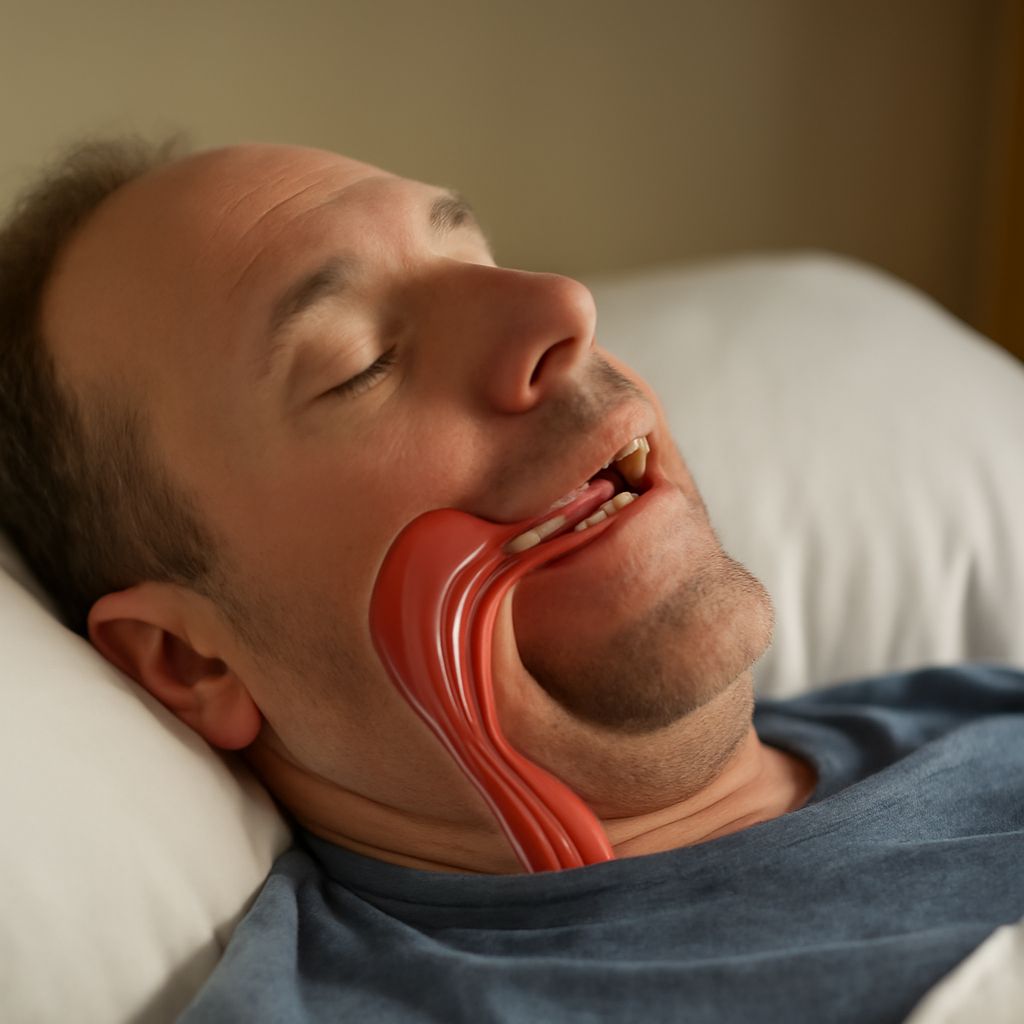
Snoring and sleep apnea are often linked, yet they represent different phenomena. Snoring occurs when airflow vibrates tissues in the throat, while sleep apnea is a disorder where breathing repeatedly stops and starts during sleep. Though not all snorers have sleep apnea, persistent loud snoring can be a warning sign.
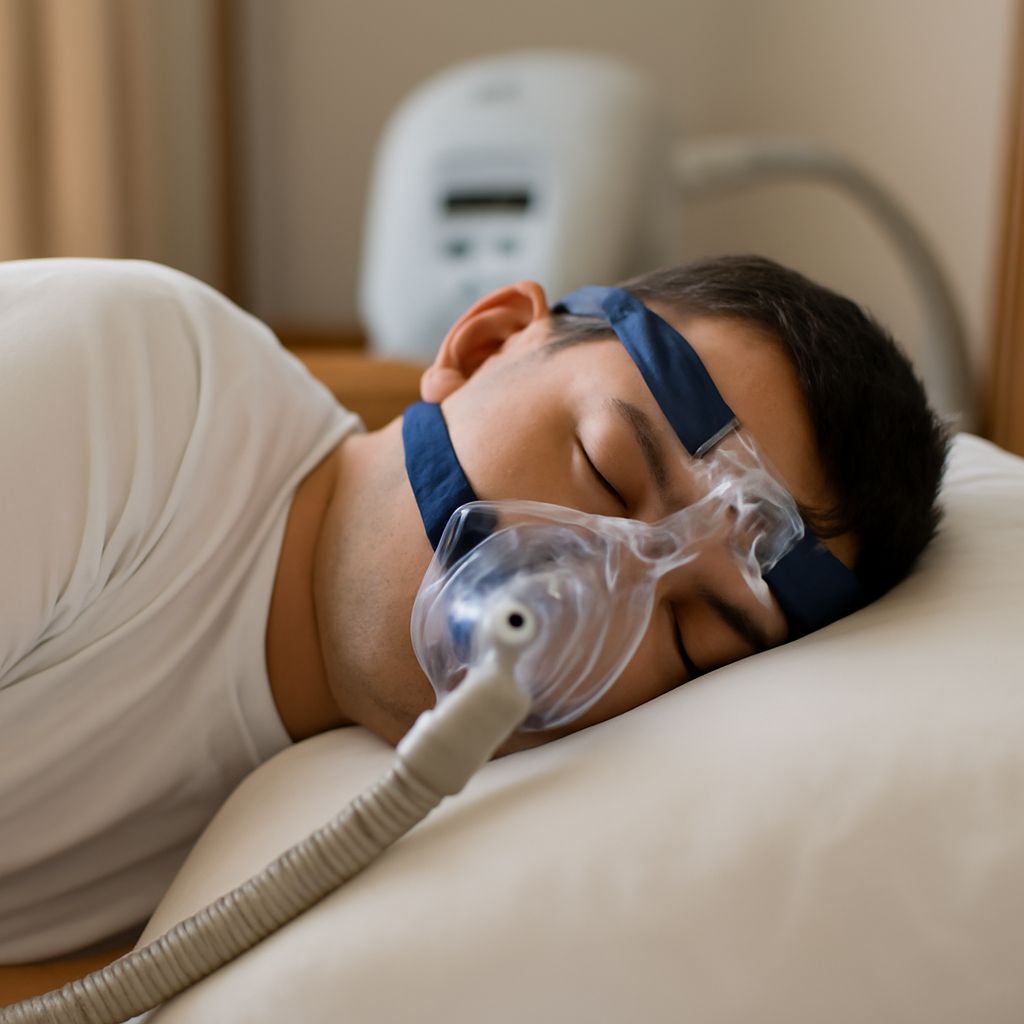
Obstructive sleep apnea (OSA), the most common form, is frequently associated with snoring. However, various factors determine whether snoring is simply a nuisance or indicative of sleep apnea. Consulting a healthcare professional is essential for accurate diagnosis.
Common Reasons for Snoring
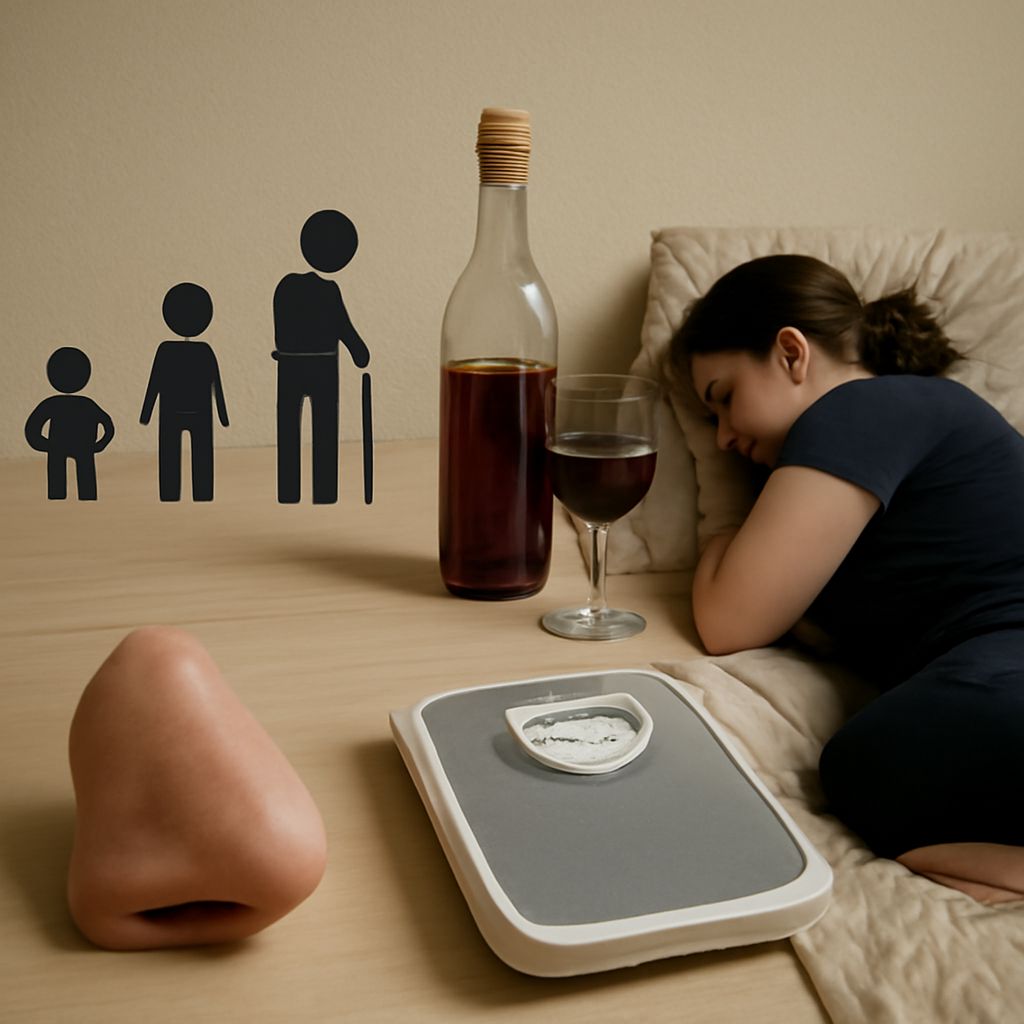
Various factors contribute to snoring, and understanding these can help in addressing the issue. Weight gain can increase tissue around the neck, leading to obstruction. Alcohol consumption relaxes throat muscles, exacerbating snoring. Furthermore, nasal congestion from allergies or colds may worsen the condition.
Other anatomical factors, such as a deviated septum or elongated uvula, can also play a role. Identifying personal triggers is a necessary step towards reducing snoring frequency and intensity.
Is Your Snoring a Sign of Sleep Apnea?
Determining if snoring is a sign of sleep apnea involves observing other symptoms. Frequent awakenings, gasping for air during sleep, and excessive daytime sleepiness are key indicators. Sleep apnea may also cause morning headaches or difficulty concentrating during the day.
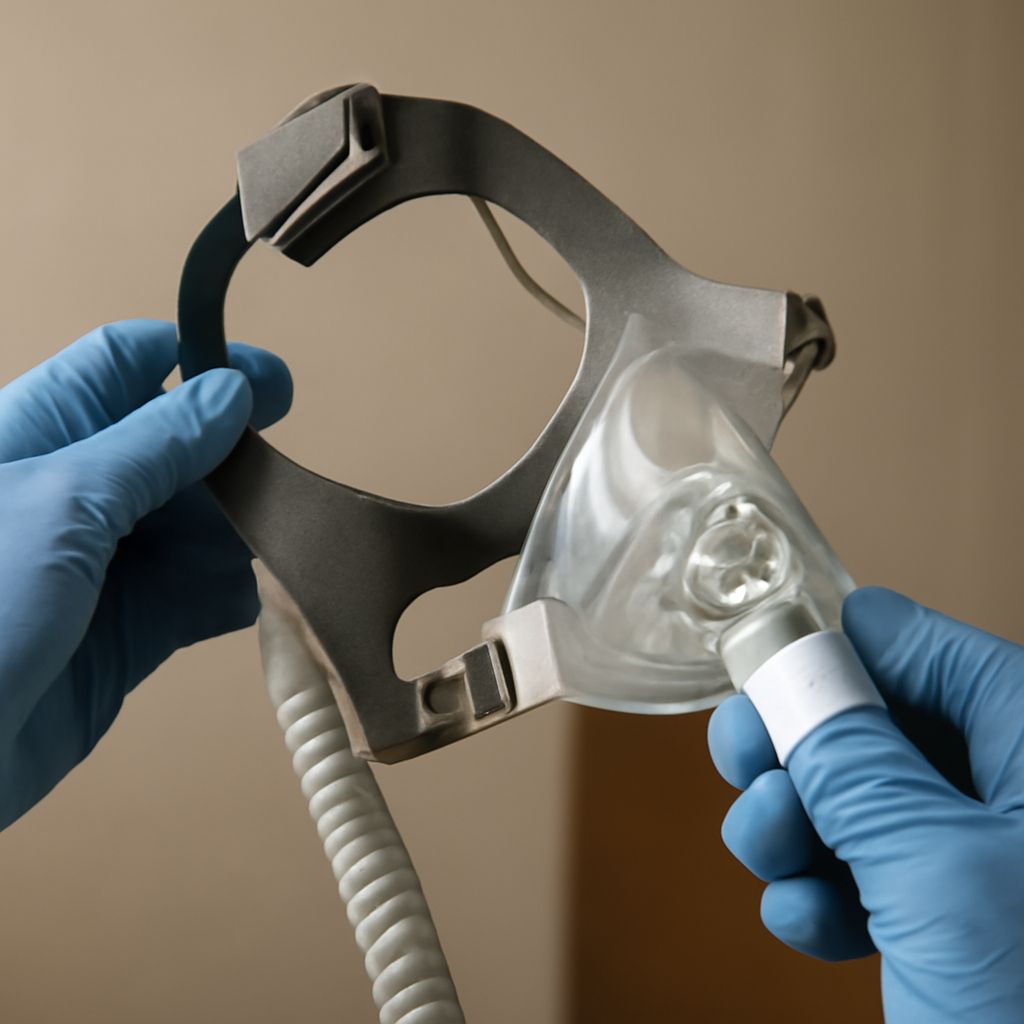
If these symptoms accompany snoring, seeking medical advice is advisable. A sleep study often provides a definitive diagnosis, offering insights into breathing patterns and oxygen levels during sleep.
Why Am I Snoring? Identifying the Causes
Personal lifestyle and physiological factors often answer the question: “Why am I snoring?” Adjustments such as changing sleep position may reduce snoring. Sleeping on one’s back often increases the likelihood of snoring due to tongue and soft palate collapse.
Environmental factors, such as room humidity levels, might also contribute. Using humidifiers can alleviate dryness, potentially decreasing snoring. Analyzing these elements can lead to effective snoring management strategies.
Next steps: For those concerned about sleep apnea, a consultation with a sleep specialist is a proactive measure. Regular monitoring of symptoms and lifestyle adjustments can significantly improve sleep quality. Consider seeking a professional evaluation if excessive snoring persists, ensuring timely interventions and optimal health outcomes.