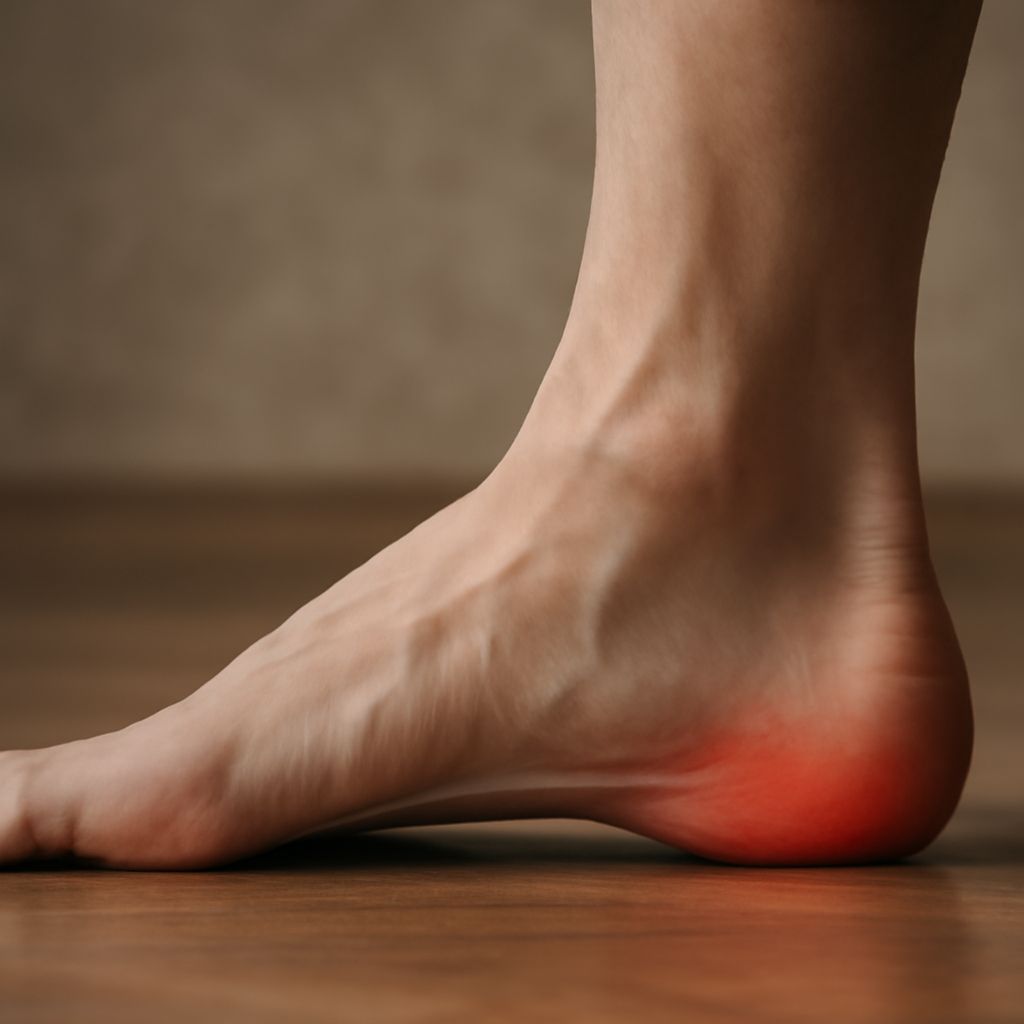
Heel spur pain can significantly impact daily activities, making it vital to explore effective heel spur treatment. By understanding the symptoms and causes of this common foot condition, individuals can take proactive steps to manage discomfort and improve overall foot health. This article delves into the nature of heel spurs, their origins, and practical solutions to alleviate the pain they cause.
What is a Heel Spur?
A heel spur is a bony growth that develops on the underside of the heel bone. Often associated with plantar fasciitis, these spurs form where the plantar fascia ligament connects to the heel bone. Although not always painful themselves, heel spurs can contribute to discomfort, especially when combined with inflammation of the surrounding tissues.
Recognizing Heel Spur Symptoms
Identifying heel spur symptoms early can aid in seeking timely treatment. Common indicators include a sharp pain in the heel, particularly during the first steps in the morning. This pain may subside as the day progresses but often returns after prolonged periods of rest. Swelling, warmth, and visible signs of a small protrusion can also accompany these symptoms.
Causes of Heel Spur Pain
Heel spur pain is often the result of excessive strain on the foot muscles and ligaments. Contributing factors include repetitive stress from activities like running or jumping, improper footwear, and obesity. Over time, this stress can lead to micro-tears in the plantar fascia, prompting the body to deposit calcium in response, which eventually forms a heel spur.
Exploring Heel Spur Treatment Options
Non-Surgical Treatments
Non-surgical heel spur treatment methods can effectively manage symptoms for many individuals. These options include rest, ice applications, and over-the-counter pain relievers. Orthotic devices, such as heel pads or custom insoles, can offer additional support and reduce strain. Physical therapy exercises also play a crucial role in stretching and strengthening the foot muscles, potentially alleviating pain.
When Surgery is Needed
In cases where conservative treatments fail to relieve heel spur pain, surgical intervention may be considered. Surgery typically involves removing the spur and releasing the plantar fascia to reduce tension. Recovery times vary, but most patients can expect a return to normal activities within a few weeks, though complete healing may take several months.
Preventing Heel Spurs
Preventing heel spurs involves maintaining good foot health and addressing risk factors. Wearing supportive shoes, especially during physical activities, can minimize stress on the feet. Regular stretching exercises for the calves and feet can improve flexibility and reduce the likelihood of injury. Maintaining a healthy weight is also critical, as excess body weight increases pressure on the heel.