Experiencing sternum pain can be unsettling, and understanding its root cause is crucial for effective management. Costochondritis, a common cause of chest wall pain, often presents with discomfort that might mimic more serious conditions. This article delves into costochondritis symptoms and chest wall pain relief, providing insights into how to recognize and manage this condition effectively.
What is Costochondritis?
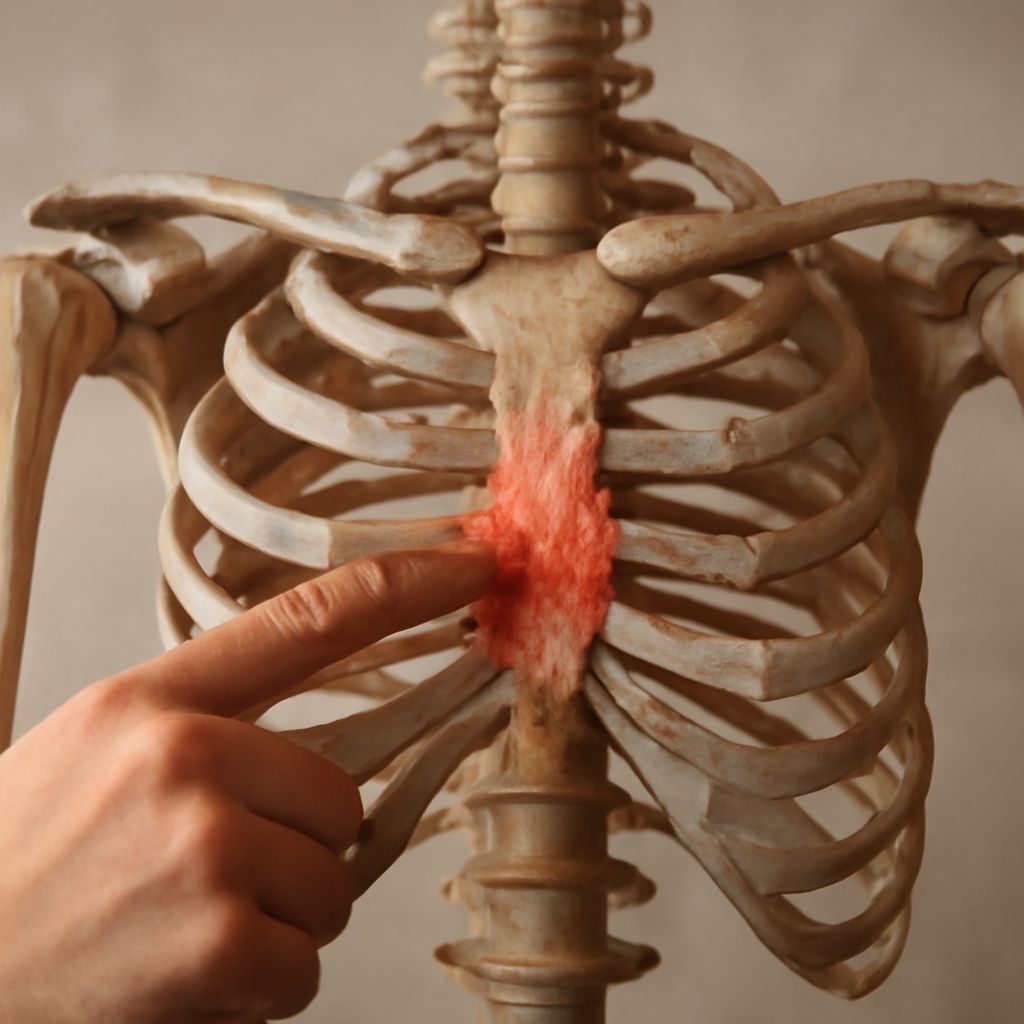
Costochondritis is an inflammation of the cartilage that connects the ribs to the sternum. This condition, though benign, can cause significant discomfort and mimic the pain associated with cardiac issues. The pain typically occurs at the junction where the ribs meet the breastbone, known as the costosternal junction, and can vary in intensity. While costochondritis is often self-limiting, understanding its nature helps in managing expectations and pain relief strategies.
Recognizing Costochondritis Symptoms
Identifying the symptoms of costochondritis is essential for differentiating it from other potential causes of chest pain. The primary symptom is sharp, aching pain in the chest wall, particularly around the sternum. This discomfort might increase with physical activity or deep breathing. Some individuals may experience tenderness when pressing on the affected area, which can provide a clue in distinguishing costochondritis from other conditions like cardiac issues.
Symptoms can fluctuate, with periods of improvement and exacerbation. It is crucial to observe these patterns and note any activities or movements that may intensify the pain. If the pain persists or is accompanied by other symptoms such as shortness of breath or dizziness, seeking medical advice is recommended to rule out other serious conditions.
Managing Sternum and Chest Wall Pain
Managing the pain associated with costochondritis involves a combination of home remedies and medical treatments. These approaches aim to reduce inflammation and alleviate discomfort, allowing individuals to resume normal activities comfortably.
Home Remedies
A variety of home remedies can provide relief for those suffering from costochondritis. Applying heat or ice to the affected area can help reduce inflammation and pain. Heat application, such as with a warm compress or heating pad, can soothe muscle tension and promote circulation. Conversely, applying ice packs can reduce swelling and numb the pain, offering relief, especially after physical activity.
Gentle stretching and physical therapy exercises can also aid in relieving sternum discomfort. These activities focus on improving flexibility and strength in the chest and surrounding muscles, which can help minimize the occurrence and intensity of costochondritis symptoms.
Medical Treatments
When home remedies are insufficient, medical treatments may be necessary. Over-the-counter pain relievers, such as nonsteroidal anti-inflammatory drugs (NSAIDs), can be effective in reducing pain and inflammation. It is important to follow dosage instructions to avoid potential side effects.
In some cases, a healthcare provider might recommend corticosteroid injections to provide more direct relief. These injections can significantly reduce inflammation and pain in the affected area, offering longer-term relief compared to oral medications. Additionally, physical therapy programs tailored to the individual’s condition can provide structured treatment plans, which may include exercises and manual therapy techniques to address pain and functional limitations.
Understanding costochondritis and exploring various management strategies enables individuals to approach this condition with confidence and clarity. By recognizing symptoms and employing effective relief methods, the discomfort associated with this condition can be significantly alleviated.