Restoring the health and appearance of teeth is crucial for both dental function and aesthetics. When damage occurs, dental crowns provide an effective solution. Understanding what a tooth crown is, the types available, and how they contribute to oral health can help in making informed decisions regarding dental care.
Among the benefits of using crowns for teeth is their ability to protect and strengthen compromised teeth. But how long do crowns last, and what are the best care practices? This guide covers essential information about dental crowns, ensuring you have the knowledge needed to maintain them effectively.
What Is a Dental Crown?
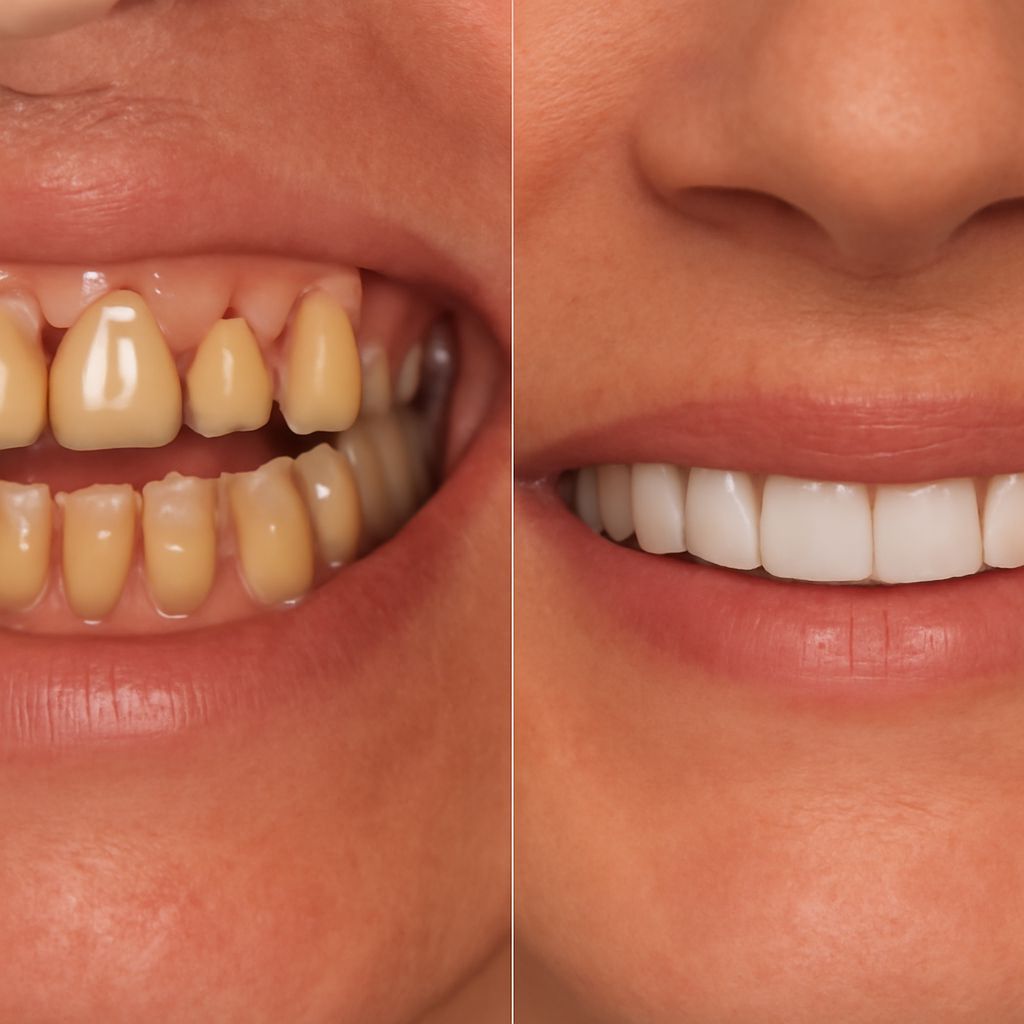
A dental crown is a custom-made cap that covers a damaged or decayed tooth, restoring its shape, size, and function. Crowns are used when fillings are insufficient to repair the tooth. They protect weakened teeth from further damage and can also improve the appearance of discolored or misshapen teeth.
Typically, the process of getting a crown involves two visits to the dentist. During the first visit, the tooth is prepared, and an impression is taken. A temporary crown may be placed while the permanent version is crafted. At the second visit, the permanent crown is fitted and adjusted for comfort.
Different Types of Tooth Crowns
There are several types of crowns available, each with distinct benefits. Porcelain crowns are favored for their natural appearance and are often used for front teeth. Metal crowns, though less aesthetic, offer durability and strength, making them ideal for molars. Porcelain-fused-to-metal crowns combine aesthetics with strength, providing a balance suitable for many situations.
Other options include ceramic and resin crowns. Ceramic crowns provide a more natural look for those with metal allergies, while resin crowns are a less expensive option but may wear down faster. The choice of crown depends on various factors, including the tooth’s location and the patient’s budget.
How Long Do Crowns for Teeth Last?
The longevity of a dental crown depends on several factors, including the type of material used, oral hygiene practices, and wear and tear from regular use. On average, crowns can last between 10 to 15 years, but with proper care, they may extend beyond this range.
Material plays a crucial role in the lifespan of a crown. Metal crowns tend to last the longest due to their durability, while porcelain and ceramic crowns may need more frequent replacement due to wear. Regular dental check-ups and maintaining good oral hygiene are critical in extending the life of a crown.
Signs You Might Need a Crown
Recognizing when a dental crown is necessary involves being aware of certain symptoms. If a tooth is severely cracked, worn down, or has undergone a large filling or root canal, a crown might be required to restore and protect it. Persistent pain, especially when biting down, could also indicate the need for a crown.
In addition to physical damage, cosmetic considerations might prompt the use of crowns. Discoloration or misshaping that affects confidence in one’s smile can be effectively addressed with a well-fitted crown.
Caring for Your Dental Crown
Daily Maintenance Tips
Proper care is essential in prolonging the life of a dental crown. Daily brushing and flossing, coupled with the use of fluoride toothpaste, help maintain oral health. It is advisable to avoid hard foods that could chip the crown and to refrain from using teeth as tools, which can lead to damage.
Mouthguards may be recommended for those who grind their teeth, particularly at night, to protect both natural teeth and crowns from excessive wear and tear. Regular use of antiseptic mouthwash can also help prevent plaque buildup around the crown.
When to See Your Dentist
Regular dental check-ups are vital in maintaining the health of crowns and surrounding teeth. Visiting the dentist every six months ensures that any potential issues with the crown can be detected early. If the crown becomes loose, uncomfortable, or exhibits signs of wear, it is crucial to contact a dentist promptly.
Being proactive about dental health not only preserves the function of crowns but also contributes to overall oral wellness. Should any unusual symptoms arise, seeking professional advice is the best course of action.