Recovery from a sprained ankle can take a few weeks for a minor injury, while a more severe injury may take months to feel normal. The time an ankle sprain takes to heal depends on the extent of ligament damage, the demands placed on the joint, and how movement and strength return. Swelling often improves before it disappears completely.
An ankle sprain stretches or tears ligaments, the bands of tissue that help hold bones together at a joint. Healing the injured tissue is only part of the process: comfortable walking, balance, and confidence on uneven ground may return at different speeds.
How Long Does an Ankle Sprain Take to Heal?
How long does an ankle sprain take to heal? Minor sprains often improve within a few weeks. For many ankle injuries, full healing takes around six weeks, although the course varies with severity. University Hospitals Sussex notes that the severity of the sprain affects this estimate; more severe injuries can take longer. A person might feel noticeably better before the ankle is ready for the demands of running or a physically demanding job.
When asking how long does it take for an ankle sprain to heal, it helps to define the destination. Getting around the house, walking a full workday, and returning to a sport with quick changes of direction place different demands on the joint. Less pain on a short walk is encouraging, but it does not measure balance or endurance during a longer activity.
The question of how long does it take a sprain to heal also depends on what was injured. The time it takes a sprain to heal varies with its location. An ankle sprain involves ligaments, and its course cannot be predicted from the recovery of a sprained finger or wrist. Even two people with ankle injuries may have different needs for support or rehabilitation.
What the injury grade adds to the estimate
Clinicians may describe a sprain by grade. A grade 1 injury involves mild ligament damage; higher grades generally involve more extensive tearing and may cause greater instability. The grade gives context to a recovery estimate, but the affected ligament, examination findings, and the person’s activities also matter.
A grade 1 ankle sprain recovery time is often measured in weeks rather than months. The Cambridge University Hospitals guidance says minor sprains can recover within a few weeks. That is a broad guide: a mild, first-degree sprain may settle at a different pace when standing all day is part of the person’s routine than when time off the feet is possible.
For a mild grade 1 injury, recovery can include a gradual return of comfortable movement as swelling and tenderness ease. The label alone cannot set the date for a particular activity. Progress is better understood through changes in walking, movement and stability over time, alongside advice from a clinician where needed.
A bad ankle sprain may involve a longer period of pain and difficulty bearing weight, and may need a more structured rehabilitation plan. A severe sprain can also take longer to restore strength and balance. If the joint keeps giving way, an assessment can identify what support or rehabilitation is needed rather than treating the calendar as the only measure of progress.
Why swelling can outlast the first pain
A swollen ankle sprain reflects the body’s response to injured tissue. Fluid collects around the area, often making the joint feel tight and making footwear less comfortable. Bruising can also appear. The amount of visible swelling alone cannot establish the grade of injury or a precise healing date.
Swelling from a sprained ankle may be more noticeable after time on the feet and less obvious after rest. Some swelling can persist for months, even as walking becomes easier. Cambridge University Hospitals notes that it may take several months for swelling to disappear and the ankle to feel normal again. Looking at the overall trend over days and weeks is more informative than expecting every day to look the same.
Raising the leg when resting and using a cold pack wrapped in a towel can help manage early swelling and discomfort. A clinician can advise on support and movement for the particular injury. If swelling becomes substantial, worsens, or is accompanied by increasing pain, it deserves medical assessment.
What else changes the timeline?
The location and extent of ligament injury matter, as do other injuries that may have happened at the same time. A previous sprain or ongoing ankle instability can affect how confidently someone moves. The time needed to recover from an ankle sprain also depends on the activities a person hopes to resume: walking on level ground and cutting sharply across a court are different tasks.
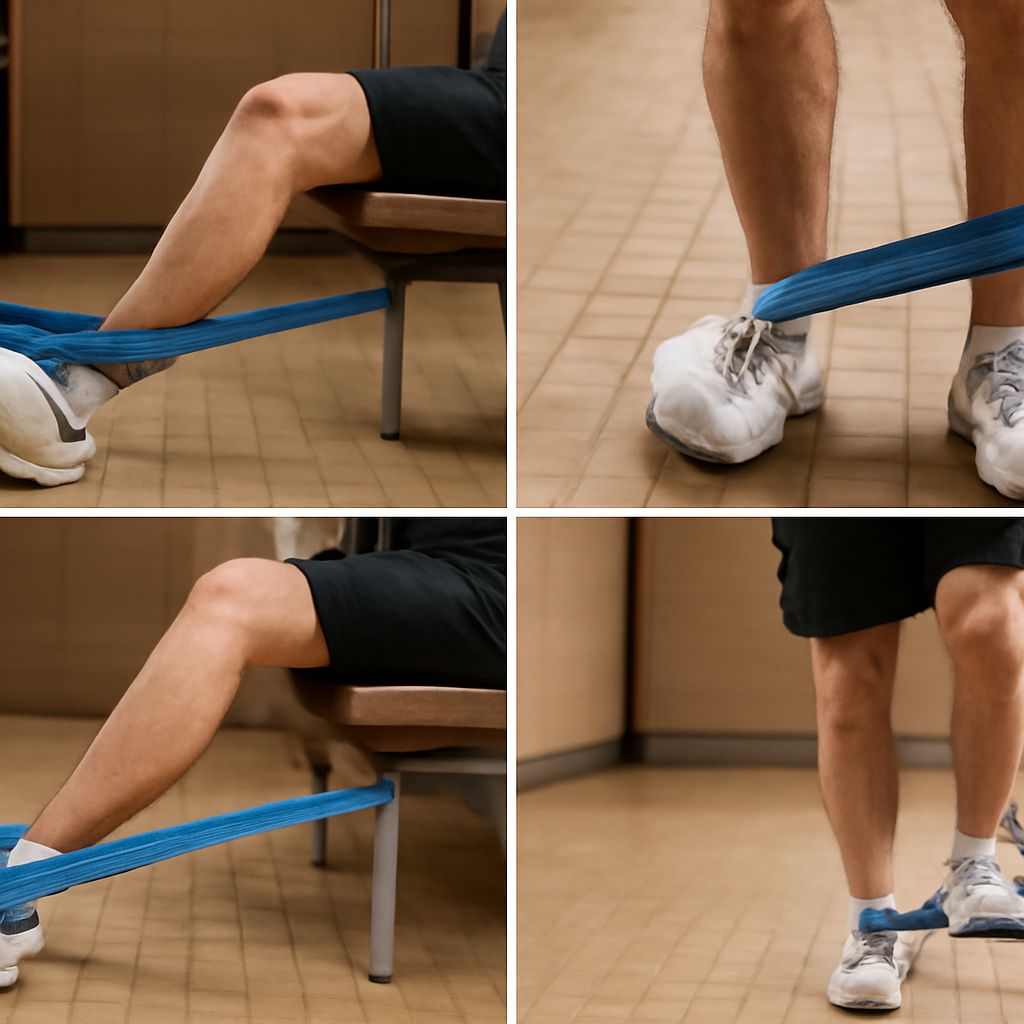
After the initial painful period, a care plan may include a gradual return to movement and exercises for strength and balance. Rehabilitation can be particularly helpful when motion or stability remains limited. Progressing too quickly can aggravate symptoms, while a clinician or physical therapist can help adjust the plan when everyday activities remain difficult.
Sleep can be disrupted when an uncomfortable ankle presses against bedding or aches after a busy day. A supported resting position may make it easier to settle. Persistent pain that interferes with sleep is another reason to discuss the course of healing with a clinician.
When the course needs another look
Urgent assessment is appropriate if the ankle is misshapen, the foot is numb or cold, or the toes turn blue or white. Severe pain, inability to walk or bear weight, and worsening swelling also warrant prompt medical attention; a fracture or another injury may need to be considered. If pain or swelling is not improving, arrange a review. These signs give a clinician more to work with than an estimate of how long for a sprain to heal.
What to expect as recovery continues
In the early days, pain and swelling may make ordinary steps awkward. Over the following weeks, a healing ankle sprain often becomes easier to move and walk on, though stiffness or swelling can linger. As strength and balance return, longer walks and more demanding activities may become comfortable again. For some injuries, especially more severe ones, that progression takes months and may benefit from rehabilitation.
Rather than looking for one deadline, it helps to follow the direction of change: easier walking, improving movement, and less disruption from swelling are meaningful signs. If progress stalls or the ankle repeatedly gives way, a clinical review can help explain what is slowing recovery and guide the next step.