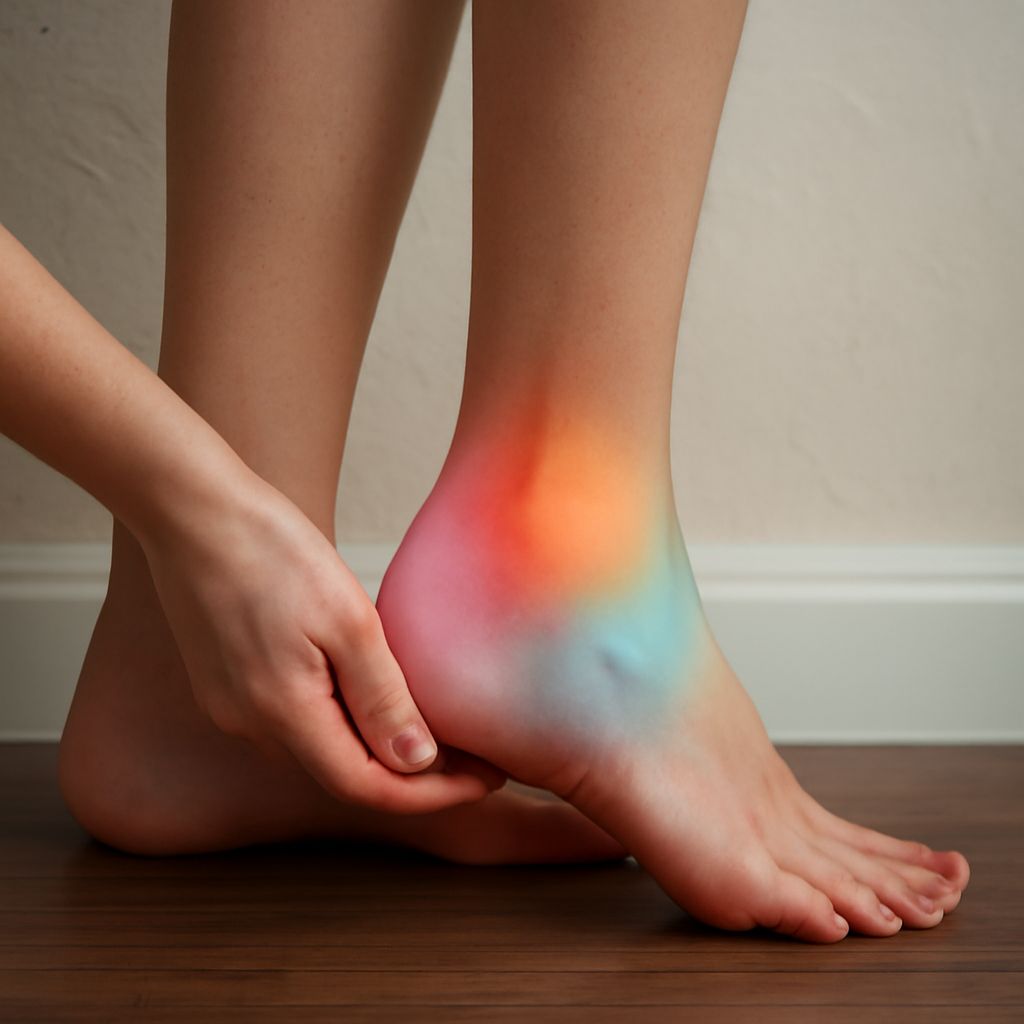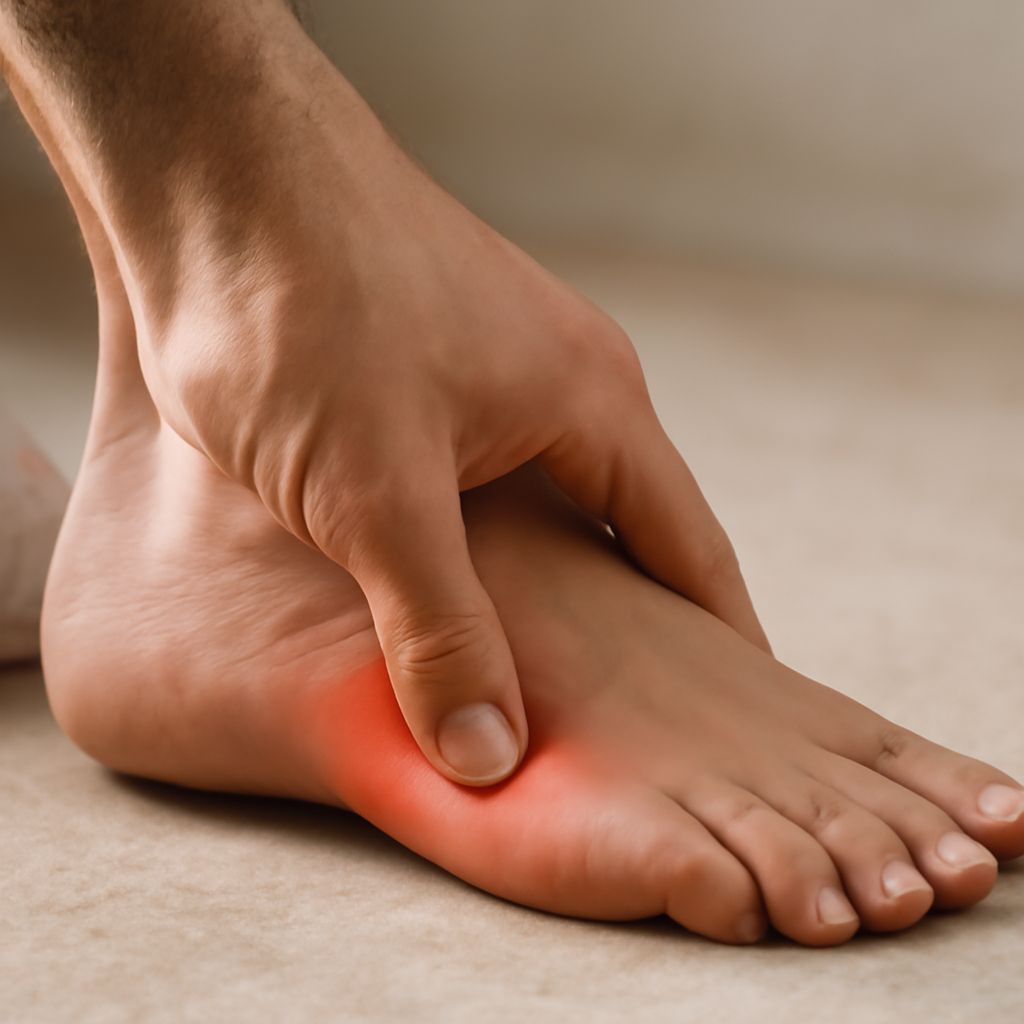
Pain across the top of the foot can make walking or wearing a familiar pair of shoes uncomfortable. Irritation of the tendons that lift the foot and toes is one possible explanation. Care for irritated extensor tendons often involves reducing the activity and pressure that aggravate them, then returning to activity gradually as symptoms allow.
The same area can hurt for other reasons, including a sprain, a stress fracture, or joint problems. The location of pain is a useful clue, but an examination may be needed to find its cause and choose an appropriate plan.
What do the extensor tendons do?
Tendons are strong bands of tissue that connect muscles to bones. On the front of the ankle and top of the foot, extensor tendons help lift the foot and straighten the toes. Each step uses these structures as the foot moves forward and prepares to meet the ground.
The term foot extensor tendonitis describes irritation of these tendons. A clinician may also use the word tendinopathy for a painful tendon condition. The terms can be used in discussions of similar symptoms, although an individual assessment is needed to understand what is happening and what care is appropriate.
Repeated loading can play a role. A sudden increase in running, walking uphill, or time spent on the feet can place demands on the tendons that exceed what they are accustomed to. Pressure from tight shoes or laces can also irritate the area. These are possible contributors, not proof of a particular diagnosis.
Symptoms and other possible causes
Extensor tendonitis symptoms can include pain along the top of the foot, tenderness, and swelling. The pain may become more noticeable during activity or when footwear presses on the area. Some people notice discomfort when lifting the foot or toes. The pattern and the precise location vary, and a clinician will consider both when examining the foot.
With extensor tendonitis, top of foot pain can increase after a longer walk or a change in exercise. A person might first notice a sore area under the laces, then find that the same area becomes uncomfortable during a run. Keeping track of the activity, footwear, and timing can help describe the problem at an appointment.
Top of foot tendonitis is only one possible explanation for pain in this area. A stress fracture, for example, can also develop with repeated activity. The Cleveland Clinic notes that symptoms of an irritated extensor tendon and a stress fracture can overlap. Swelling, pain when bearing weight, or a recent increase in activity does not settle the distinction on its own.
Pain near a toe also has more than one possible source. The term toe tendonitis refers to irritation of a tendon associated with a toe; the affected tendon and location matter when deciding what the term means for a particular person. Joint problems, injury, or other conditions may cause pain in the same region.
Extensor Tendonitis Treatment: Reducing Irritation
Extensor tendonitis treatment usually begins with changing the load on the painful area. A clinician may recommend temporarily cutting back on activities that provoke pain, such as running or long walks, while choosing movement that is comfortable. The aim is to give the irritated tissue a chance to settle without treating every form of movement as harmful.
Shoes and laces deserve attention because they rest directly over these tendons. A roomier shoe or a different lacing pattern may reduce pressure across the sore spot. The fit should still hold the foot securely; loosening laces so much that the shoe slips can create another problem when walking.
A cold pack wrapped in a towel can help with discomfort and swelling. The NHS guidance on pain at the top of the foot suggests applying a wrapped ice pack for up to 20 minutes every two to three hours. Avoid placing ice directly on the skin. A pharmacist or clinician can discuss pain relief that is suitable for the individual, including any relevant health conditions or medicines.
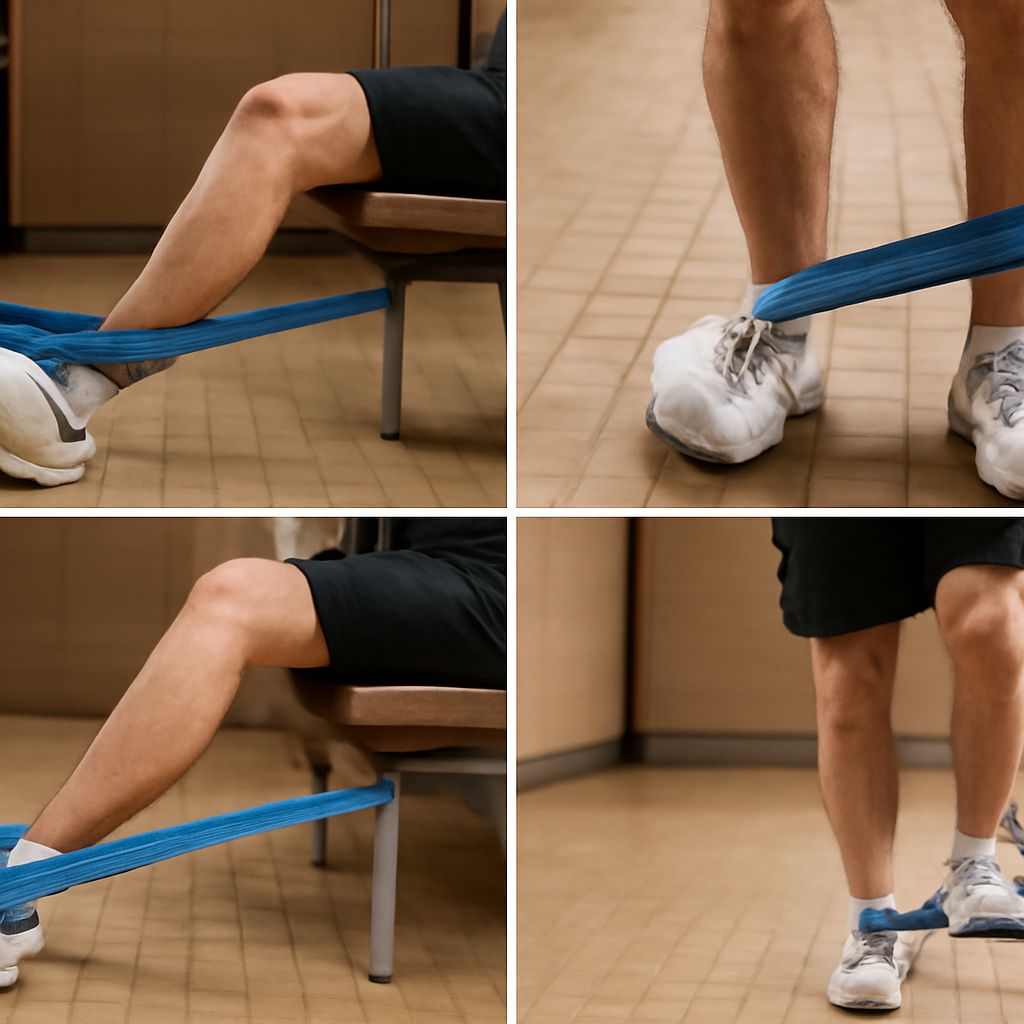
Treatment for an irritated extensor tendon may also include physical therapy. A therapist can assess movement and help introduce exercises to improve strength and manage the return to normal activity. The appropriate pace depends on the diagnosis and the person’s response, so a plan should be adjusted if activity consistently makes pain worse.
How a clinician assesses the foot
An assessment usually starts with the history: when the discomfort began, whether there was a specific injury, what activities changed, and which movements or shoes make it worse. The clinician may examine tenderness, swelling, movement, and the ability to bear weight. The results help distinguish tendon-related pain from other possibilities.
Sometimes further tests are needed. Imaging may be considered when the examination raises concern about a bone injury or another condition. The decision depends on the clinical picture; an image is not automatically necessary for every painful foot. If a fracture is suspected, the plan for protecting the foot can differ from a plan for a tendon problem.
The distinction matters for recovery. Continuing to run through a possible bone injury could delay appropriate care, while a confirmed tendon problem may benefit from a gradual, guided return to loading. Describing changes in pain and activity gives the clinician information to tailor that plan.
Recovery and when to seek help
Irritated tendons may settle over weeks, but the course differs with the cause, severity, and demands placed on the foot. As discomfort improves, a gradual increase in walking or exercise can show how the foot responds. A return to previous activity is easier to judge by tolerance during and after activity than by a fixed date alone.
Seek prompt medical care for severe pain, inability to walk, a foot that has changed shape, or a hot, swollen foot with fever or chills. After an injury, a snap or a markedly misshapen foot also calls for urgent assessment. People with diabetes and foot pain should contact a clinician because foot problems may need closer attention.
Arrange an evaluation if pain worsens, keeps returning, interferes with normal activities, or has not improved after two weeks of home care. Tingling or loss of sensation also deserves assessment. If discomfort returns as activity increases, the clinician can reassess the diagnosis and adjust the recovery plan.