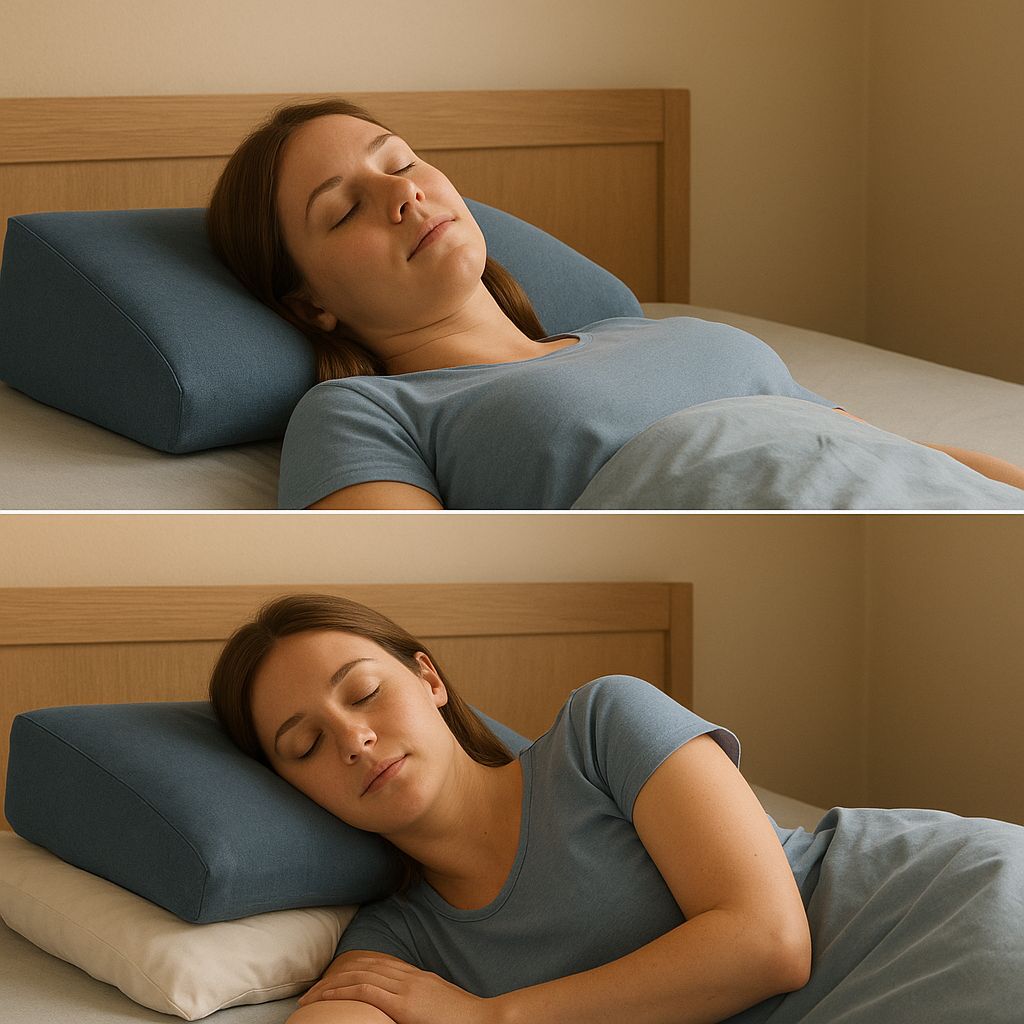
Experiencing the sharp, shooting pain down one leg that sciatica causes can significantly impact daily life. Understanding what causes sciatica and finding the right sciatica pain relief methods can transform this challenging experience into a manageable one. With the right knowledge and approach, those suffering can once again find comfort and freedom in their movements.
Understanding What Causes Sciatica
Sciatica arises when the sciatic nerve, the longest nerve in the body, is irritated. This irritation often occurs due to a herniated disc, spinal stenosis, or degenerative disc disease in the lumbar spine. Each of these conditions can exert pressure on the nerve, causing inflammation and pain. Other contributing factors can include lifestyle elements like prolonged sitting, obesity, or even pregnancy, which can increase the risk of developing sciatica.
Understanding these underlying causes is crucial for effective management and prevention. For instance, maintaining a healthy weight and staying active can reduce the likelihood of nerve compression. Regular check-ups can also help in identifying any spinal issues early on, preventing them from escalating into chronic pain conditions.
What Does Sciatica Feel Like?
Sciatica pain typically radiates from the lower back down to the leg and can vary in intensity. It may feel like a mild ache, a burning sensation, or a sharp, excruciating jolt. Some people may also experience numbness, tingling, or muscle weakness in the affected leg or foot. These sensations often worsen with prolonged sitting, standing, or sudden movements such as sneezing or coughing.
Identifying these symptoms early can aid in seeking timely and appropriate treatment. While the pain might be sporadic for some, others might endure chronic discomfort, making it crucial to seek professional advice if symptoms persist.
Effective Sciatica Pain Relief Techniques
Home Remedies for Sciatica Relief
Many find relief through simple at-home remedies. Applying cold packs for the first 48 hours after the onset of pain can reduce inflammation and numb the area. After the initial period, switching to heat therapy using a warm compress or heating pad can help relax tight muscles and improve blood flow. Over-the-counter pain medications, such as ibuprofen or acetaminophen, might also provide temporary relief.
Exercises to Alleviate Sciatica Pain
Engaging in specific exercises can significantly reduce sciatica symptoms. Stretching exercises, such as hamstring stretches or the piriformis stretch, can alleviate tension along the sciatic nerve. Strengthening exercises, targeting the core and lower back, such as pelvic tilts or bridges, help stabilize the spine, preventing future flare-ups.
It’s important to perform these exercises regularly and with proper form. Consulting a physical therapist can provide personalized guidance, ensuring exercises are performed safely and effectively.
Exploring Sciatica Medication Options
For those with persistent or severe pain, medications may be necessary. Prescription drugs, such as muscle relaxants or anti-inflammatory medications, can help manage intense pain episodes. In some cases, doctors may recommend corticosteroid injections to reduce nerve root inflammation.
However, medication should be part of a comprehensive treatment plan, including lifestyle modifications and physical therapy for optimal results. As with any medication, it is essential to discuss potential side effects and interactions with a healthcare professional to ensure safe and effective use.
By understanding both the root causes and broad range of treatment options, individuals suffering from sciatica can take proactive steps toward relief. Whether through lifestyle changes, home treatments, or medical intervention, finding the right balance can help restore comfort and improve quality of life.