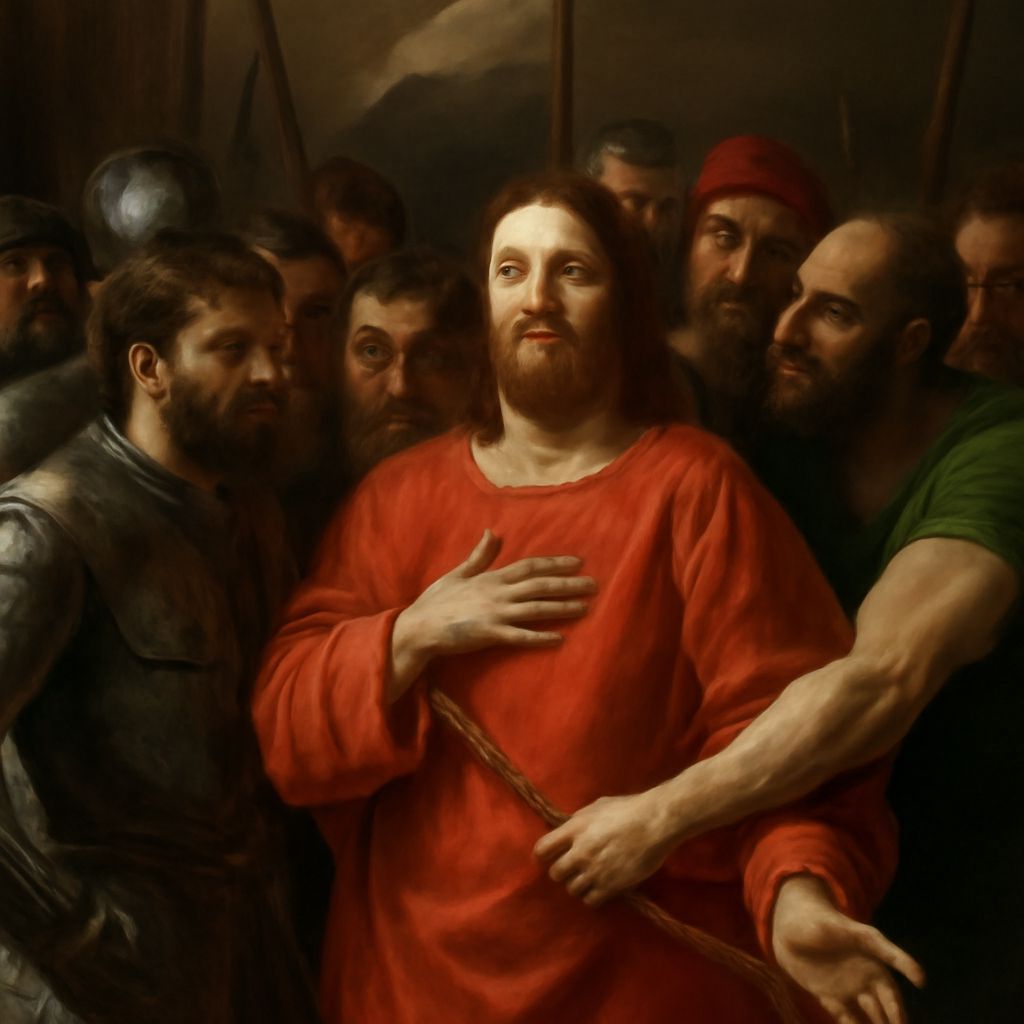
Byzantine art holds a significant place in history, renowned for its rich religious themes and intricate designs. Its unique blend of classical art forms and religious iconography continues to captivate art enthusiasts and historians alike. Delving into the history and characteristics of Byzantine artwork offers a profound understanding of its enduring allure. Whether exploring Byzantine paintings or studying the broader style, this exploration reveals the artistry and devotion inherent in each piece.
Understanding Byzantine Art
Byzantine art developed from the Roman Empire, particularly during the reign of Emperor Constantine the Great. This art form is characterized by its religious themes, prominently featuring Christian iconography aimed at inspiring devotion and educating the faithful. The use of mosaics, frescoes, and icons were prevalent, serving not only as artistic expressions but also as tools for spiritual engagement.
The intricate detail inherent in Byzantine paintings and mosaics showcases the artisans’ exceptional skill. Each piece was meticulously crafted, often taking several months or even years to complete. The emphasis on spiritual symbolism over realism is a defining feature, with artists prioritizing theological messages over lifelike representation. The art was not merely decorative but served as a vital component of religious life and practice.
Characteristics of Byzantine Artwork
One of the standout characteristics of Byzantine artwork is its distinctive use of color and form. Gold backgrounds are a common feature, symbolizing the divine light of heaven and creating a luminous effect that enhances the spiritual nature of the pieces. This use of gold, combined with rich colors like deep blues and reds, creates a striking visual impact.
The figures depicted in Byzantine paintings are often flat and frontal, emphasizing their spiritual rather than earthly presence. This abstraction is intentional, focusing the viewer’s attention on the holiness of the subject rather than their physical appearance. Additionally, the use of hierarchical proportions underscores the importance of religious figures, with larger figures representing greater spiritual significance.
Byzantine art is also marked by its use of intricate patterns and detailed ornamentation. These elements serve to draw the viewer into a deeper contemplation of the divine, with each detail contributing to the overall spiritual narrative of the artwork. The complexity and precision involved in these designs reflect the artisans’ devotion to their craft and faith.
Exploring Byzantine Style Art
The style of Byzantine art evolved over centuries, influenced by various cultural and religious changes. As the Byzantine Empire expanded, so too did the artistic influences, incorporating elements from the Middle East and beyond. This fusion of styles is evident in the diverse range of motifs and techniques found in Byzantine artwork.
Byzantine style art was not confined to the walls of churches and religious buildings; it extended into everyday life, influencing architecture, textiles, and other decorative arts. The emphasis on religious themes permeated every aspect of Byzantine culture, creating a cohesive and spiritually focused artistic tradition.
Today, Byzantine art continues to be celebrated for its intricate detail and spiritual depth. Its influence can be seen in modern religious art and architecture, with many contemporary artists drawing inspiration from the Byzantine tradition. The enduring appeal of Byzantine art lies in its ability to convey profound spiritual truths through exquisite craftsmanship and design.