Maintaining a healthy blood pressure is crucial for overall well-being, and its regulation during sleep plays a significant role. Understanding how blood pressure and sleep are interconnected can help in identifying potential health risks and improving the quality of rest. The causes of high blood pressure attacks while sleeping may be surprising, but they can be managed effectively with the right approach.
Exploring the nuances of blood pressure when sleeping reveals its impact on health. By being informed about what constitutes normal blood pressure levels during sleep and recognizing the triggers for nighttime blood pressure surges, individuals can take proactive steps in managing their blood pressure and sleep patterns.
Understanding Blood Pressure While Sleeping
What is Normal Blood Pressure When Sleeping?
Normal blood pressure when sleeping tends to be lower than during waking hours. This natural drop, known as nocturnal dipping, is a part of the body’s circadian rhythm. Typically, a healthy dip is around 10-20% of daytime values. Tracking these patterns over time can help individuals and healthcare providers determine if blood pressure regulation is within normal ranges.
How Sleep Affects Blood Pressure
Sleep affects blood pressure through several mechanisms. During various sleep stages, the body’s stress hormone levels decrease, allowing blood vessels to relax. This relaxation contributes to the reduction in pressure levels. Conversely, poor sleep quality or sleep disorders can disrupt this process, leading to elevated readings and increased cardiovascular risk.
Causes of High Blood Pressure Attacks While Sleeping
Common Triggers During Sleep
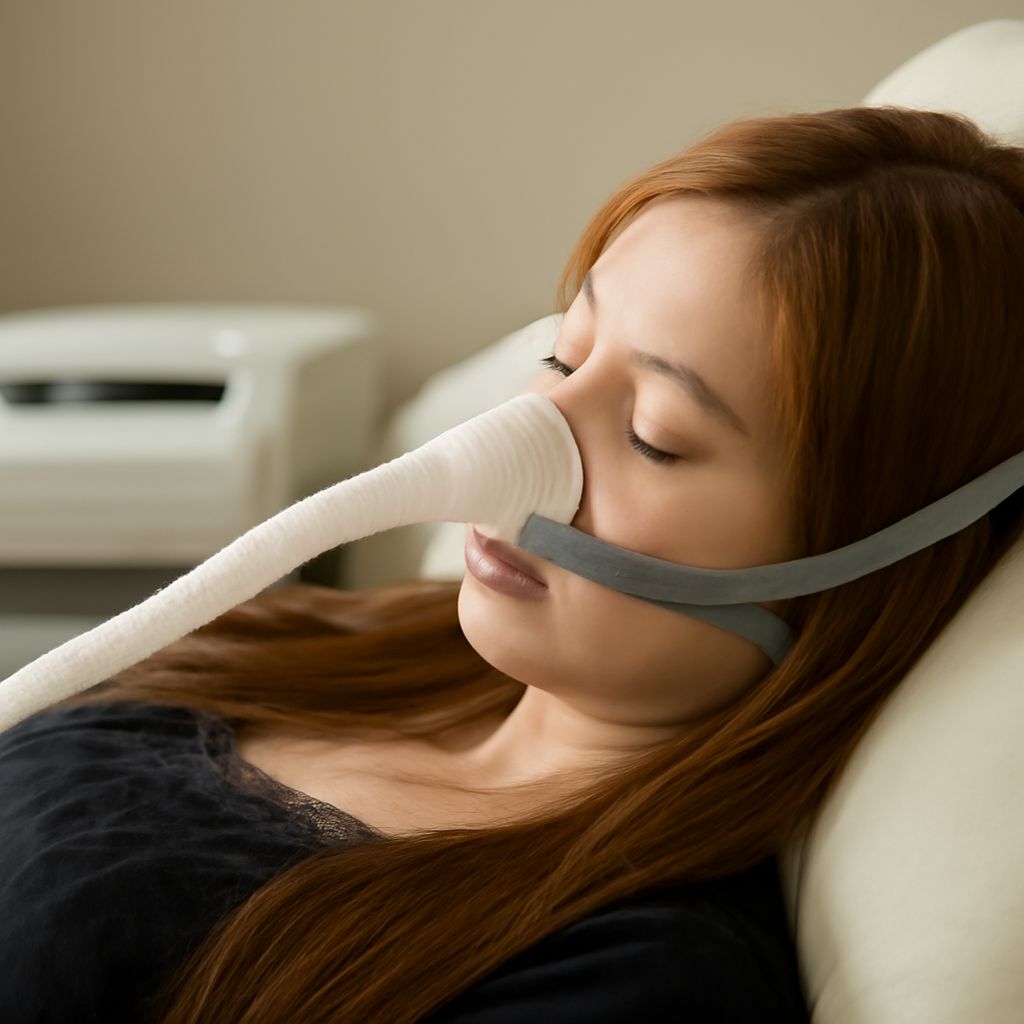
Several factors can trigger high blood pressure attacks while sleeping. Sleep apnea is a common contributor, where interrupted breathing leads to spikes in blood pressure. Additionally, excessive consumption of alcohol or caffeine before bed can hinder the body’s ability to regulate pressure. Stress and anxiety, often unnoticed, can also manifest as nocturnal surges, impacting sleep quality.
Health Implications of Nighttime Blood Pressure Surges
Nighttime blood pressure surges can have serious health implications if left unchecked. Persistent surges may indicate underlying cardiovascular issues and increase the risk of strokes or heart attacks. Monitoring nighttime levels can provide early warnings, enabling timely interventions that target the specific causes of high readings.
Managing Blood Pressure and Sleep
Lifestyle Changes for Better Sleep
Implementing lifestyle changes can enhance sleep quality and help regulate blood pressure. Establishing a consistent sleep schedule fosters a stable circadian rhythm. Limiting caffeine and alcohol intake, particularly in the hours leading up to bedtime, can prevent disruptive blood pressure spikes. Regular physical activity, although beneficial, should be avoided too close to sleep time to prevent overstimulation.
Medical Interventions and When to Seek Help
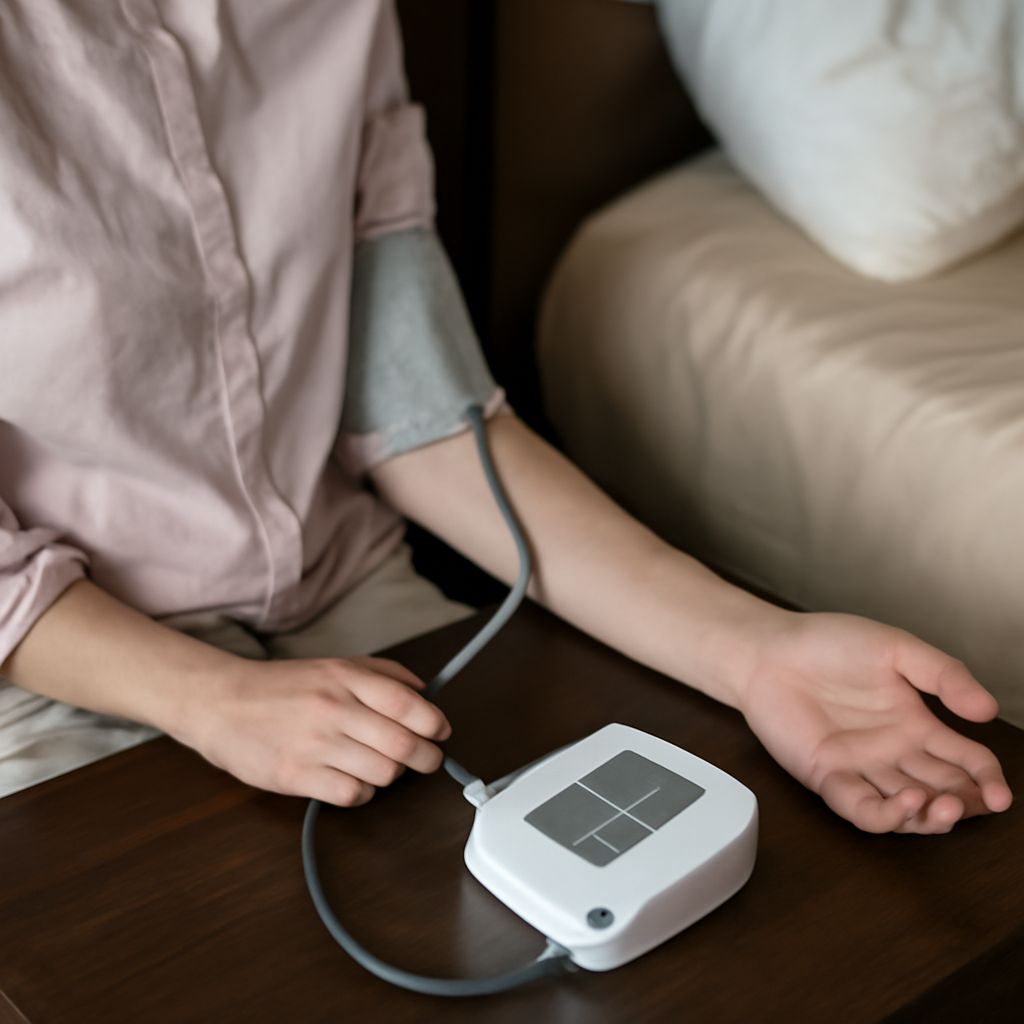
For those struggling to manage their blood pressure and sleep through lifestyle modifications alone, medical interventions may be necessary. Medications specifically targeting hypertension can be effective, particularly when guided by a healthcare provider. Regular monitoring of blood pressure at home, alongside professional consultations, ensures tailored treatment plans addressing the individual’s health needs. It is crucial to seek medical advice if experiencing persistent high blood pressure attacks while sleeping, as this may indicate more severe health concerns that require specialized attention.