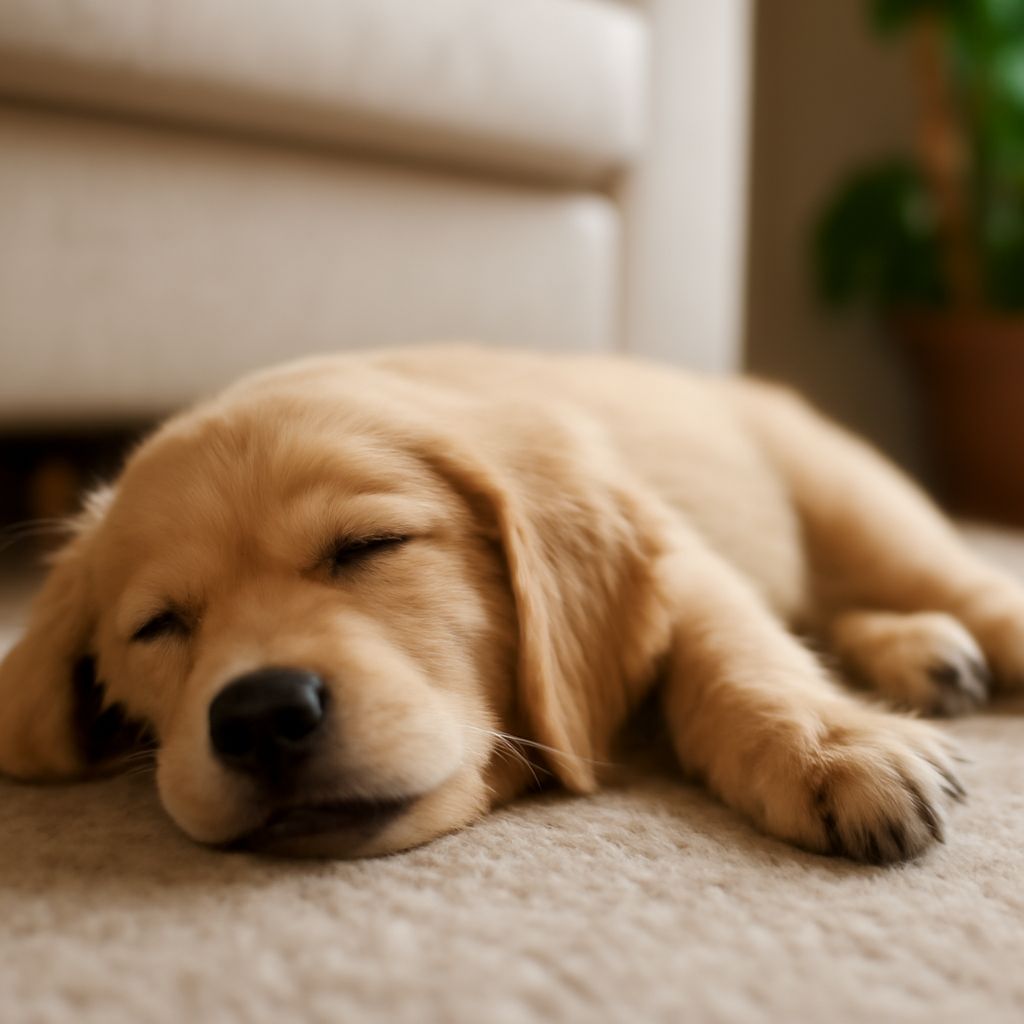
Observing a puppy breathing fast while sleeping can raise concern for any pet owner. Understanding the reasons behind a puppy breathing fast when sleeping is essential to differentiate between normal behavior and signs that may require medical attention. By learning more about your puppy’s sleeping patterns, you can ensure they are healthy and thriving.
In this article, the focus will be on why puppies breathe so fast when they fall into slumber. This insight can provide peace of mind and equip you with the knowledge of when it’s necessary to consult a vet.
Understanding Puppy Breathing Patterns
Why Do Puppies Breathe Fast When They Sleep?
Puppies, much like human babies, experience various stages of development that include rapid eye movement (REM) sleep. During this phase, their bodies are highly active, contributing to fast breathing rates. It is not uncommon for a puppy’s breathing to be fast as they may be dreaming, which can cause the diaphragm to work more vigorously.
Additionally, puppies have a higher metabolic rate compared to adult dogs, which can explain why they tend to breathe faster even at rest. The fast pace of development in a puppy’s body can lead to increased oxygen requirements, manifesting as rapid breathing during sleep.
Normal vs. Abnormal Breathing
While fast breathing can be a normal part of a puppy’s sleep cycle, it is critical to distinguish between typical and atypical breathing patterns. Normal breathing should settle into a consistent rhythm after a period, and there should be no additional symptoms such as coughing or wheezing. Monitoring the frequency and duration of these episodes can help determine if the breathing is indeed normal.
If fast breathing is accompanied by other indicators such as lethargy, lack of appetite, or persistent coughing, it may point toward underlying health issues. In such cases, it becomes crucial to pay closer attention and possibly seek veterinary insight.
Causes of Fast Breathing in Puppies During Sleep
Common Reasons for Rapid Breathing
Aside from REM sleep, several other factors can cause a puppy to breathe rapidly while at rest. Heat can play a significant role; if the sleeping environment is too warm, it can lead to increased breathing rates as puppies try to regulate their body temperature. Ensuring a cool and comfortable sleeping area can mitigate this.
Stress and anxiety, often linked to unfamiliar surroundings or separation from their mother, can also contribute to rapid breathing. Puppies may exhibit fast breathing as part of their stress response, which should diminish as they acclimate to their new home.
Physical exertion prior to sleep can also be a factor. Puppies engage in playful activities that can tire them out, leading to temporary increases in breathing rate as their bodies return to a state of rest.
When to Seek Veterinary Advice
While fast breathing can be normal, there are instances where veterinary advice is warranted. If a puppy’s breathing remains fast even when they are awake or if it persists over multiple sleep sessions, it might indicate a need for professional evaluation. This is particularly true if it coincides with other warning signs such as a change in behavior or physical distress.
Observing for prolonged periods of fast breathing, especially if coupled with signs of respiratory distress or failure to thrive, should prompt an immediate visit to the veterinarian. Early intervention can be key to addressing potential health concerns effectively.
In summary, while a puppy breathing fast during sleep can often be a normal occurrence, understanding when it might signal a problem is essential for ensuring their well-being. Being aware of the nuances in their breathing patterns allows for informed decisions regarding their health care needs.