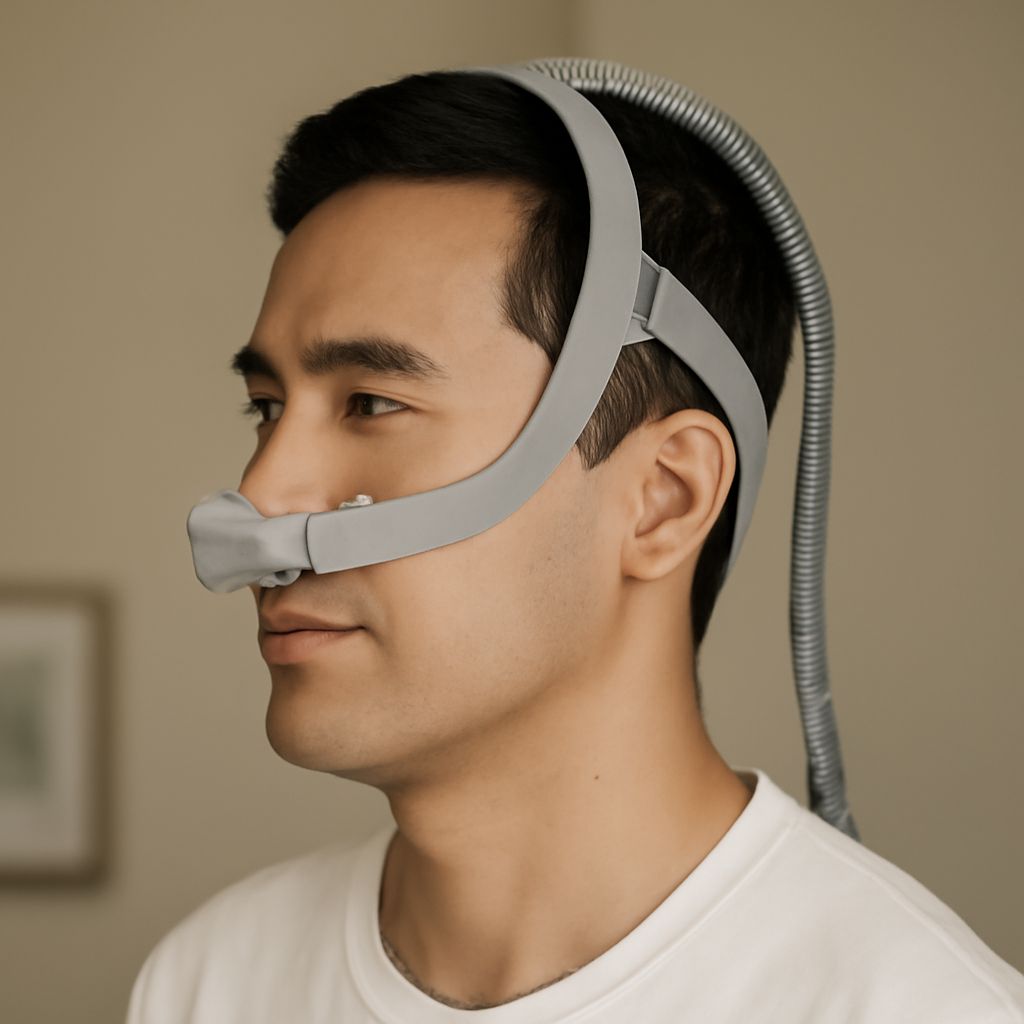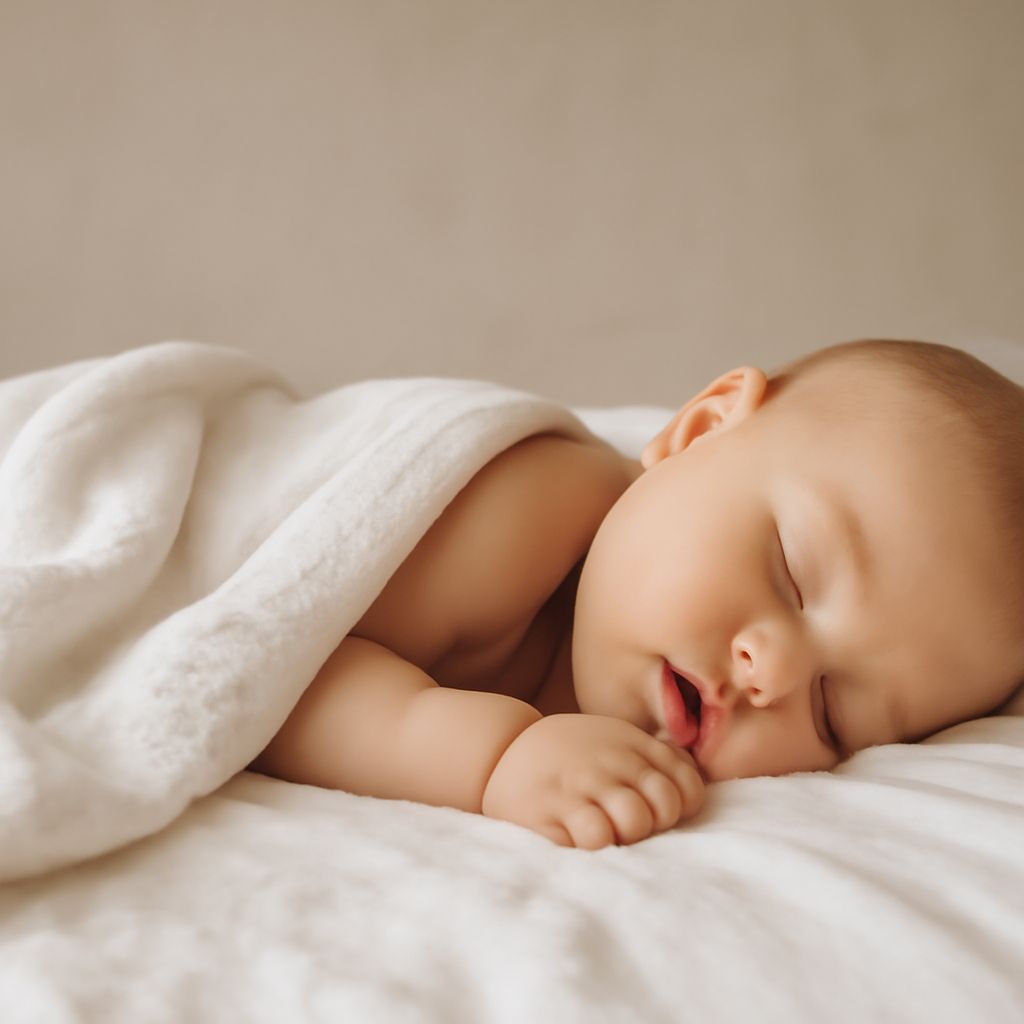
Sleep apnea is a condition that can disrupt sleep and lead to health issues, not just in adults but also in babies and even cats. Recognizing the signs of sleep apnea in infants early on can lead to timely interventions and improved outcomes. Moreover, understanding if supplements for sleep apnea are safe for babies is crucial for their wellbeing. Interestingly, while humans aren’t the only species affected by sleep apnea, pet owners might wonder, “Can cats have sleep apnea too?” This article explores these questions and potential solutions.
Understanding Sleep Apnea in Babies
What is Sleep Apnea?
Sleep apnea is a sleep disorder characterized by repeated interruptions in breathing during sleep. These pauses in breathing can lead to reduced oxygen levels in the blood and often result in frequent wake-ups throughout the night. In babies, this condition can be particularly concerning due to their developing respiratory systems.
Signs and Symptoms in Infants
Identifying sleep apnea in infants requires close attention to their sleeping habits. Common signs include irregular breathing patterns, frequent awakenings, and noticeable pauses in breathing. Additional symptoms might include snoring, restlessness during sleep, and difficulty feeding. If such symptoms are persistent, it is advisable to consult a healthcare professional for further evaluation.
Managing Sleep Apnea in Babies
Medical Interventions
Medical interventions for managing sleep apnea in infants often involve addressing underlying conditions that may contribute to the disorder, such as enlarged tonsils or adenoids. Continuous Positive Airway Pressure (CPAP) therapy, a well-known treatment for adults, may also be considered for infants, but typically under strict medical supervision.
Lifestyle Adjustments
Aside from medical interventions, making lifestyle adjustments can also help manage sleep apnea in babies. Ensuring a safe and comfortable sleeping environment, maintaining regular sleep schedules, and monitoring the baby’s sleep position can significantly alleviate symptoms. It’s important to keep in mind that any changes or interventions should be discussed with a pediatrician.
Supplements for Sleep Apnea: Are They Safe for Babies?
Overview of Sleep Apnea Supplements
Supplements for sleep apnea often include natural remedies like melatonin, aimed at improving sleep quality. However, these are primarily designed for adults and require caution when considered for infants.
Safety Considerations for Infants
When considering the use of supplements for infants, safety is paramount. Most supplements lack sufficient research regarding their use in infants, making it essential for parents to consult healthcare providers before introducing any supplements. Pediatricians can provide guidance based on the latest research and individual health needs.
Can Cats Have Sleep Apnea? Exploring Feline Sleep Disorders
Understanding Cat Sleep Apnea
Much like humans, cats can also experience sleep disorders, including sleep apnea. In cats, this condition might manifest as loud snoring or breathing interruptions during sleep. While less common in cats, it’s important for pet owners to be aware of the signs.
Signs and Treatments for Cats
In addition to snoring, other signs of sleep apnea in cats include increased daytime sleepiness and changes in sleeping positions. Treatment options for feline sleep apnea may involve weight management, environmental adjustments, and in some cases, surgical intervention. Consulting a veterinarian is crucial for proper diagnosis and treatment.
Effective Supplements for Sleep Apnea in Cats
Types of Sleep Apnea Supplements
Supplements for feline sleep apnea might include omega fatty acids, antioxidants, or herbal blends aimed at promoting respiratory health. These supplements can support overall wellness but must be chosen carefully.
Administering Supplements to Cats
Administering supplements to cats requires consideration of dosage and specific health needs. Pet owners should seek advice from a veterinarian to ensure that any supplements are beneficial and do not interfere with existing conditions or medications.
Bottom line: Both babies and cats can experience sleep apnea, a condition that requires careful attention and management. Early recognition of symptoms and consultation with healthcare professionals or veterinarians can lead to effective interventions and improved quality of life. While supplements for sleep apnea may offer some benefits, their safety and efficacy, especially in infants, must be carefully evaluated.