Leg fatigue — the sensation of tiredness, heaviness, and reduced functional capacity in the lower limbs — is one of the most commonly reported physical complaints across age groups and activity levels. Muscle fatigue in legs has multiple distinct physiological causes, from the well-understood metabolic depletion that follows intense exercise to the more insidious vascular and neurological mechanisms that produce fatigue in the absence of physical exertion. Understanding which category applies to a given presentation determines both the appropriate evaluation and the most effective management strategy.
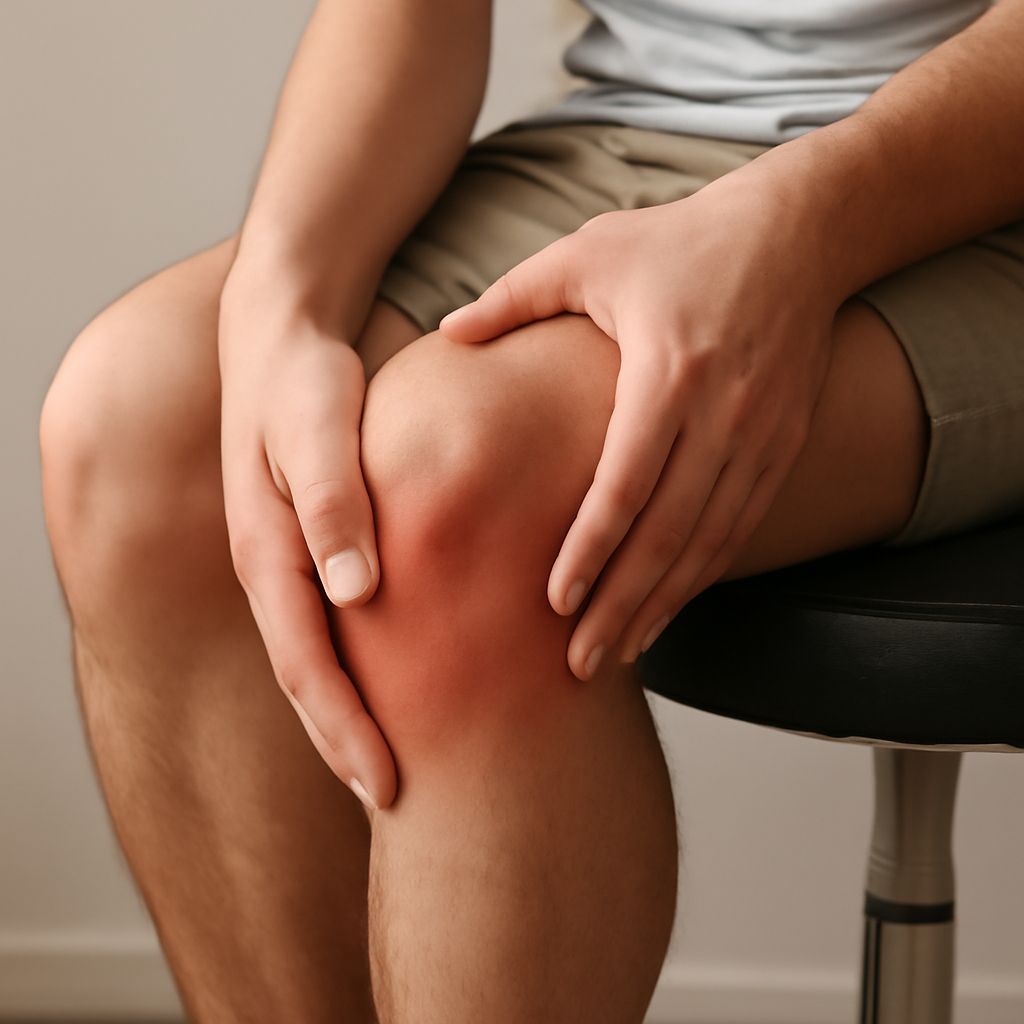
Heavy aching legs and fatigue that occurs at rest or after minimal activity — rather than after exercise — points toward pathology that deserves clinical attention. Fatigue in legs that worsens progressively over weeks or months, particularly in older adults, may reflect peripheral arterial disease, venous insufficiency, or systemic conditions that reduce oxygen delivery to lower limb muscles. Fatigue in elderly individuals presents particular diagnostic complexity because multiple contributing factors often overlap simultaneously, requiring a systematic approach to identify the primary driver.
Physiological Causes of Muscle Fatigue in Legs
Exercise-induced leg fatigue follows predictable metabolic pathways. During sustained aerobic activity, glycogen depletion in type I (slow-twitch) muscle fibers reduces the substrate available for oxidative phosphorylation. During high-intensity activity, lactate accumulation (and the associated hydrogen ion concentration increase that acidifies the intramuscular environment) inhibits myosin-actin cross-bridge cycling, reducing force production. Both processes are reversible with adequate rest and nutritional replenishment.
However, fatigue in legs not explained by recent exercise may reflect:
- Venous insufficiency: Incompetent venous valves allow blood to pool in the lower extremities, creating hydrostatic pressure that produces the characteristic heavy, aching sensation — typically worse after prolonged standing or sitting and improved by leg elevation. Affects an estimated 40% of adults over 50.
- Peripheral arterial disease (PAD): Reduced arterial perfusion causes claudication — muscle fatigue and cramping in the calves, thighs, or buttocks that appears predictably after a consistent distance of walking and resolves with rest. Risk factors include smoking, diabetes, hypertension, and hypercholesterolemia.
- Iron-deficiency anemia: Reduced oxygen-carrying capacity produces exertional fatigue disproportionate to the activity level. The legs are often most affected because they require the highest oxygen delivery during ambulation. A complete blood count (CBC) identifies this within hours.
Fatigue in Elderly: Distinct Considerations
Fatigue in elderly patients presents a different clinical picture than exercise-related leg fatigue in younger adults. Contributing factors commonly present simultaneously in older populations include:
- Sarcopenia: Age-related loss of muscle mass and strength — estimated at 1–2% of muscle mass per year after age 50 — reduces exercise tolerance and causes leg fatigue at activity levels that would not cause fatigue in younger adults with comparable fitness habits.
- Polypharmacy: Beta-blockers, statins, and diuretics are among the most commonly prescribed medications in elderly patients and are each associated with leg muscle fatigue as a side effect. Reviewing the medication list for recently started agents that temporally correlate with symptom onset is always warranted.
- Hypothyroidism: Increasingly prevalent with age, hypothyroidism reduces metabolic rate and muscle function, producing diffuse fatigue with prominent lower extremity involvement. TSH and free T4 testing identifies this reversible cause.
- Dehydration: Older adults have reduced thirst sensation relative to actual hydration needs. Mild chronic dehydration reduces plasma volume, increases blood viscosity, and significantly impairs muscle performance.
Evaluating Persistent Leg Fatigue
Heavy aching legs and fatigue that is persistent, progressive, or associated with skin changes (discoloration, ulceration) or calf swelling warrant medical evaluation. Initial workup typically includes CBC, metabolic panel, TSH, and lower extremity duplex ultrasound to assess venous and arterial competence.
For fatigue in legs with a clear exercise correlation and no vascular risk factors, management focuses on periodization (planned rest periods), adequate pre-exercise carbohydrate intake, and post-exercise protein (0.3 g/kg of body weight within 30 minutes of exercise cessation) to accelerate glycogen resynthesis and muscle protein synthesis.
Compression stockings (class II, 20–30 mmHg) provide consistent symptomatic relief for venous-insufficiency-related leg fatigue, with measurable improvements in lower limb venous return within one to two hours of application. They are particularly effective for individuals who stand for prolonged periods at work.