CPAP accessories encompass everything beyond the core device and mask that makes nightly therapy comfortable, effective, and sustainable: hose covers, humidifier chambers, travel bags, filters, mask liners, and comfort spray. Sourcing these items from the right cpap medical supplier — whether a local durable medical equipment (DME) provider or an established online sleep apnea store — affects both cost and access to clinical support. Understanding what qualifies as cpap medical supply and what falls under optional comfort accessories helps patients budget effectively and negotiate with insurance providers.
Cpap services — the clinical side of therapy management — include initial titration, ongoing pressure adjustments, mask fitting consultations, and compliance monitoring. A full-service sleep apnea store typically offers both equipment and clinical services under one roof or through affiliated clinicians. Cpap medical supplies covered by insurance generally require a valid prescription, a confirmed sleep apnea diagnosis (AHI ≥ 5 events/hour), and documentation of compliance for renewal of prescribed items.
Essential CPAP Accessories by Category
Understanding which cpap accessories matter most helps prioritize spending:
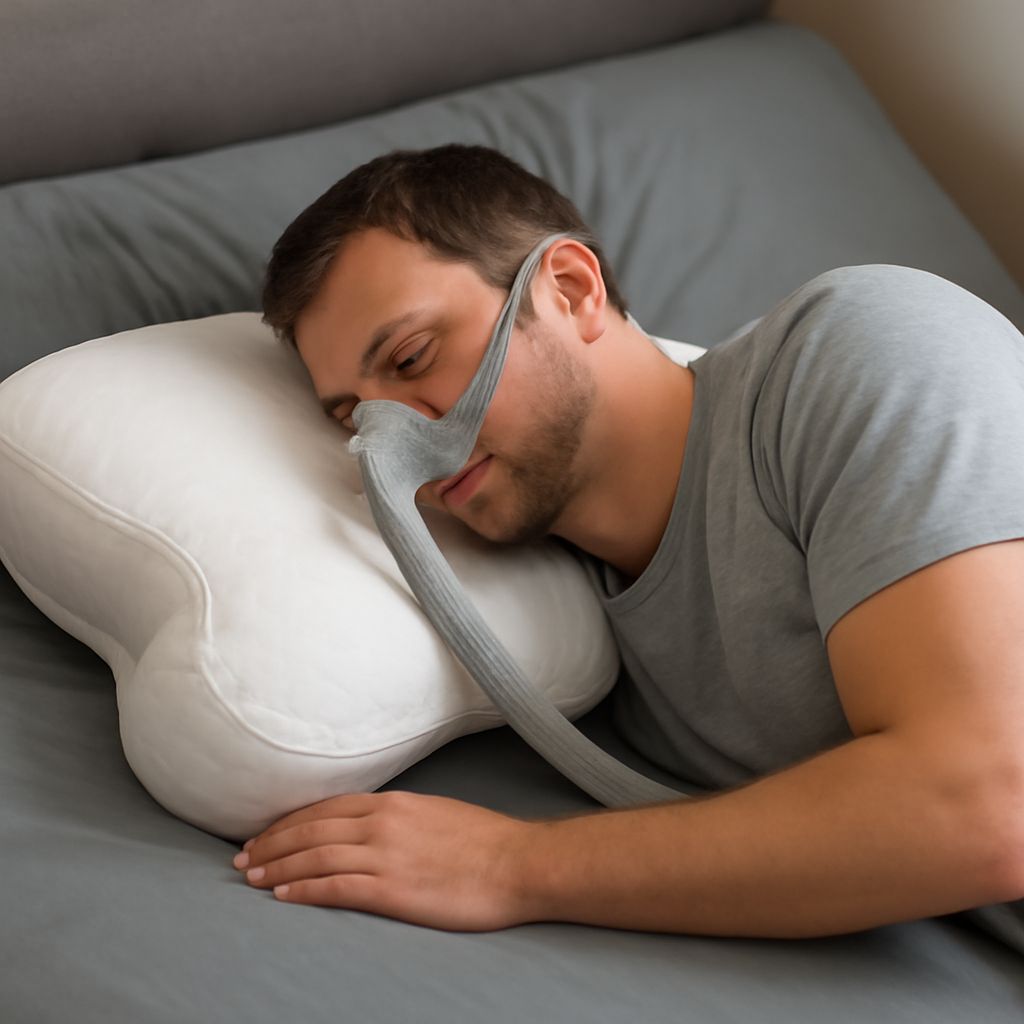
- Hose covers and hose management: Fabric hose covers reduce condensation buildup inside the tubing (rainout), prevent skin irritation from direct tube contact, and reduce tangle risk. Hose management clips attach to bedding or headboard to keep the hose elevated and out of the way during position changes.
- Mask liners: Thin fabric or silicone liner pads placed between the mask cushion and facial skin. Reduce pressure marks, absorb facial oils that degrade cushions, and improve seal comfort for those with sensitive skin. Replace weekly.
- CPAP cleaning equipment: Wipes formulated without lanolin or perfume (which degrade silicone) for daily mask cleaning. Automated CPAP sanitizers (ozone or UV-C based) for weekly deep cleaning. Note: the FDA has warned against certain ozone sanitizers as potentially harmful to device components.
- Humidifier water chambers: Replace every 6 months. Use distilled water only — mineral deposits from tap water scale the chamber and provide a substrate for microbial growth within 2–3 days.
- Travel cases and power adapters: Airline-approved travel cases protect devices during transport. Universal power adapters (100–240V) allow international use without voltage converters.
- CPAP pillow: Designed with recessed areas for mask clearance in side-sleeping positions, reducing mask displacement and leak during the night.
Choosing a Sleep Apnea Store or CPAP Medical Supplier
The choice between a local DME provider and an online sleep apnea store involves trade-offs in price, convenience, and clinical support:
- Local DME (cpap services provider): Higher prices but in-person mask fitting, on-site troubleshooting, and direct insurance billing. Valuable for new CPAP users learning device management and for patients with complex mask fit challenges.
- Online cpap medical supplies retailers: 30–60% lower prices on equipment and accessories. No in-person support but many offer telehealth sleep medicine consultations. Suitable for established users who know their equipment needs.
- Insurance coverage: Most major insurance plans (including Medicare Part B) cover CPAP equipment as durable medical equipment. Coverage typically requires resupply through a preferred DME network. Confirm network status before ordering from any supplier to avoid unexpected out-of-pocket costs.
Managing Ongoing CPAP Needs
Cpap accessories should be replenished on a regular schedule rather than waiting for equipment to fail. Insurance plans typically allow:
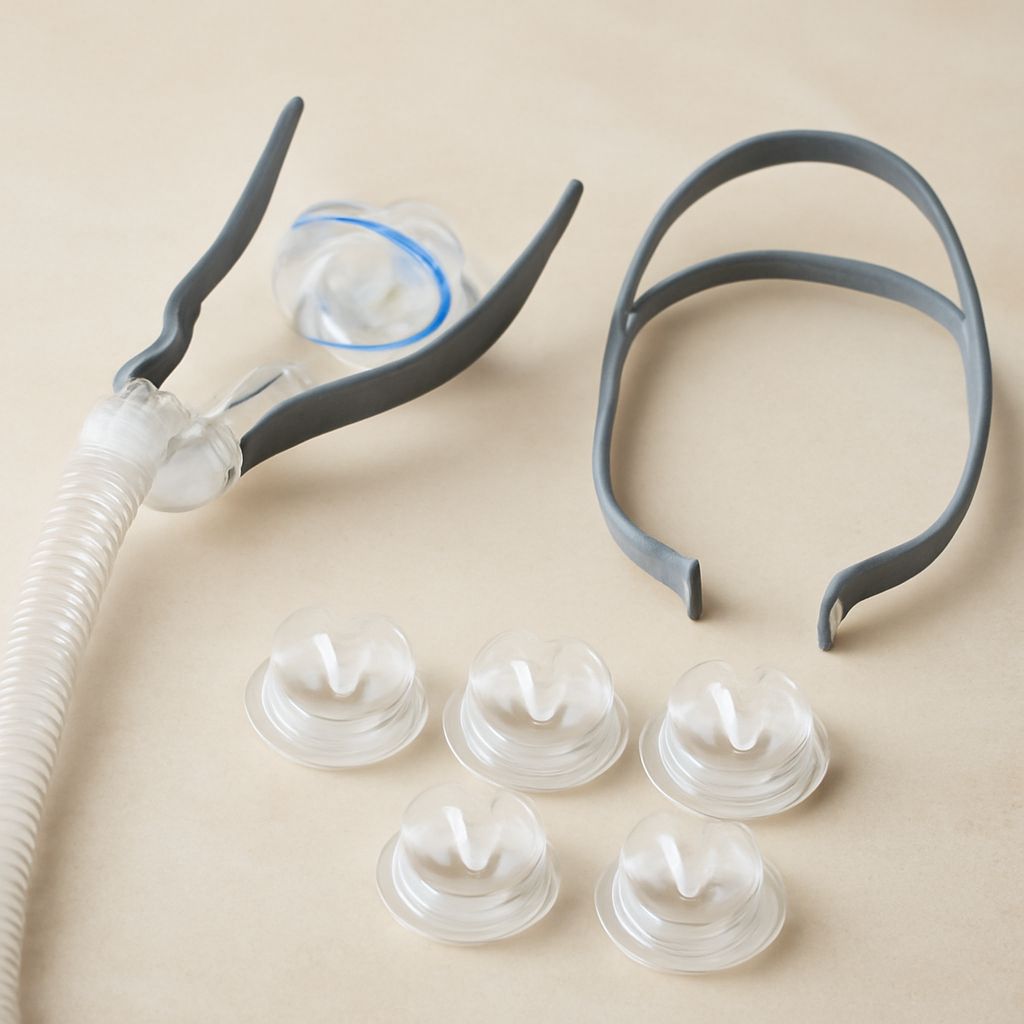
- Mask cushions: every 2 weeks (6 per 6 months)
- Mask frame: every 3 months
- Headgear: every 6 months
- CPAP tubing: every 3 months
- Disposable filters: 2 per month
- Humidifier water chamber: every 6 months
Next steps: Audit current cpap accessories against the replacement schedule, confirm insurance network status before ordering, and consider setting up automatic resupply with a preferred cpap medical supplier to prevent compliance gaps from equipment degradation.