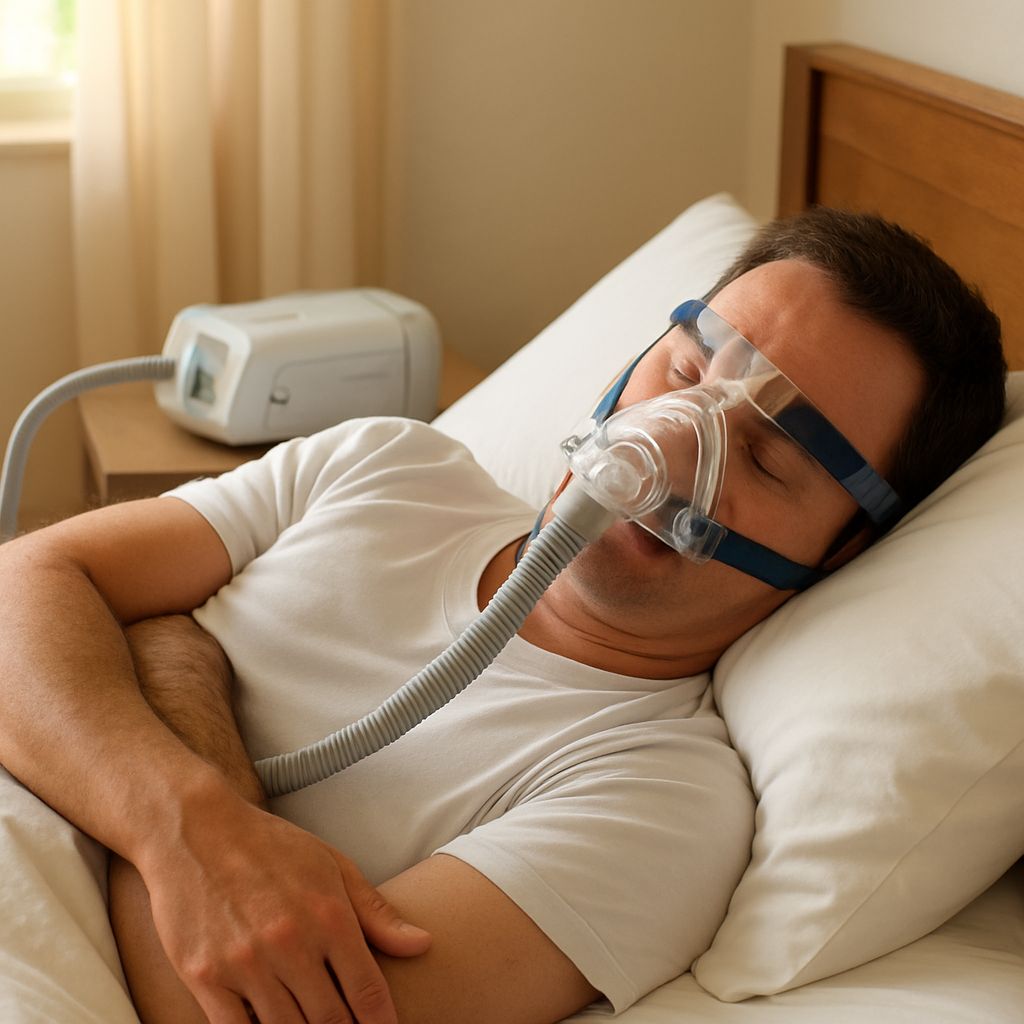
Finding the best oral appliance for sleep apnea depends on apnea severity, jaw anatomy, and how the device fits into an overall treatment plan. The types of sleep apnea machines range from CPAP and bilevel devices to mandibular advancement devices (MADs) and tongue-retaining devices (TRDs) — and understanding which category each product belongs to prevents confusion between prescription-grade devices and consumer products. While herbs for sleep apnea have not demonstrated efficacy in controlled trials for reducing apnea-hypopnea index scores, oral devices backed by clinical research have earned a defined role in treatment guidelines. The full range of over the counter sleep apnea devices includes boil-and-bite MADs, positional pillows, and nasal dilators — all with specific, limited indications. Reading sleep apnea oral appliance reviews without understanding the distinction between FDA-cleared custom devices and generic consumer products leads to unrealistic expectations and potential undertreatment.
This guide separates the device categories by evidence quality and explains what each type can realistically achieve for different apnea presentations.
Mandibular Advancement Devices: What They Do and Who They Suit
Custom vs. Boil-and-Bite Devices
Mandibular advancement devices hold the lower jaw 5 to 10 mm forward of its resting position during sleep, enlarging the retropalatal and retroglossal airway spaces. Meta-analyses consistently show that MAD therapy reduces AHI by 50 percent or more in mild-to-moderate OSA and produces equivalent cardiovascular outcomes to CPAP in patients with AHI below 30. The device works by mechanically preventing the posterior tongue and soft tissue from collapsing into the airway rather than by splinting it open with positive pressure.
Custom-fabricated MADs made by a dentist from dental impressions outperform boil-and-bite over-the-counter versions on every measured outcome: fit stability, jaw pain incidence, compliance rates, and AHI reduction. A systematic review published in Sleep Medicine Reviews found custom devices achieved 42 percent greater AHI reduction than generic thermoplastic devices in head-to-head comparisons. The price difference is significant — $1,500 to $3,000 for a custom device versus $30 to $100 for a consumer MAD — but the therapeutic difference justifies the cost for patients whose apnea severity warrants effective treatment.
Tongue-Retaining Devices, Alternatives, and What Not to Use
Tongue-retaining devices use suction to hold the tongue forward rather than advancing the jaw, making them suitable for patients with temporomandibular joint disorders who cannot tolerate jaw protrusion. Clinical evidence for TRDs is thinner than for MADs, but they show consistent AHI reduction in patients with tongue-base obstruction specifically. The device requires adjustment to suction level over two to four weeks of use; too much suction causes soreness and morning tongue swelling.
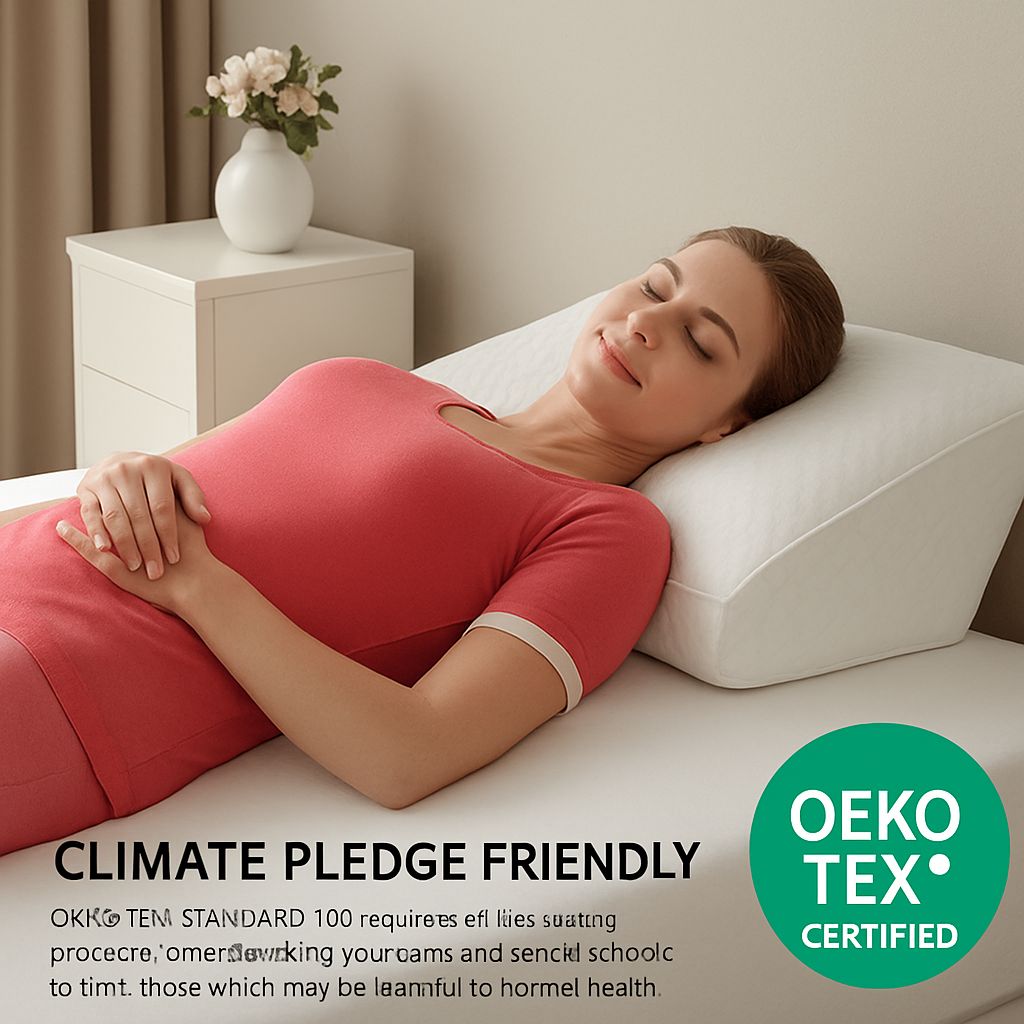
Positional devices — wearable vibrating bands or shaped torso supports — reduce supine sleeping time and are effective specifically in position-dependent OSA, where AHI in the supine position is at least twice the non-supine AHI. These qualify as legitimate over the counter sleep apnea aids for this narrow population but are ineffective for non-positional apnea.
Herbs for sleep apnea — including valerian, chamomile, and passionflower — address sleep quality and anxiety but do not produce measurable changes in AHI, oxygen desaturation index, or arousal frequency. No herbal preparation has achieved FDA clearance as an apnea treatment. Their role, if any, is as adjuncts to improve sleep architecture in patients who already use device therapy.
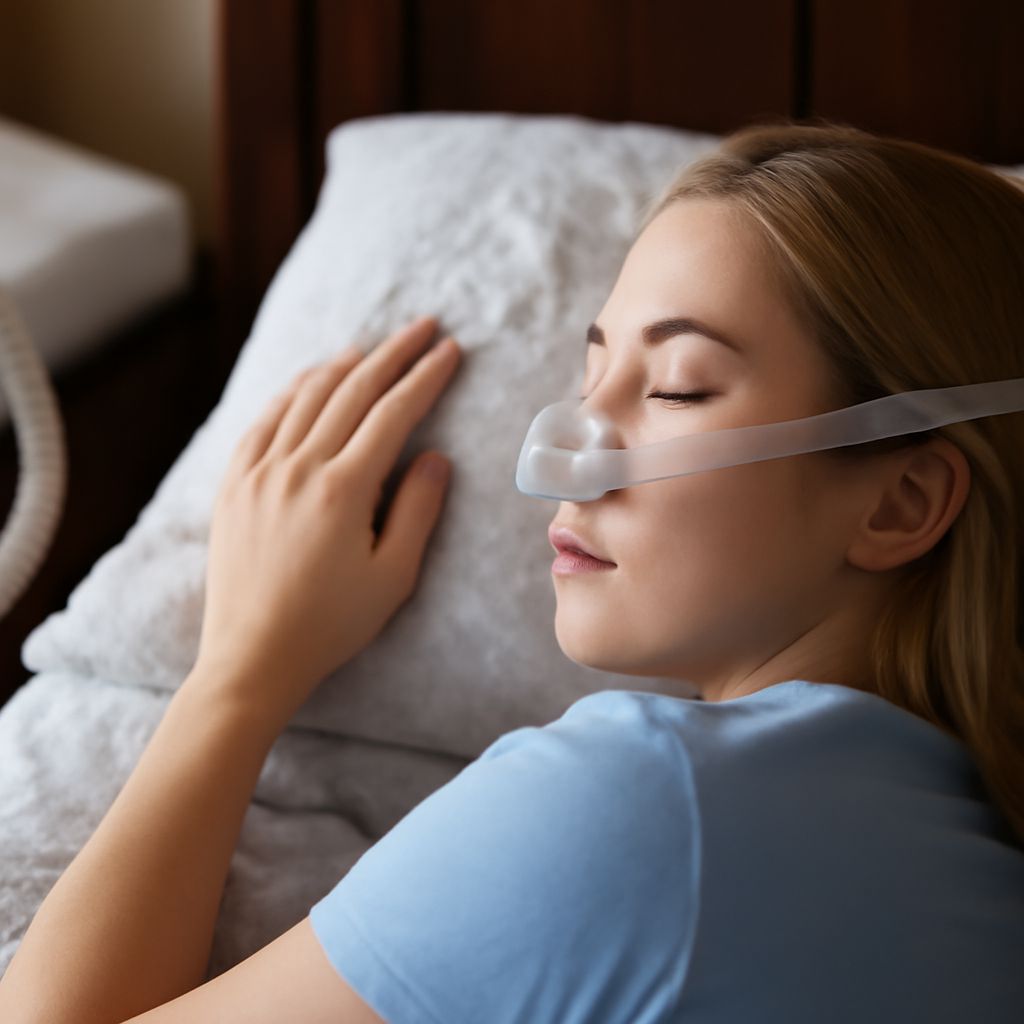
Nasal dilators, chin straps, and anti-snoring mouthpieces marketed as consumer products without FDA clearance for apnea treatment do not constitute treatment. Patients using these instead of prescribed therapy are undertreating their condition.
Bottom line: The best oral appliance for apnea is a custom-fitted mandibular advancement device fabricated by a qualified dentist and titrated over six to eight weeks for patients with mild-to-moderate OSA. Over-the-counter alternatives have limited efficacy, and no herbal remedy has documented apnea-reducing effects. Always confirm device choice with a sleep physician before reducing or replacing CPAP therapy.