For those managing respiratory conditions such as sleep apnea, using a nebulizer can offer significant relief. But what is a nebulizer, and how does it enhance respiratory therapy? By understanding the mechanics of what a nebulizer does, individuals can achieve more effective results and experience improved breathing comfort, especially when the convenience of a portable nebulizer is factored in.
This guide delves into the crucial aspects of nebulizer usage, including practical instructions and tips for selecting the right device. Whether you’re new to using a nebulizer or seeking to optimize its benefits, this comprehensive overview provides valuable insights and actionable advice.
Understanding What a Nebulizer Is
A nebulizer is a medical device designed to deliver medication directly to the lungs through a fine mist. It is particularly beneficial for people with respiratory conditions such as sleep apnea, asthma, or chronic obstructive pulmonary disease (COPD). By converting liquid medication into an aerosol, a nebulizer ensures that the medicine is inhaled deeply into the lungs, where it is most needed.
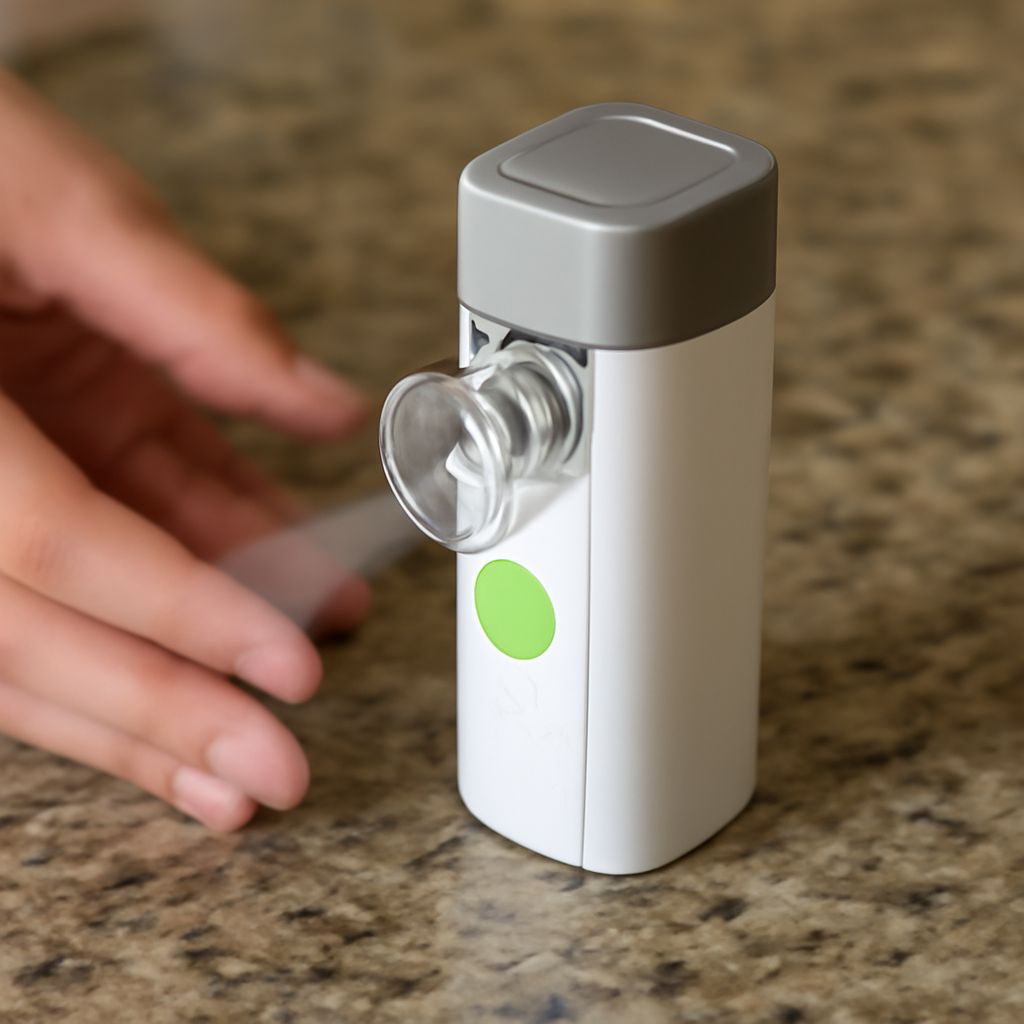
These devices are available in different forms, including tabletop and portable models. While tabletop nebulizers are suitable for home use, portable nebulizers offer the flexibility of treatment on the go, making them a popular choice for active individuals.
What Does a Nebulizer Do and How It Works
The core function of a nebulizer is to transform liquid medication into a mist that can be inhaled via a mouthpiece or mask. When the device is activated, air or oxygen is pumped through the liquid medicine, creating a breathable aerosol. This process allows the medication to reach the respiratory system quickly and efficiently.
Using a nebulizer involves placing the liquid medication into the device’s medicine cup, connecting it to the compressor, and inhaling the mist through the attached mouthpiece. The duration of each session can range from 5 to 10 minutes, depending on the medication and the specific health needs of the patient.
Benefits of Using a Portable Nebulizer
One of the primary benefits of using a nebulizer, especially a portable one, is its convenience. Portable nebulizers are compact and lightweight, enabling users to carry them easily in a bag or purse. This mobility ensures that patients can maintain their treatment regimen without being confined to their homes.
In addition to convenience, portable nebulizers are also user-friendly and often feature battery-powered options, enhancing their practicality for travel or outdoor activities. The rapid delivery of medication helps in alleviating symptoms quickly, which can be particularly beneficial during acute respiratory events.
How to Use a Nebulizer for Effective Results
To maximize the effectiveness of a nebulizer, it is essential to follow proper usage guidelines. Start by thoroughly washing your hands to prevent contamination. Assemble the nebulizer according to the manufacturer’s instructions, ensuring all parts are clean and dry.
Next, measure the prescribed dose of medication and pour it into the nebulizer’s medicine cup. Attach the cup to the nebulizer machine, secure the mouthpiece or mask, and turn on the device. Breathe in slowly and deeply, holding each breath for a few seconds to allow the medication to settle in the lungs.
After the session, disassemble the components and clean them with warm water and mild soap. Regular maintenance is crucial to ensure the longevity and efficiency of the nebulizer.
Choosing the Right Portable Nebulizer for Sleep Apnea
When selecting a portable nebulizer for managing sleep apnea, there are several factors to consider. First, evaluate the device’s portability and convenience features, such as weight, size, and battery life. Devices that offer rechargeable batteries or power adapters can be particularly advantageous for frequent travelers.
Additionally, consider the noise level of the nebulizer. Quieter models provide a more comfortable experience, especially during nighttime use. It is also important to check the compatibility of the nebulizer with the prescribed medications, as some devices may have limitations regarding medication types or concentrations.
Consulting with a healthcare professional can provide personalized recommendations based on specific medical needs and lifestyle preferences. By selecting the right nebulizer, individuals can improve their treatment outcomes and enhance their overall quality of life.