Can a Deviated Septum Cause Sleep Apnea? ADHD, Septum, and Apnea Explained
Can a deviated septum cause sleep apnea? The relationship is real but nuanced. A deviated septum — where the cartilaginous wall dividing the nasal passages is displaced to one side — increases nasal airway resistance, which can contribute to mouth breathing, snoring, and upper airway instability during sleep. However, deviated septum sleep apnea is not a straightforward cause-and-effect relationship: the obstruction site in most obstructive sleep apnea is the pharynx and hypopharynx, not the nose. A deviated septum creates conditions that worsen apnea but is rarely the sole cause.
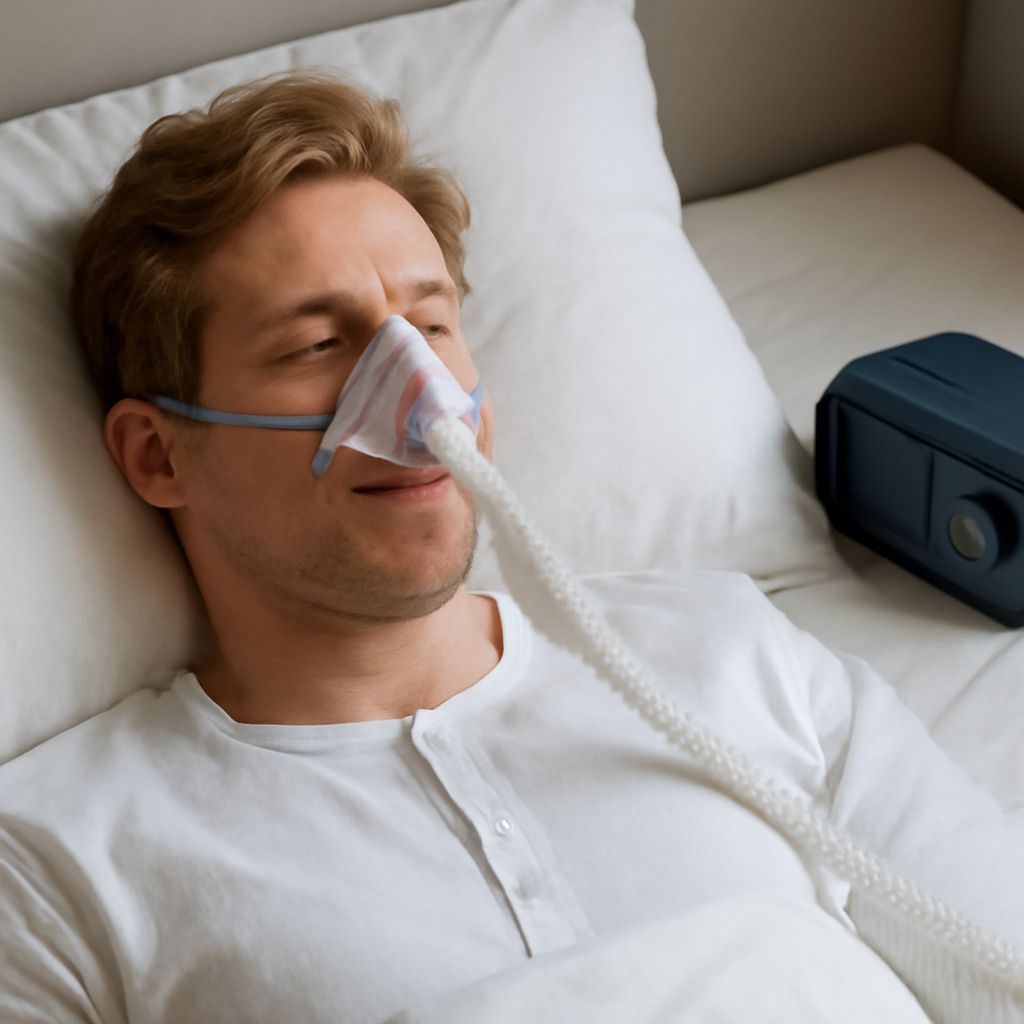
The connection between deviated septum and sleep apnea is best understood as a contributing factor in a multifactorial condition. For patients with both a significant septal deviation and OSA, surgical correction of the septum (septoplasty) may reduce the CPAP pressure required for effective therapy and improve mask comfort by restoring nasal breathing. ADHD and sleep apnea show a bidirectional relationship worth understanding separately: sleep-disordered breathing is significantly more common in people with ADHD, and treating the apnea often reduces ADHD symptom severity. Sleep apnea deviated septum combined represent a surgical evaluation opportunity that may simplify long-term management.
How a Deviated Septum Worsens Sleep Apnea
Nasal obstruction from a deviated septum increases total upper airway resistance. This forces mouth breathing, which has several downstream effects on sleep apnea severity:
- Loss of nasal resistance benefit: Normal nasal breathing provides approximately 50% of total upper airway resistance, which acts as a “back pressure” that helps stabilize the pharyngeal airway. Mouth breathing bypasses this resistance, reducing the stabilizing effect.
- Dry mouth effect: Mouth breathing dries oropharyngeal tissues, reducing their elasticity and increasing pharyngeal collapsibility — the primary mechanism of obstructive apnea.
- Positional worsening: Nasal congestion (compounded by a deviated septum) worsens in the supine position due to vascular engorgement, increasing apnea frequency in patients who are already positional OSA sufferers.
Studies comparing AHI before and after septoplasty in patients with both conditions show AHI reductions of 20–40% in select patients — meaningful but often insufficient to cure moderate-to-severe apnea without additional treatment. Most patients still benefit from CPAP after septoplasty, but at lower pressures and with improved mask comfort.
ADHD and Sleep Apnea: A Bidirectional Relationship
ADHD and sleep apnea co-occur at rates two to four times higher than expected by chance. Several mechanisms explain this overlap:
- Sleep fragmentation from apnea mimics and exacerbates the executive function deficits central to ADHD — impaired sustained attention, working memory, and impulse control all worsen with sleep deprivation.
- Periodic limb movements (PLMs), which frequently co-occur with sleep apnea, are also more common in ADHD, creating a constellation of sleep disturbances.
- Some researchers propose that dopaminergic dysregulation common to ADHD may increase upper airway muscle tone variability, contributing to apnea susceptibility.
The clinical implication is important: treating sleep apnea in a patient with ADHD can produce a 20–40% reduction in ADHD symptom scores (as measured on validated scales like the ADHD Rating Scale IV) within four to eight weeks of CPAP compliance. This effect appears specific to the sleep apnea treatment rather than general sleep improvement, and it is observable even in patients with mild-to-moderate apnea severity.
Evaluation and Treatment of Deviated Septum Sleep Apnea
Patients presenting with sleep apnea deviated septum should receive a comprehensive evaluation that includes:
- Nasal endoscopy to characterize the degree and location of septal deviation and any concurrent turbinate hypertrophy
- Polysomnography to quantify apnea severity and identify the predominant obstruction site (supine vs. non-supine, positional vs. non-positional)
- Assessment of CPAP tolerance — patients with significant nasal obstruction may need heated humidification, full-face mask, or septoplasty before achieving acceptable CPAP compliance
Next steps: If a deviated septum and sleep apnea are both confirmed, an otolaryngology (ENT) consultation for septoplasty evaluation is warranted alongside standard OSA management. Septoplasty combined with CPAP produces better outcomes than either treatment alone in patients with significant anatomical nasal obstruction.