Herbs for Sleep: Natural Remedies for Better Rest
Finding ways to enhance sleep quality can significantly impact overall health and well-being. Homeopathic sleep remedies offer an array of natural solutions to tackle insomnia and related sleep disturbances. By exploring herbs for sleep and employing essential oils for sleep apnea, individuals can create a holistic approach to improving rest. This comprehensive guide delves into how these remedies work and their potential benefits.
Incorporating homeopathy for insomnia as part of a nightly routine can enhance restfulness without the side effects often associated with conventional medications. Discovering and utilizing these natural approaches can pave the way for better sleep hygiene and improved quality of life.
Understanding Sleep Apnea and Its Challenges
What is Sleep Apnea?
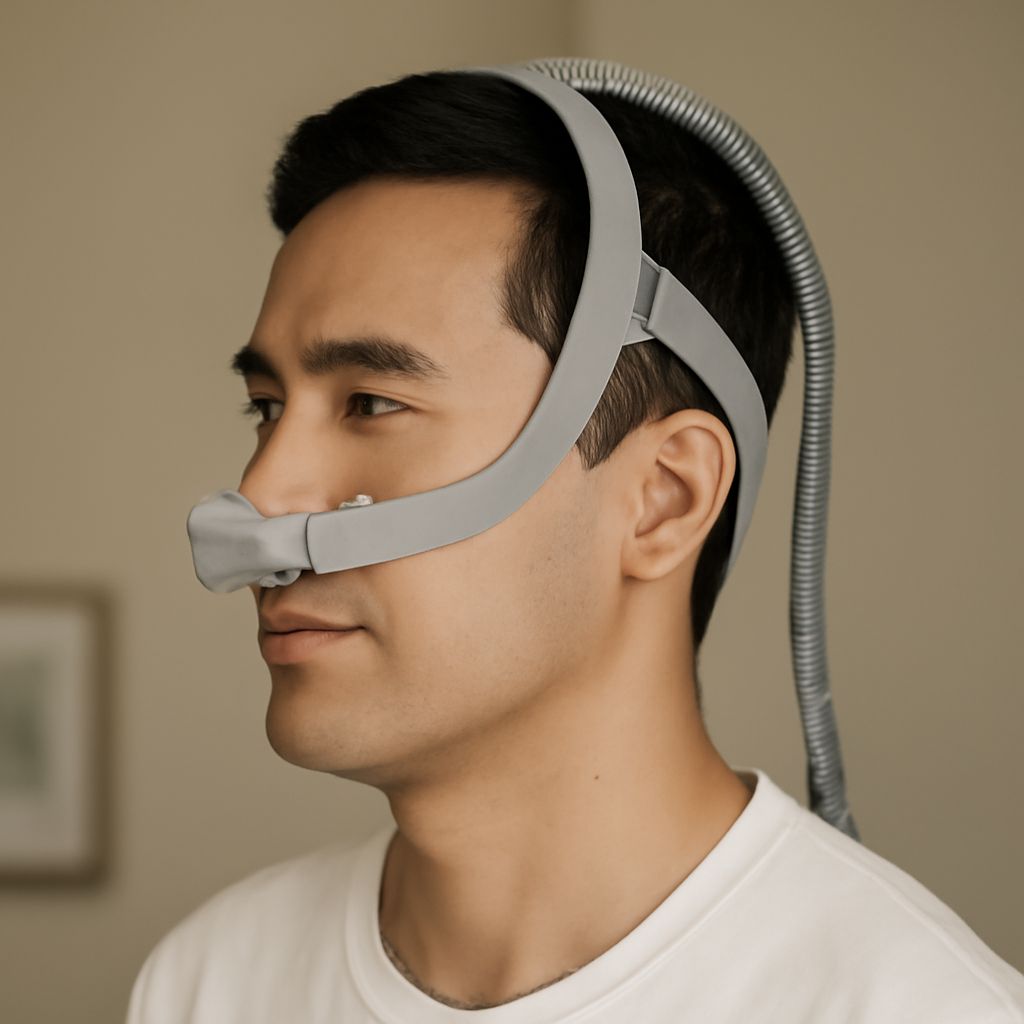
Sleep apnea is a common yet serious sleep disorder characterized by repeated interruptions in breathing during sleep. This condition, often undiagnosed, can lead to various health issues if left untreated. Obstructive sleep apnea, the most prevalent form, occurs when throat muscles intermittently relax and block the airway.
Common Symptoms and Effects
Individuals with sleep apnea experience symptoms like loud snoring, gasping for air during sleep, and daytime fatigue. These interrupted sleep patterns can contribute to poor concentration, mood disturbances, and increased cardiovascular risk. Early recognition and intervention are crucial to manage the symptoms effectively.
Exploring Herbs for Sleep
Top Herbs to Improve Your Sleep
Several herbs have been traditionally used to promote better sleep. Chamomile, known for its calming effects, helps soothe the mind, making falling asleep easier. Valerian root is another popular choice, often utilized for its potential to reduce sleep latency and improve sleep quality.
Lavender, with its pleasant aroma and relaxing properties, is frequently used in aromatherapy to encourage restful sleep. Passionflower aids in reducing anxiety and may contribute to deeper sleep cycles.
How to Use Herbs Safely
When considering herbs for sleep, it is essential to understand proper dosages and possible interactions with medications. Consulting with a healthcare professional can provide personalized guidance. Drinking herbal teas or using essential oils derived from these plants can offer a gentle method to incorporate them into your bedtime routine.
Homeopathic Sleep Remedies and Their Benefits
How Homeopathy for Insomnia Works
Homeopathy for insomnia operates on the principle of “like cures like,” using highly diluted substances to stimulate the body’s natural healing processes. Remedies are tailored to match individual symptoms and overall health profiles, offering a personalized approach to sleep disturbances.
Popular Homeopathic Sleep Remedies
Common homeopathic remedies for sleep issues include Coffea cruda, used to counteract mind racing, and Nux vomica, which may benefit individuals struggling with overwork-induced sleep disturbances. These remedies aim to balance the body’s response and restore natural sleep rhythms.
Using Essential Oils for Sleep Apnea
Best Essential Oil for Sleep Apnea
Essential oils for sleep apnea, such as eucalyptus and peppermint, can aid in opening nasal passages and improving airflow. These oils can be inhaled, used in a diffuser, or applied topically when diluted with a carrier oil.
Tips for Using Essential Oils Effectively
To maximize the benefits of essential oils for sleep apnea, consistency and proper technique are key. Diffusing these oils in the bedroom before bed can create a conducive sleep environment. Always ensure essential oils are high-quality and used safely to avoid any adverse reactions.
Combining Natural Remedies for Optimal Sleep
Creating a Sleep Routine
A comprehensive sleep routine incorporating herbs, homeopathic remedies, and essential oils can significantly enhance rest. Establishing regular sleep-wake times and creating a calming pre-sleep environment are foundational steps.
Monitoring Your Sleep Improvement
Tracking sleep patterns over time helps evaluate the effectiveness of integrated remedies. Using a sleep journal or sleep-tracking device can identify trends and areas for further adjustment. Adjust strategies as needed based on these insights to optimize sleep quality.