Can You Sleep in Compression Socks? Everything You Need to Know
Incorporating compression socks into your sleep routine can offer several advantages, especially if you suffer from poor circulation or leg swelling. While some people find relief, others question the safety and effectiveness of wearing these socks overnight. Understanding the benefits, potential drawbacks, and expert recommendations can help in making an informed decision about whether it’s suitable to sleep in compression socks.
Whether you’re dealing with specific health issues or seeking a preventive approach, understanding the nuances of sleeping with compression socks is essential. This article delves into the pros and cons, offering guidance on when it might be okay to sleep with compression socks on, and what factors to consider for your safety and comfort.
Understanding Compression Socks
What Are Compression Socks?
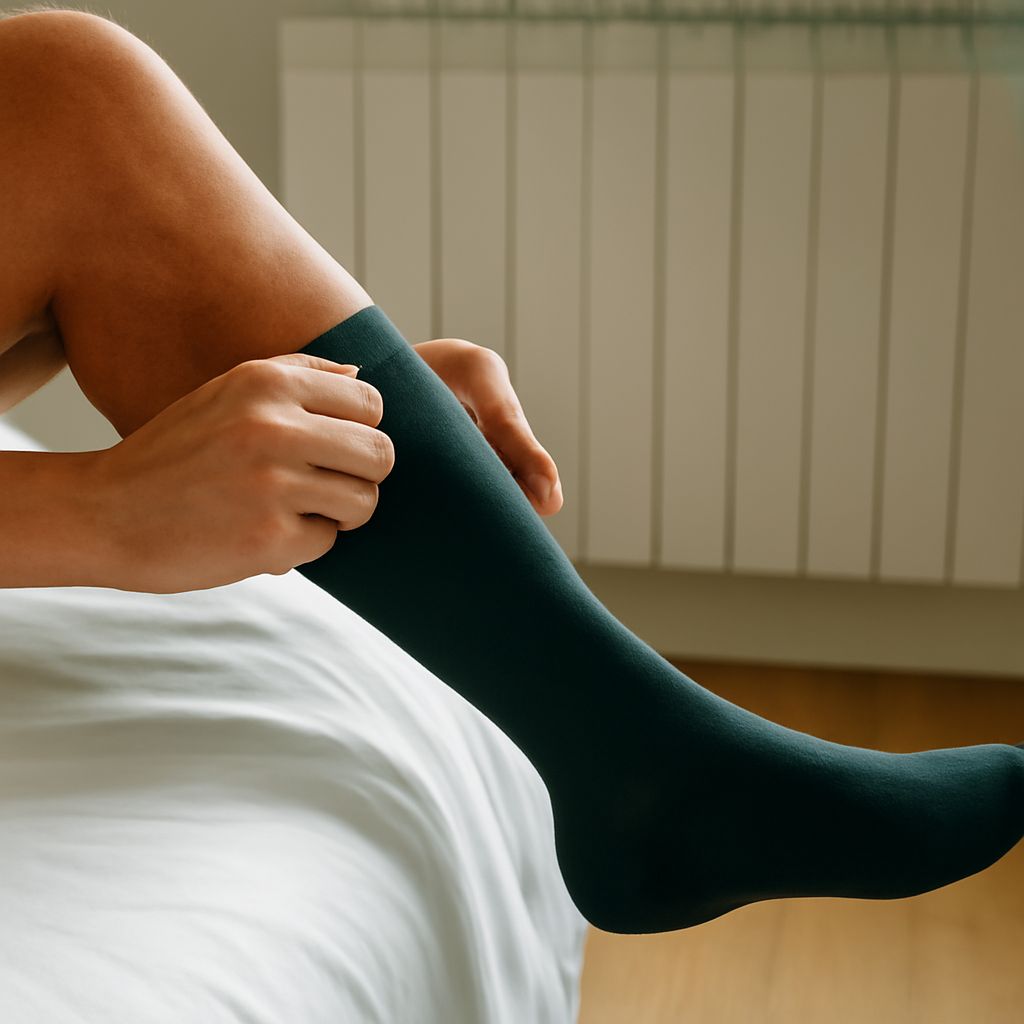
Compression socks are specialized hosiery designed to improve blood circulation in the legs. These socks apply gentle pressure to the lower extremities, which helps to optimize blood flow, reduce swelling, and prevent conditions like deep vein thrombosis. Made from elastic materials, they come in various compression levels to serve different needs.
How Do Compression Socks Work?
The primary function of compression socks is to exert pressure on the veins, muscles, and arteries on the surface of the legs. This compression forces blood to circulate through narrower channels, increasing blood flow to the heart and decreasing pooling of blood in the feet and legs. Wearing these socks during activities like standing or sitting for long periods can significantly benefit circulation.
Can You Sleep in Compression Socks?
Benefits of Sleeping with Compression Socks
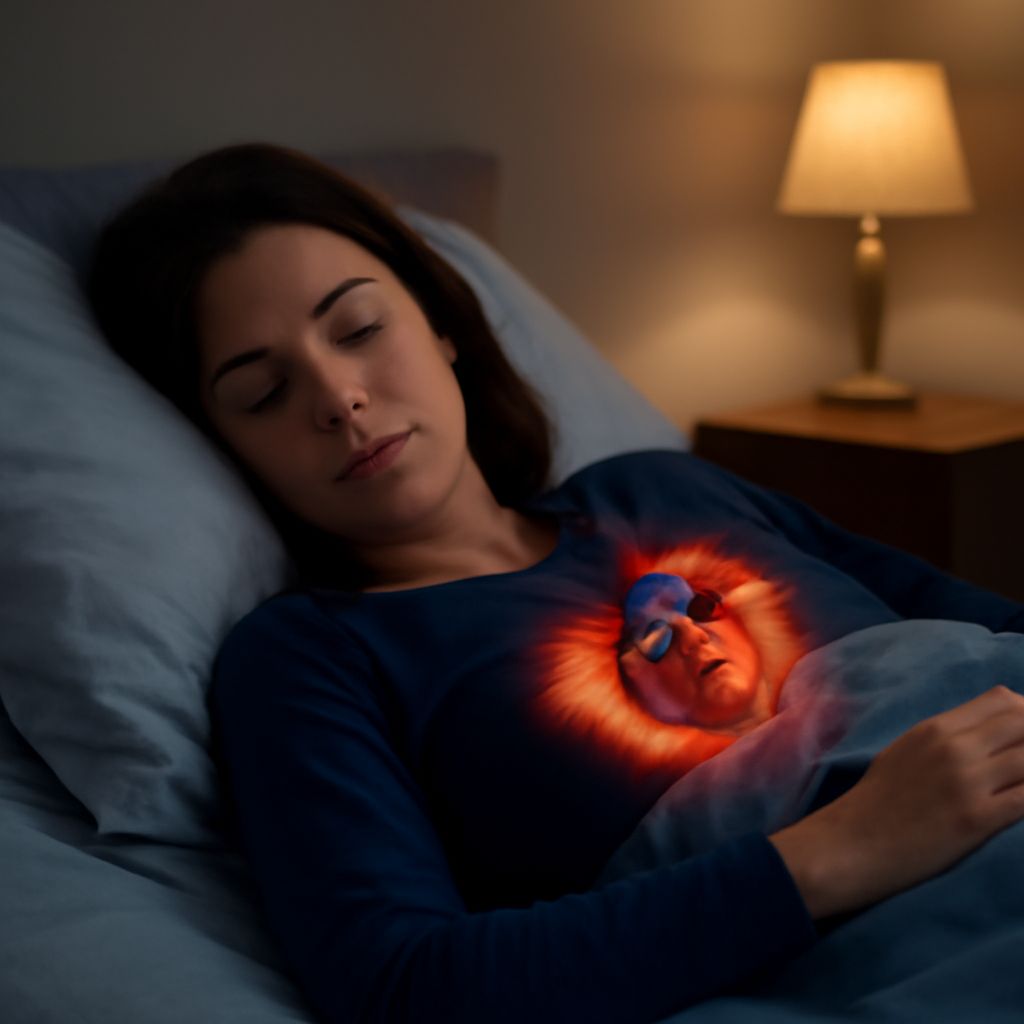
Sleeping with compression socks can be beneficial for individuals who experience chronic swelling or have circulatory issues. They may help reduce leg pain and prevent night-time cramps, offering a more restful sleep. The continuous compression throughout the night can maintain blood flow, reducing the risk of clotting and other circulatory complications.
Potential Risks of Sleeping with Compression Socks
However, it is important to be aware of potential risks. Sleeping in compression socks that are too tight can impede circulation rather than improve it. Skin irritation and pressure sores may also occur if the socks are not properly fitted. Consulting a healthcare provider is recommended to determine if it is appropriate to sleep in compression socks.
Is It OK to Sleep in Compression Socks?
When It Might Be Beneficial
It is generally okay to sleep in compression socks if they are part of a treatment plan prescribed by a healthcare professional. People with certain medical conditions like varicose veins or lymphedema might experience relief and health benefits from wearing these socks overnight, as they aid in reducing fluid retention and discomfort.
When to Avoid Sleeping in Compression Socks
There are circumstances where it might not be advisable to sleep in compression socks. If someone experiences any discomfort, bruising, or increased pain, it may be a sign that the socks are not suitable for night-time wear. Additionally, those with peripheral neuropathy or other nerve-related issues should be cautious, as they might not notice if the socks are too tight or causing harm.
Tips for Sleeping with Compression Socks
Choosing the Right Compression Level
Selecting the appropriate compression level is crucial for safety and effectiveness. Compression socks come in various levels, measured in mmHg (millimeters of mercury). A healthcare provider can recommend the right level based on individual needs, which typically range from mild (8-15 mmHg) to moderate (15-20 mmHg) or firm (20-30 mmHg).
Ensuring Comfort and Safety
For optimal comfort and safety, ensure that the socks fit snugly without being too tight. Check for any signs of irritation or discomfort regularly. Gradually increasing the duration of wear can help the body adjust. Additionally, ensure the material is breathable to prevent moisture buildup, which can lead to skin irritation.