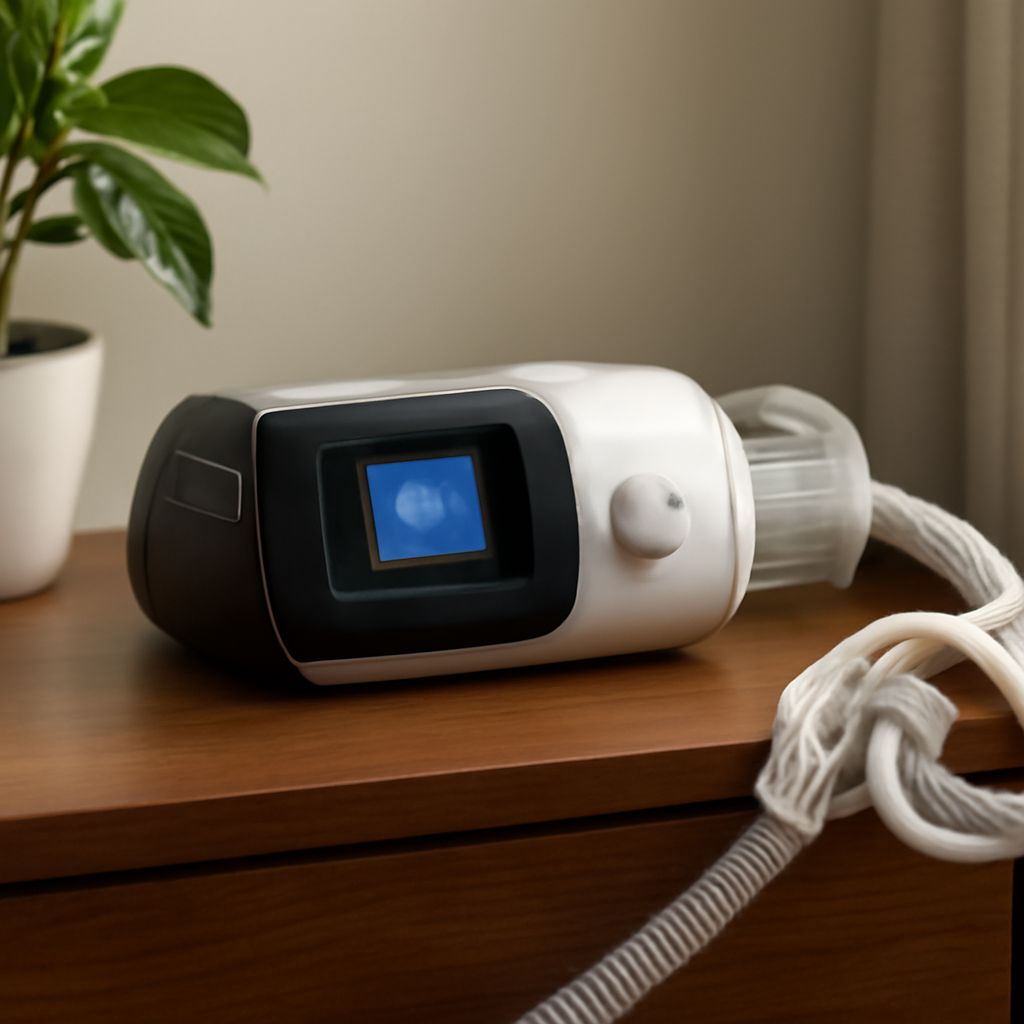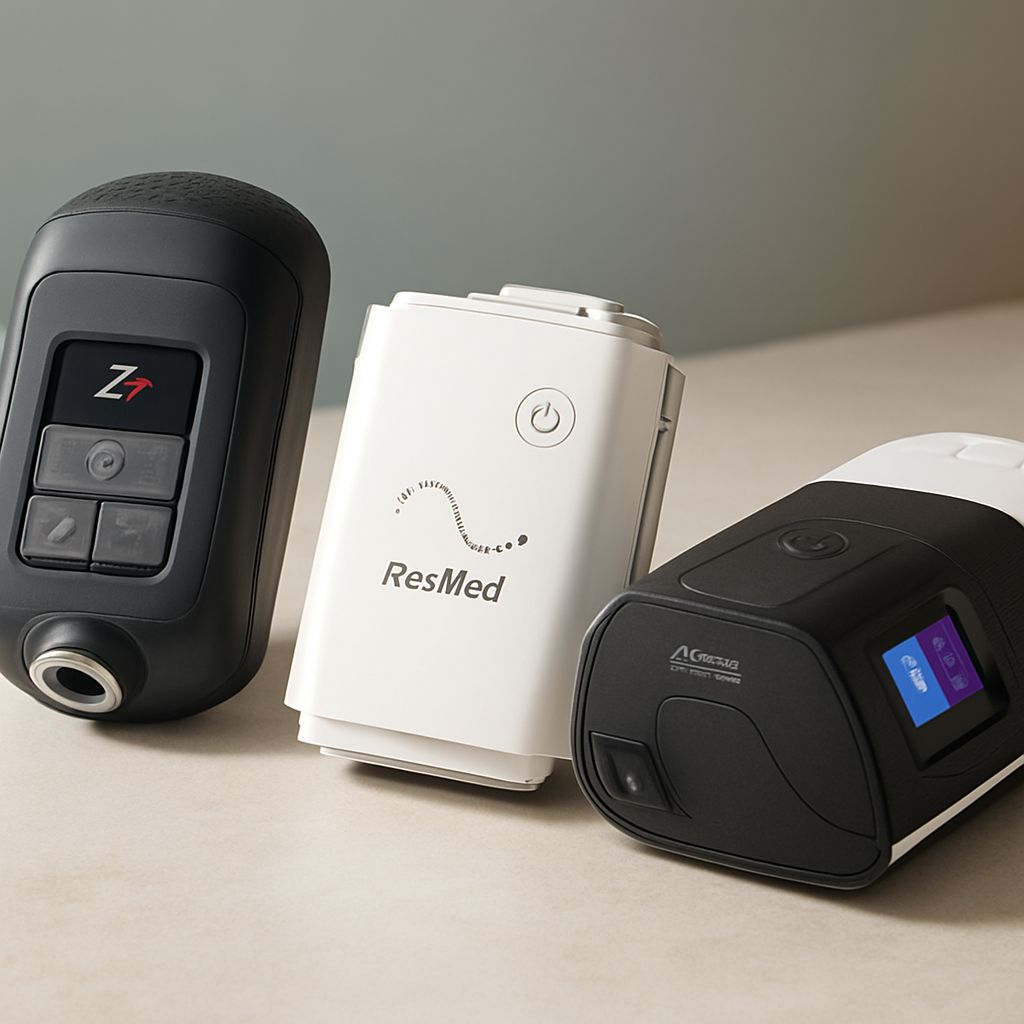
A cpap power supply question comes up most often for travelers and people in areas with unreliable electricity, where access to standard 120V or 220V wall outlets cannot be guaranteed. A replacement or travel cpap power cord must match the machine’s input voltage range precisely, as using an incompatible cord risks damaging the power regulation circuitry. A portable power supply for cpap machine use — typically a battery pack or DC converter — extends therapy access to camping, boating, and power outage scenarios. Separately, cpap pneumonia is a recognized complication that occurs when water from a contaminated humidifier reservoir or condensation in the circuit tubing is aspirated during therapy. Cpap and pneumonia risk is directly related to humidifier and tube hygiene practices, and understanding both power supply options and infection prevention helps users maintain therapy safely in varied settings.
This guide covers power supply types for travel and emergency use, then addresses humidifier hygiene and the pneumonia risk reduction steps clinicians recommend.
Power Supply Options for Travel and Emergencies
Battery Packs and DC Converters
Dedicated CPAP battery packs are sized to provide one to three nights of therapy at prescribed pressure without humidification. Humidification typically doubles power draw, so disabling the humidifier during battery-powered use is standard advice and often extends runtime from one night to two on the same charge. The Medistrom Pilot-24 Lite and the CPAP.com Travel Battery are among the most commonly used dedicated units, both supporting 24V DC input that newer ResMed and Philips Respironics machines use natively.
A cpap power cord for DC operation — a 12V or 24V car adapter cable — connects the machine to a vehicle’s 12V port or a portable power station. Most modern CPAP machines accept 12V DC directly through a barrel connector when the appropriate manufacturer adapter is used; using third-party cables without verifying the correct polarity and connector size risks machine damage. A portable power supply for cpap machine use via a standard lithium power station (such as a Jackery 240 or similar) can run the machine through its AC inverter port with the standard power cord, though this is less efficient than direct DC connection.
CPAP Pneumonia: How It Happens and How to Prevent It
Cpap pneumonia arises from two distinct routes. Aspiration pneumonia occurs when water droplets from a contaminated humidifier or condensed water in the hose enter the lungs during an apnea event or arousal gasp. Bacterial pneumonia occurs when organisms colonizing the humidifier water or tubing are carried by the airstream into the lower respiratory tract over repeated therapy nights. Pseudomonas aeruginosa and non-tuberculous mycobacteria have been cultured from poorly maintained CPAP humidifiers in clinical case reports.
The cpap and pneumonia risk pathway is primarily a hygiene problem. Humidifier chambers should be rinsed with distilled water daily and washed with mild dish soap weekly. Tap water use in the humidifier is a documented risk factor for scale buildup and bacterial growth. Tubing should be washed weekly and replaced every 3 months; condensation in the tube (called rainout) is prevented by a heated tube or by running the hose under bedding to reduce temperature differential between the warm humidified air and the ambient bedroom temperature.
Masks, cushions, and headgear contact skin and nasal secretions daily. Daily rinse and weekly soap wash of the mask interface reduces the bacterial load that can enter the circuit during therapy. Mask cushions should be replaced every 30 days as silicone degrades and harbors more organisms as it ages.
Bottom line: a cpap power supply solution exists for virtually every travel or emergency scenario, from dedicated battery packs for multi-night camping to car adapter cables for vehicle-based therapy. Cpap pneumonia is preventable through consistent daily and weekly hygiene routines that take under 5 minutes per day and protect the lower respiratory tract from organisms that otherwise accumulate quickly in warm, moist circuits.