Why do my hips hurt when I sleep is a question that comes up most often among side sleepers, pregnant women, and people over 40. The hip contains the largest ball-and-socket joint in the body, and that joint, along with the surrounding bursae, tendons, and iliotibial band, is vulnerable to compression and friction when the body stays in one position for hours. Hip pain while sleeping almost always traces back to one of a small set of mechanical or inflammatory causes, most of which are manageable with position changes, equipment adjustments, or targeted treatment.
Hips hurt when sleeping in a pattern that worsens over weeks is usually bursitis, IT band tightness, or trochanteric pain syndrome, not joint degeneration. Hip pain sleeping that begins acutely after a change in mattress, sleep position, or activity level is nearly always positional. Hips hurt while sleeping bilaterally, meaning both sides at once, often points to a systemic cause like fibromyalgia or inflammatory arthritis rather than a local mechanical issue.
Common Causes of Hip Pain While Sleeping
Greater trochanteric bursitis is the most common source of hip pain while sleeping. The greater trochanter is the bony prominence on the outer hip, and a fluid-filled bursa sits between it and the iliotibial band. Prolonged side sleeping compresses this bursa against the mattress, causing inflammation that produces sharp, localized pain on the outer hip that wakes people during the night. The pain is often worst between 2 and 4 AM when inflammation peaks, and it may ease after standing and walking for a few minutes.
Osteoarthritis of the hip joint produces a different quality of pain than bursitis. Arthritic hip pain is typically felt in the groin or front of the hip rather than the outer side. It is stiff and dull rather than sharp, and it takes 20 to 30 minutes of movement to ease after waking. Hip pain sleeping bilaterally with morning stiffness lasting more than 45 minutes warrants a physician evaluation to rule out inflammatory arthritis such as rheumatoid arthritis or ankylosing spondylitis.
Piriformis syndrome causes deep buttock pain that radiates down the back of the thigh. The piriformis muscle sits over the sciatic nerve, and when it is tight or inflamed, sustained hip flexion during side sleeping aggravates it. People who notice hips hurt when sleeping on the side they typically favor for sitting, such as those who spend long hours driving, are more likely to have piriformis involvement than bursitis.
Mattress and Position Factors in Hip Pain Sleeping
Mattress firmness directly affects how much pressure the greater trochanter absorbs. A mattress rated below 5 on a 10-point firmness scale, or one that shows more than 3 inches of hip sinkage, allows the pelvis to drop too low relative to the shoulders, rotating the lumbar spine and increasing tension on the hip abductors and IT band. The opposite problem occurs on a too-firm mattress: the trochanter sits on a hard surface for the entire night with no cushioning. Medium-firm mattresses in the 4 to 6 range distribute hip pressure more evenly and are associated with lower hip pain sleeping rates in side sleepers across multiple sleep studies.
Practical Solutions for Hips That Hurt While Sleeping
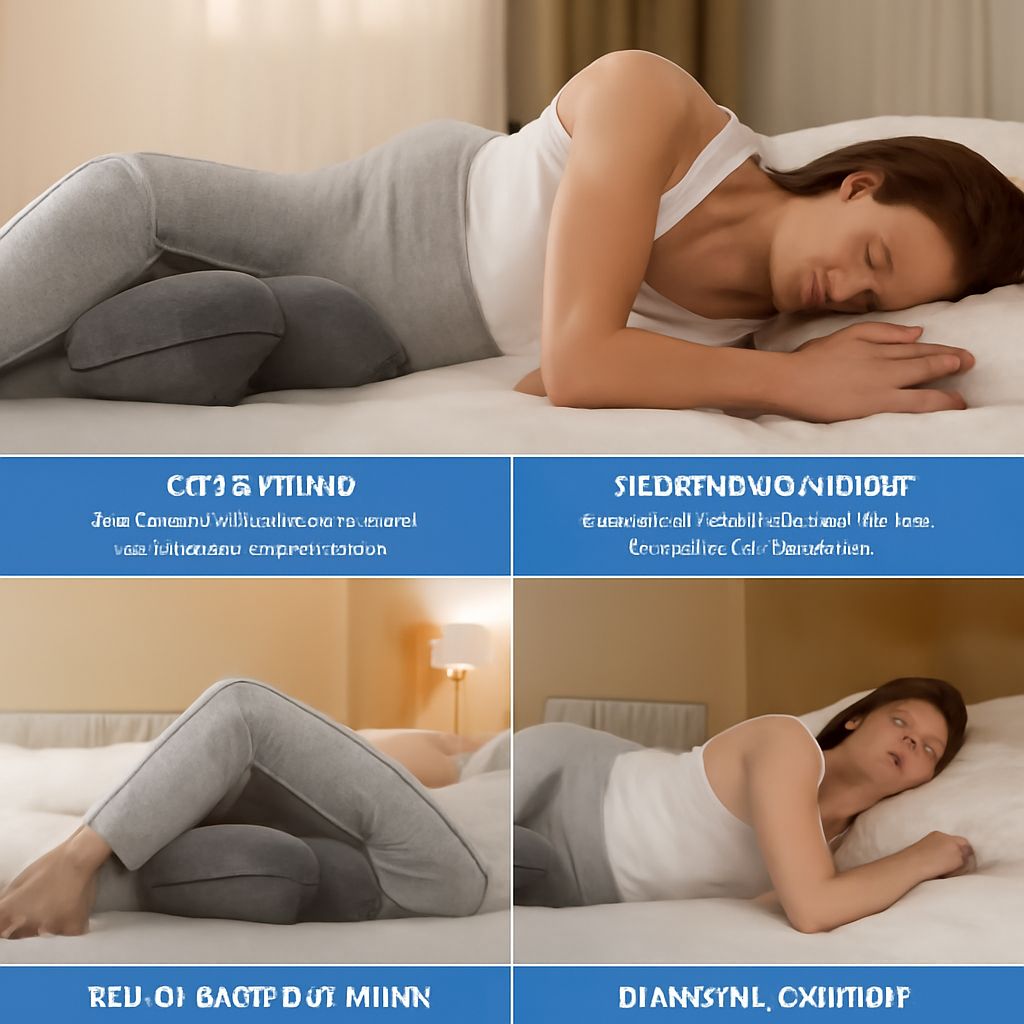
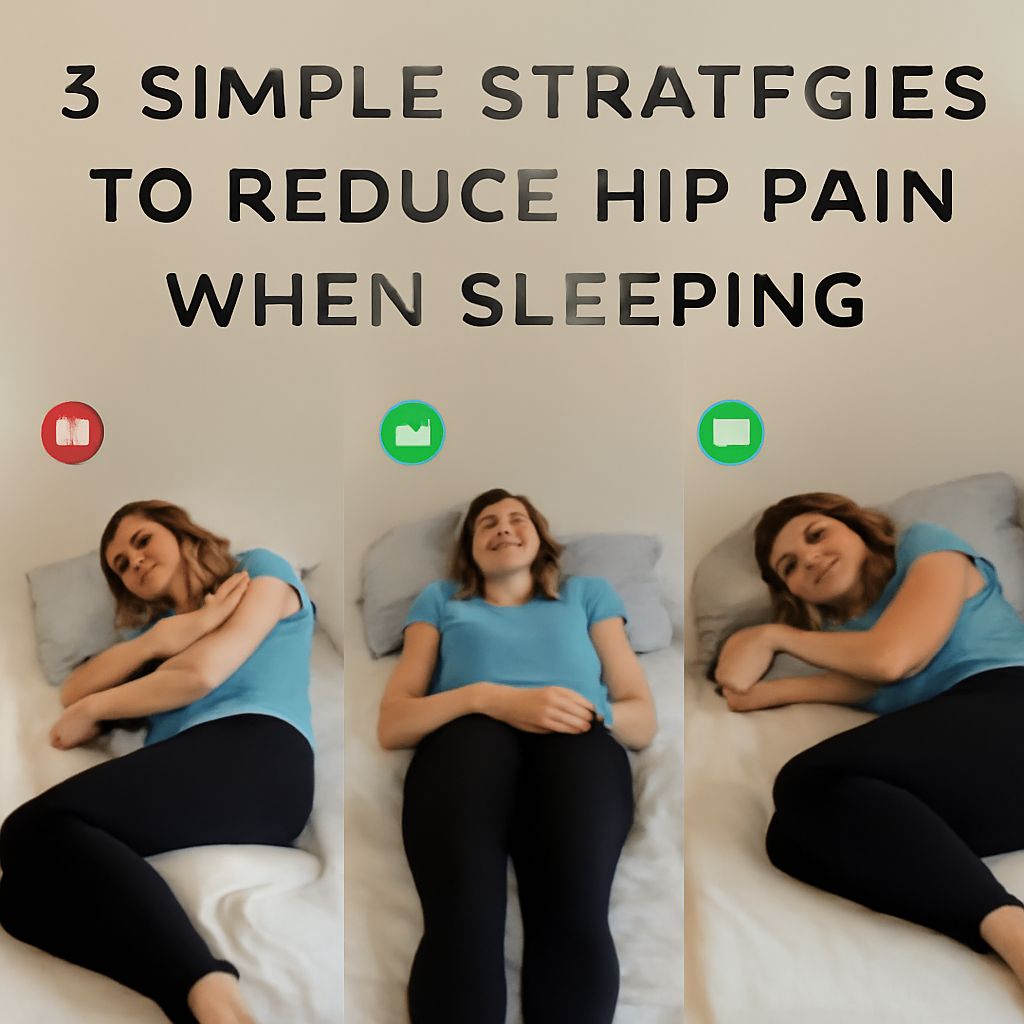
Placing a pillow between the knees is the most effective single position adjustment for lateral hip pain. The pillow keeps the pelvis level by preventing the top leg from adducting and pulling the IT band across the greater trochanter. Use a pillow thick enough to hold the knees at hip width, approximately three to four inches for most adults. A wedge pillow designed for this use maintains its position better through the night than a standard pillow and provides more consistent relief.
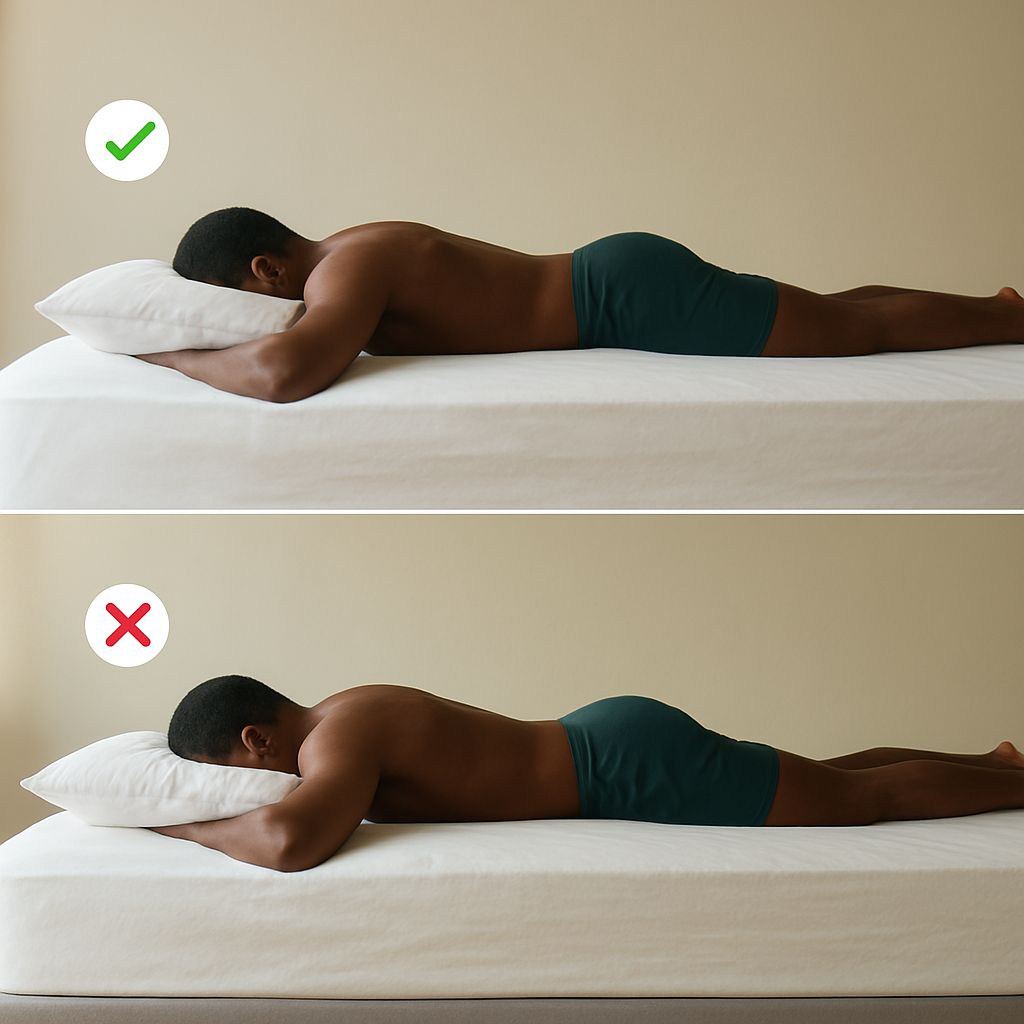
For people whose hips hurt while sleeping on the same side every night, alternating sides reduces cumulative loading on the affected bursa. Starting the night on the less painful side, then allowing natural position changes during sleep, distributes pressure across both hips rather than concentrating it on one. A body pillow placed in front of the torso makes it easier to maintain the preferred position without actively rolling.
A foam roller or tennis ball used on the IT band and piriformis for five to ten minutes before bed reduces soft tissue tension that accumulates during the day. Rolling the IT band from the hip to the knee in slow passes over two to three minutes at each spot, holding for 30 seconds on any tender point, measurably reduces tissue stiffness within a single session. Consistent nightly use over two to three weeks produces sustained improvement in hip pain sleeping scores for most people with trochanteric bursitis and IT band tightness.
Bottom line: Hip pain while sleeping is almost always addressable without medical intervention when the cause is positional. A knee pillow, appropriate mattress firmness, and a nightly soft tissue release routine address the three most common mechanical factors. If hip pain sleeping persists beyond three weeks despite these changes, or if it includes groin pain, a catching or grinding sensation, or inability to bear weight, a physician evaluation is appropriate.