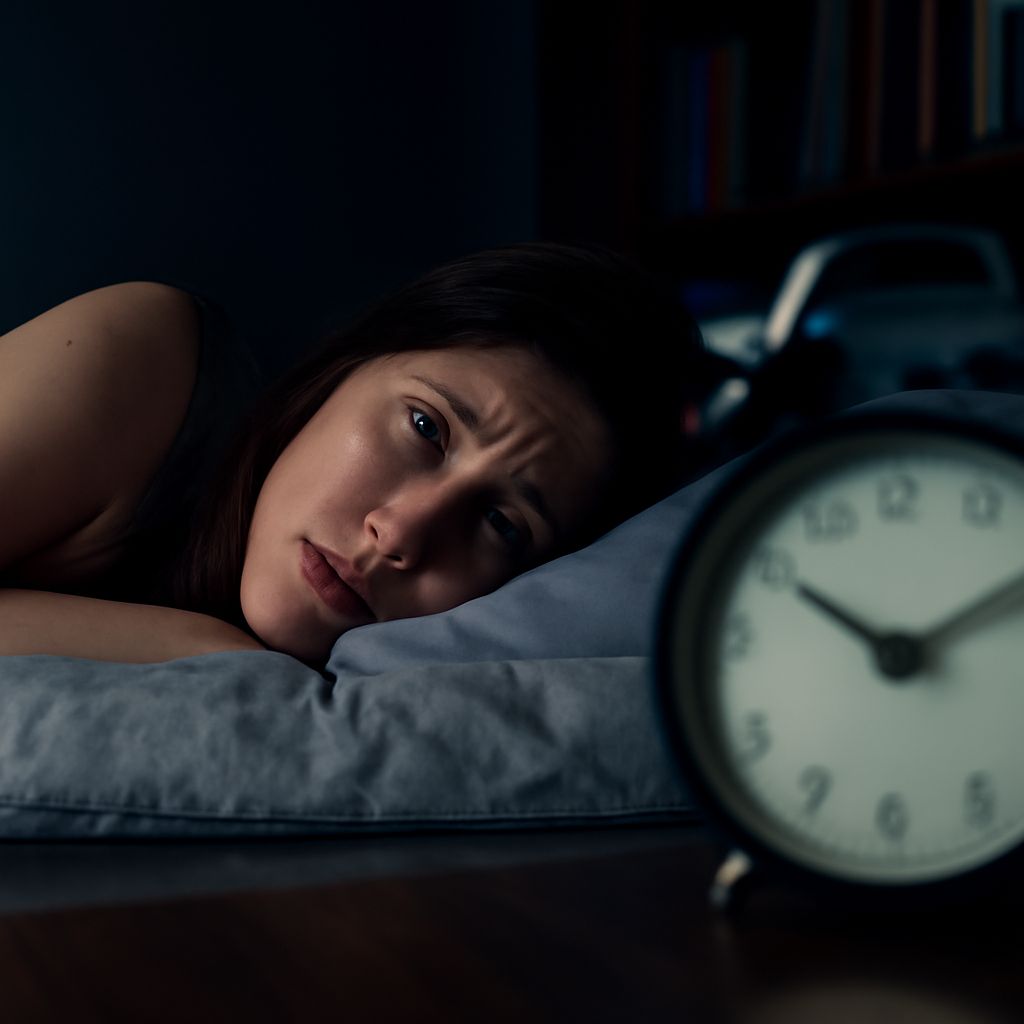
Gabapentin for sleep is an off-label use of a medication primarily approved for epilepsy, nerve pain, and restless legs syndrome. Does gabapentin help you sleep? For many people with specific conditions, yes. It reduces sleep onset time, increases slow-wave sleep, and decreases nighttime awakenings in people whose insomnia is driven by nerve pain, alcohol withdrawal, or anxiety-related arousal. Gabapentin for insomnia works differently from traditional sleep aids: rather than sedating through GABA-A receptor activation like benzodiazepines, it binds to voltage-gated calcium channels and modulates excitatory neurotransmitter release.
Gabapentin insomnia treatment is most appropriate when a physician identifies a coexisting condition that gabapentin addresses simultaneously, such as painful neuropathy preventing sleep, restless legs syndrome, or anxiety. Using gabapentin and sleep quality improvement as the sole rationale for the prescription is less supported by evidence than using it for dual-purpose treatment. Gabapentin and sleep interactions are real and clinically useful in the right context, but the drug’s side effects and tolerance profile make it unsuitable as a first-line sleep aid for uncomplicated insomnia.
How Gabapentin Affects Sleep Architecture
Gabapentin for sleep increases the proportion of time spent in slow-wave sleep (stages 3 and 4), which is the most physically restorative sleep stage. In controlled studies of healthy volunteers taking 1,800 mg of gabapentin the night before, slow-wave sleep increased by approximately 18% compared to placebo. In people with primary insomnia, does gabapentin help you sleep in terms of total sleep time? Studies show an average increase of 25 to 35 minutes of total sleep and a reduction in wake after sleep onset (WASO) of 20 to 30 minutes at doses of 250 to 600 mg taken before bed.
The slow-wave sleep enhancement makes gabapentin for insomnia particularly useful for people who wake feeling unrefreshed despite an adequate total sleep duration. If polysomnography shows normal sleep quantity but reduced slow-wave percentage, gabapentin may improve sleep quality without simply adding sedation time. This distinguishes it mechanistically from zolpidem and benzodiazepines, which suppress slow-wave sleep rather than promoting it.
Dosing and Timing for Gabapentin and Sleep
Gabapentin insomnia doses typically range from 100 to 600 mg taken 30 to 60 minutes before bed. Lower doses, 100 to 300 mg, are used for patients who are gabapentin-naive or who have low body weight. Higher doses, 300 to 600 mg, apply to patients with concurrent neuropathic pain or restless legs syndrome where the pain threshold benefit overlaps with the sleep benefit. Gabapentin and sleep quality improvement follows a dose-response curve up to approximately 600 mg; doses above that do not reliably improve sleep further for most people and increase daytime grogginess.
Risks and Considerations for Gabapentin for Sleep
Physical dependence develops with regular use. Abrupt discontinuation after weeks of nightly gabapentin insomnia use causes withdrawal symptoms including anxiety, insomnia rebound, sweating, and in rare cases, seizures. Tapering over two to four weeks is standard when stopping after extended use. This dependency profile makes gabapentin for sleep a treatment that requires physician oversight rather than casual OTC-style use.
Daytime sedation is the most common side effect reported at insomnia doses. People taking gabapentin for sleep should avoid driving or operating machinery for the first two to three days of use until individual response is established. Combining gabapentin with alcohol significantly increases CNS depression and respiratory depression risk; this combination should be avoided. Elderly patients are more sensitive to gabapentin’s sedating effects and are at higher risk for falls, a consideration that limits its use in patients over 65.
Pro tips recap: Gabapentin for sleep works best when there is a coexisting condition it addresses simultaneously. Use 100 to 600 mg taken 30 to 60 minutes before bed under physician guidance. Does gabapentin help you sleep long-term? For most people, it is most appropriate as a bridge treatment of weeks to months rather than indefinite nightly use. Track sleep quality changes using a basic sleep diary and report ongoing grogginess to the prescriber, as dose adjustment often resolves this without sacrificing the sleep benefit.