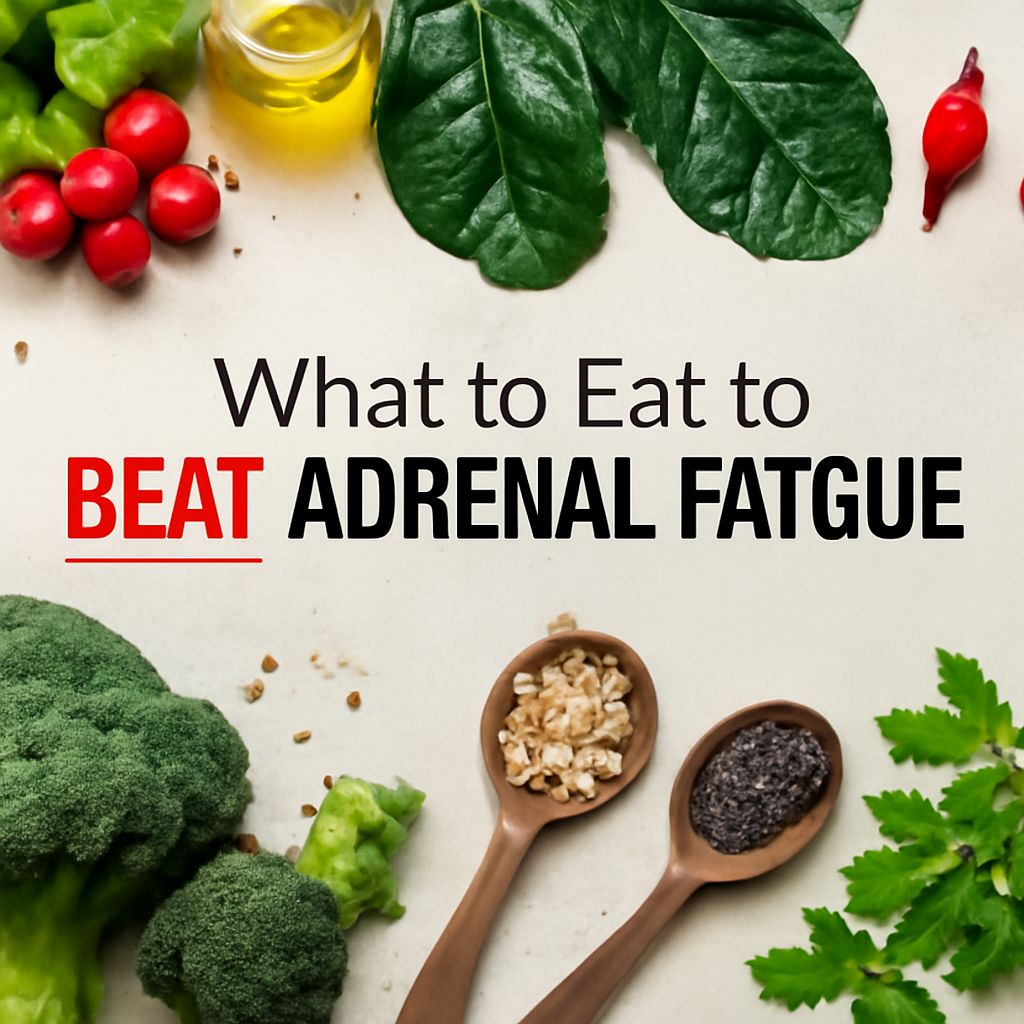
The adrenal fatigue diet is a nutritional approach designed to reduce the demand on the adrenal glands, stabilize cortisol patterns, and support recovery from the chronic exhaustion, brain fog, and energy dysregulation that characterize adrenal dysfunction. Foods for adrenal fatigue focus on blood sugar stability above all else, since cortisol spikes and crashes are directly connected to glucose swings throughout the day. A diet for adrenal fatigue removes the processed carbohydrates and sugar that create these swings and replaces them with fiber-rich whole foods, quality proteins, and healthy fats that flatten the blood sugar curve.
An adrenal fatigue diet plan is not a single prescription but a set of principles that can be applied within different dietary patterns, including Mediterranean, paleo, and whole-food plant-based frameworks. What matters most is timing, food quality, and consistency, not adherence to any specific branded protocol. Adrenal fatigue treatment diet changes take four to twelve weeks to produce measurable improvements in energy and cortisol patterns, which makes patience and tracking important from the start.
Core Principles of Foods for Adrenal Fatigue
Blood sugar stabilization is the first priority. The adrenal glands secrete cortisol as a counter-regulatory hormone whenever blood glucose drops. People with adrenal dysfunction already have disrupted cortisol rhythms; adding frequent blood sugar crashes from skipped meals or high-sugar foods forces additional cortisol output that the glands cannot sustain. The adrenal fatigue diet addresses this by anchoring three meals per day at consistent times, beginning breakfast within 30 to 60 minutes of waking to prevent the cortisol spike that follows an extended fast after overnight sleep.
Each meal on a diet for adrenal fatigue should include protein (20 to 30 grams), complex carbohydrates from whole sources like sweet potato, quinoa, or brown rice, and a source of fat such as avocado, olive oil, or nuts. This combination slows gastric emptying and produces a gradual, sustained glucose release rather than a spike-and-crash pattern. Snacks, if needed, should follow the same protein-fat-carbohydrate structure. A handful of almonds with an apple provides a better blood sugar response than crackers or fruit alone.
Specific Foods for Adrenal Fatigue Worth Prioritizing
Sea salt in moderate amounts supports adrenal health because aldosterone, an adrenal hormone, regulates sodium balance. People with adrenal fatigue often experience low aldosterone, which causes sodium wasting and the symptoms of lightheadedness, salt cravings, and low blood pressure. Using unrefined sea salt or Himalayan pink salt on food, rather than restricting salt entirely, addresses this. The caveat: individuals with hypertension should discuss sodium intake with their doctor before increasing it.
Vitamin C-rich foods support cortisol synthesis directly since the adrenal cortex has the highest concentration of vitamin C of any organ. Bell peppers contain three times the vitamin C of oranges per gram. Citrus fruits, strawberries, kiwi, and broccoli also rank high. Magnesium-rich foods, including leafy greens, pumpkin seeds, dark chocolate (70% or higher), and legumes, support the enzymatic reactions involved in cortisol regulation and nervous system calming. Adaptogenic foods like ashwagandha (in tea or supplement form), rhodiola, and holy basil have clinical evidence for reducing cortisol output under stress, though the evidence base for severe adrenal fatigue specifically remains limited.
Building a Practical Adrenal Fatigue Diet Plan
A basic adrenal fatigue diet plan starts with the meal structure described above and adds two specific practices: eating a small protein-containing snack before bed to prevent the nocturnal cortisol surge that occurs when blood sugar drops too low during sleep, and eliminating or minimizing caffeine before noon to avoid artificial cortisol stimulation that masks fatigue without addressing it.
Caffeine deserves specific attention in adrenal fatigue treatment diet planning. Caffeine stimulates cortisol production directly and can delay the natural cortisol morning peak by two to three hours when consumed upon waking, disrupting the circadian cortisol rhythm that is already impaired in adrenal dysfunction. If complete caffeine elimination is not feasible, shifting the first cup to after 10 AM and limiting total intake to one to two cups daily reduces cortisol disruption while allowing a gradual tapering process. Switching partially to green tea, which contains L-theanine alongside caffeine and produces a less acute cortisol response, is a practical middle step.
A sample three-day adrenal fatigue diet plan might include eggs with vegetables and whole-grain toast for breakfast, a mid-morning snack of Greek yogurt with berries, a lunch of grilled chicken over roasted sweet potato and leafy greens with olive oil, an afternoon snack of almond butter with apple slices, and a dinner of salmon with quinoa and steamed broccoli. Each meal takes under 30 minutes to prepare and meets the protein-fat-carbohydrate balance without requiring specialty foods. Adrenal fatigue treatment diet results are cumulative: three days is a start, but the measurable payoff comes after eight to twelve weeks of consistent adherence.