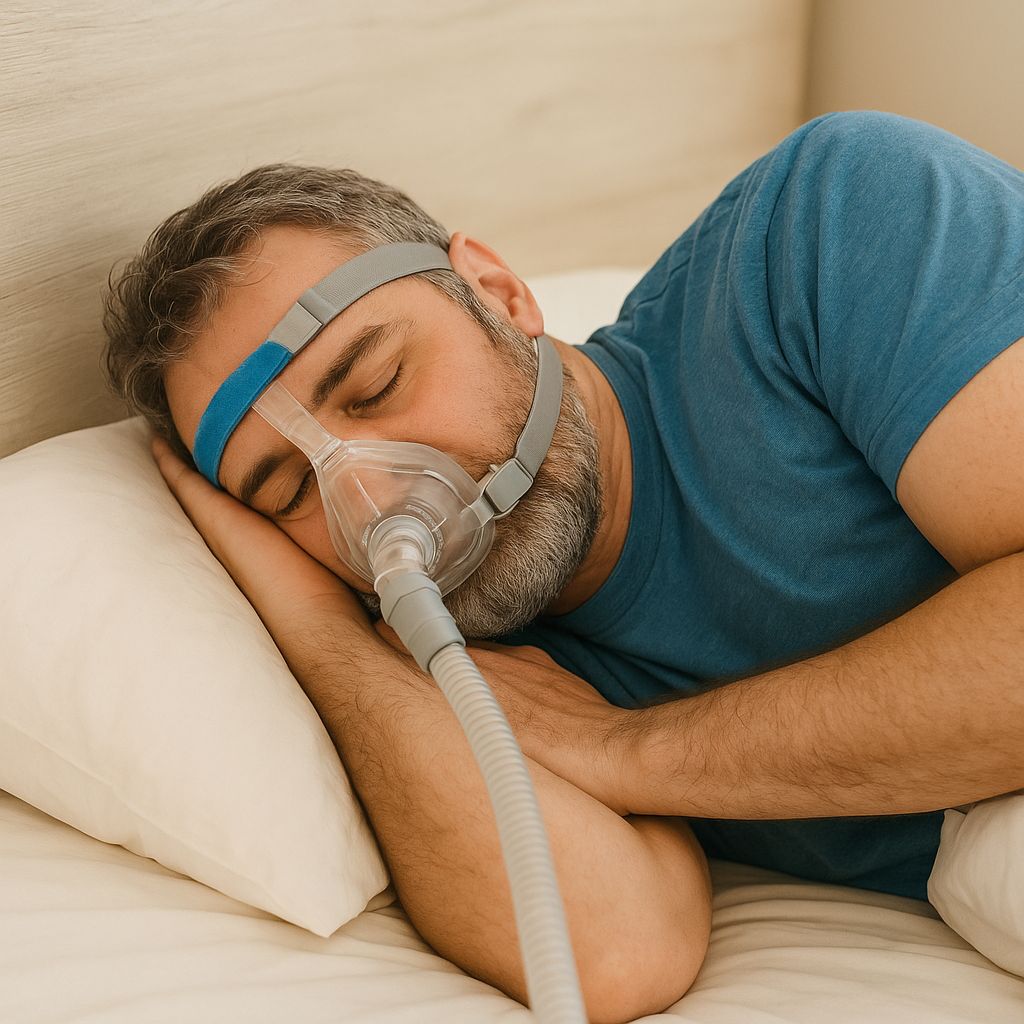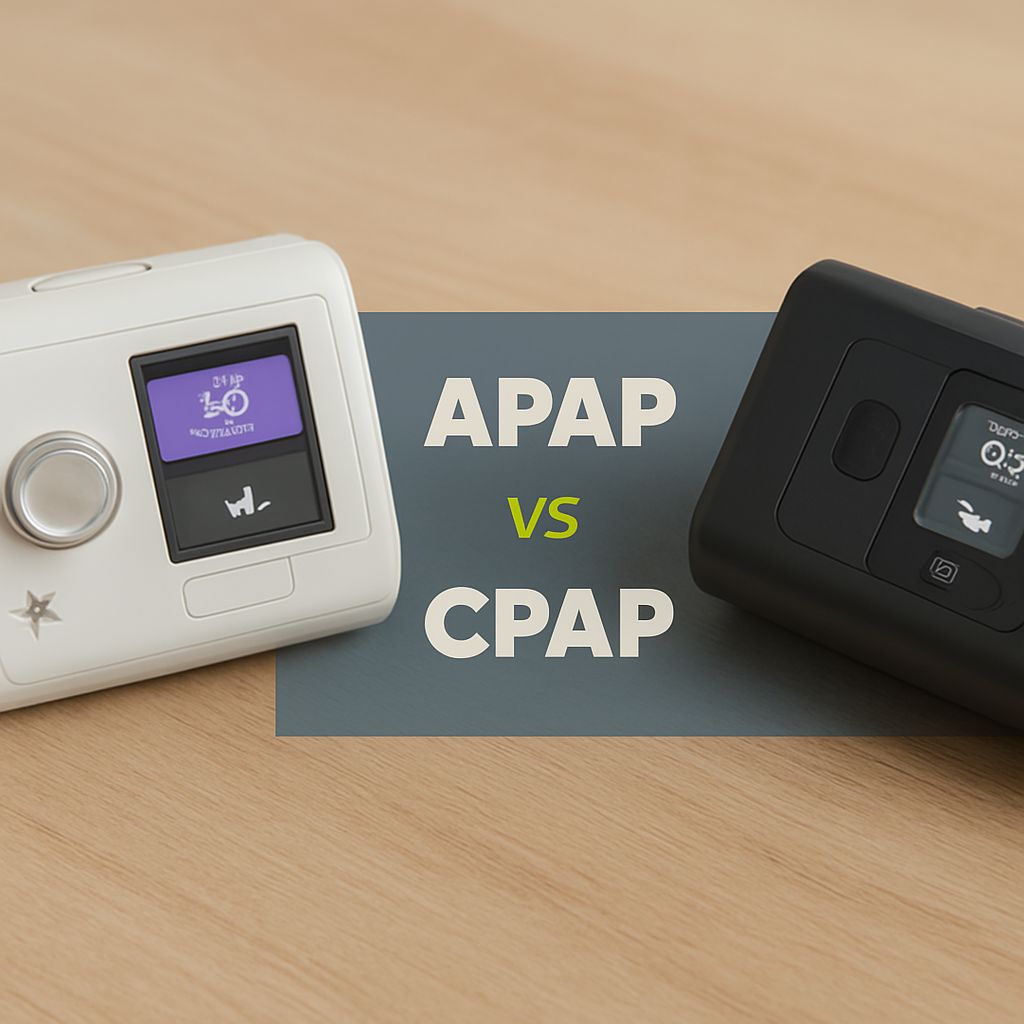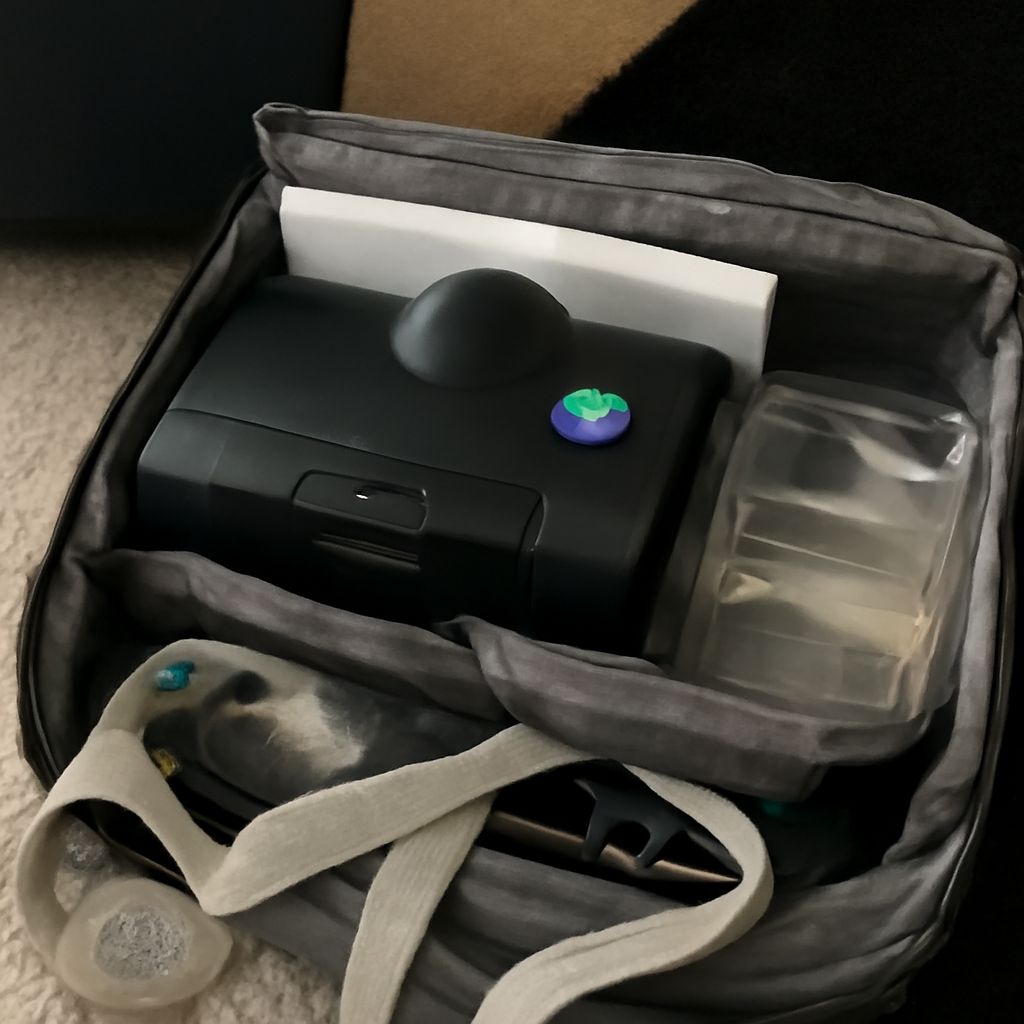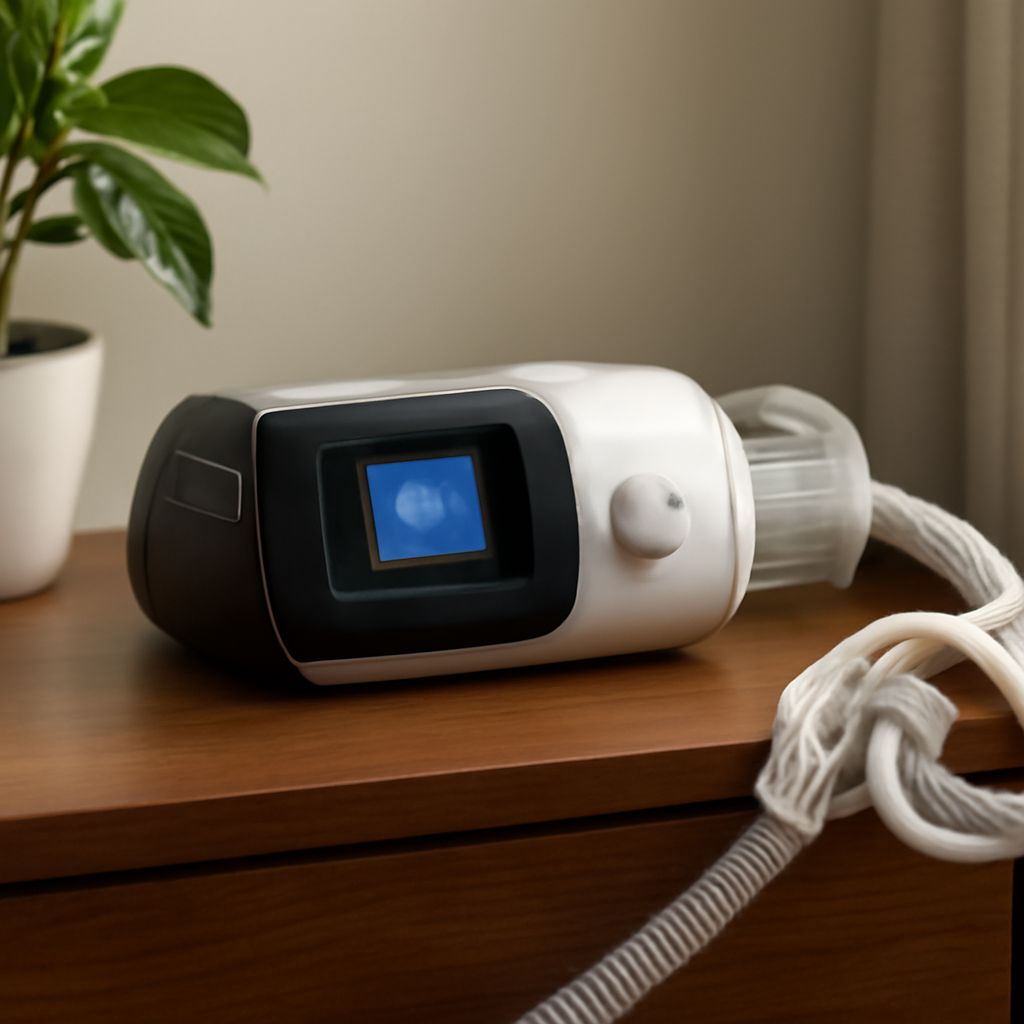
The question of where can I buy a CPAP machine has a longer list of answers today than it did five years ago. Medical equipment suppliers, online retailers, manufacturer websites, and even some pharmacies now offer devices, which means pricing and support quality vary enormously. The decision to buy a CPAP machine is more nuanced than a standard purchase because the device must match a prescription, connect to a resupply plan, and ideally come with some form of clinical support for setup and troubleshooting. Understanding each channel before buying a CPAP machine saves both money and frustration during the adjustment period.
Insurance coverage determines the first decision branch. A plan that covers durable medical equipment (DME) typically requires purchase through an in-network supplier. The option to buy CPAP machine online exists but may be out-of-network, shifting more cost to the patient. For those paying out of pocket, knowing where to buy a CPAP machine at a fair price — and with reliable after-sale support — is the primary concern.
Insurance-Based Suppliers vs. Out-of-Pocket Channels
DME suppliers contracted with insurance networks are the standard route for insured patients. They verify prescriptions, handle billing directly with the insurer, and provide in-person mask fitting in most cases. The trade-off is that the equipment selection is often limited to devices the supplier stocks, and pricing transparency before the bill arrives is notoriously poor. Getting an itemized quote before committing, and confirming whether the device is being rented with an option to purchase or sold outright, prevents billing surprises after 90 days.
Out-of-pocket purchasing has expanded significantly as online retailers have entered the space. Sites specializing in sleep therapy equipment — such as CPAPsupply.com, CPAP.com, and direct manufacturer portals — list AutoPAP and fixed-pressure CPAP units starting around $400 to $600 without insurance involvement. A valid prescription is still required to purchase a device; any site selling a CPAP without verification of a prescription is operating outside regulatory guidelines and should be avoided.
What to Look for in an Online Purchase
Verified retailers display a physical business address, a phone number staffed by respiratory therapists or trained representatives, and a clear return policy for devices that prove incompatible with a patient’s mask or pressure needs. Device warranty coverage should be 24 months minimum — most major brands including ResMed and Philips Respironics offer two-year warranties on new equipment. Avoid grey-market devices imported without manufacturer authorization; these may lack the firmware version tied to a U.S. prescription or may void the warranty on accessories.
Refurbished CPAP devices represent a legitimate budget option when sourced from a licensed DME supplier or manufacturer-certified refurbishment program. Prices typically run 40 to 60 percent below new retail. The critical check is whether the device’s usage hours have been reset and whether the humidifier chamber and filter compartment show evidence of proper sanitation — both of which a legitimate refurbisher documents in writing.
Local Options and When They Make Sense
Brick-and-mortar sleep specialty stores and large medical supply chains offer the advantage of hands-on mask fitting, which matters significantly for first-time users. A mask that fits correctly in-person often reduces the most common reason people abandon therapy within the first 30 days. Some hospital sleep centers operate their own equipment dispensaries, selling devices to patients immediately following a sleep study — convenience is high but pricing may exceed online alternatives by 20 to 30 percent.
Pharmacy chains increasingly stock basic CPAP supplies including filters, cushions, and tubing, though most do not carry the machines themselves. For resupply of consumables, a local pharmacy that accepts DME billing can be a practical convenience supplement to a primary online or DME supplier relationship.
Before finalizing any purchase channel, confirm three things: the prescription matches the device’s pressure range, the retailer accepts returns within 30 days if the device is incompatible, and the data card or wireless data access (for apps like myAir or DreamMapper) is unlocked and accessible. Compliance data access matters for insurance continued-coverage requirements and for titrating pressure with a prescribing physician.