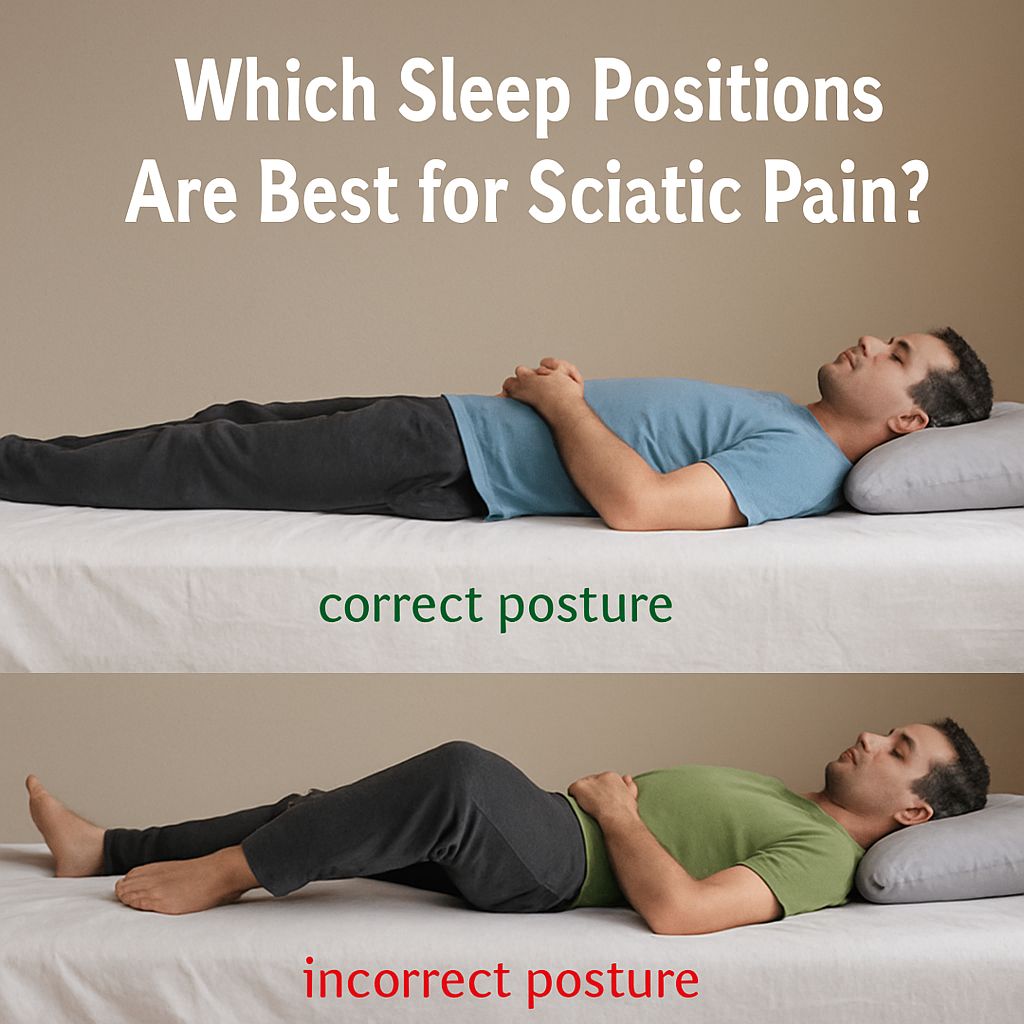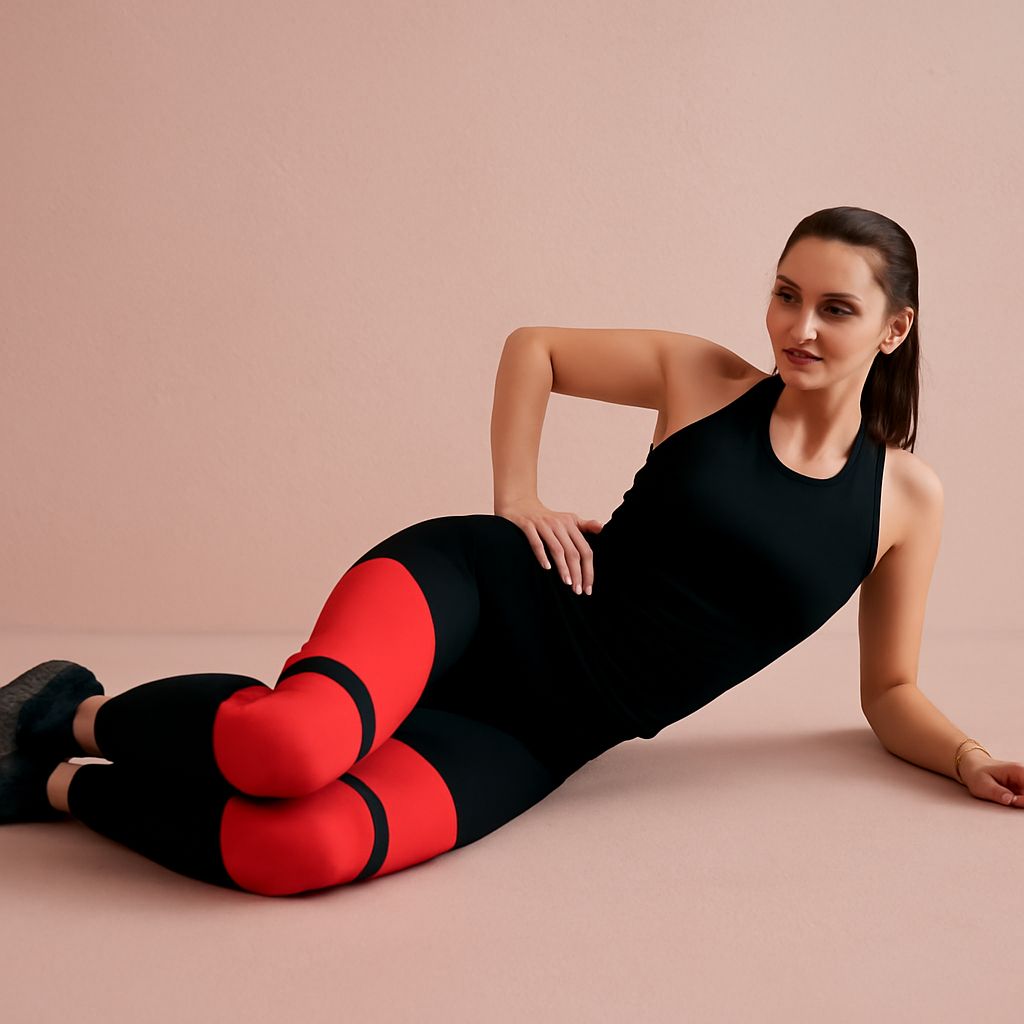
Learning how to sleep with piriformis syndrome requires understanding where the piriformis muscle sits and which sleep positions compress it. The piriformis runs deep in the buttock from the sacrum to the greater trochanter, and in piriformis syndrome sleeping position choices that internally rotate the hip or allow the leg to fall outward under gravity load the muscle against the sciatic nerve throughout the night. Meralgia paresthetica sleeping position adjustments address a different nerve — the lateral femoral cutaneous nerve — that compresses at the inguinal ligament when hip flexion is sustained in sleep. Both conditions follow the same basic principle: positioning must offload the specific anatomical structure involved. Understanding how to sleep with meralgia paresthetica and piriformis syndrome together helps people who have both diagnoses, which is more common than either condition alone, identify a setup that reduces pain at both sites simultaneously. Thoracic outlet syndrome sleeping position guidance follows similar logic for the brachial plexus at the shoulder.
This guide covers position mechanics and support setups for each condition.
Piriformis Syndrome: Best and Worst Sleep Positions
Side Sleeping Setup
Side sleeping on the unaffected side is the recommended starting piriformis syndrome sleeping position for most patients. The top hip should be neutral or slightly forward rather than drooping toward the mattress, which is achieved by placing a firm pillow between the knees. Without knee support, the top hip falls into internal rotation overnight, shortening the piriformis and pressing it against the sciatic nerve for hours. A standard pillow between the knees works but shifts position; a contoured knee spacer or a cylindrical bolster wedged between the legs stays in place better through movement.
Back sleeping can work for piriformis syndrome if a wedge pillow is placed under both knees to maintain roughly 30 degrees of hip flexion, which slightly slackens the piriformis from both ends. Flat back sleeping with legs fully extended creates passive external rotation of the hips, which lengthens the piriformis across the sciatic nerve in a different direction. Stomach sleeping is consistently the worst option: it combines internal hip rotation, lumbar compression, and sustained hip extension, all of which load the piriformis.
Meralgia Paresthetica: Reducing Lateral Thigh Compression
How to sleep with meralgia paresthetica centers on avoiding sustained hip flexion above 30 degrees, because the lateral femoral cutaneous nerve kinks at the inguinal ligament when the hip is flexed further. The side-lying fetal position, which most people default to, places the hip at 60 to 90 degrees of flexion for hours, directly compressing the nerve. Sleeping in the side-lying position with legs partially straightened — hip flexion around 20 to 30 degrees rather than fetal curl — reduces this compression substantially.
For meralgia paresthetica sleeping position, back sleeping with a thin pillow under the lumbar spine and the legs flat is the most reliably symptom-free position. A small rolled towel under the lumbar spine reduces anterior pelvic tilt, which lowers the tension on the inguinal ligament where the nerve exits.
Thoracic Outlet Syndrome and Combined Strategies
Thoracic outlet syndrome sleeping position adjustments focus on avoiding overhead arm positioning during sleep. Sleeping with arms raised above shoulder height (as many people do in the fetal position) compresses the brachial plexus between the first rib and clavicle. A body pillow placed in front of the body while side sleeping keeps the top arm supported at chest height rather than drifting upward. Sleeping on the affected side should be avoided as it directly compresses the thoracic outlet.
For those managing piriformis syndrome, meralgia paresthetica, and thoracic outlet syndrome simultaneously, back sleeping with a knee bolster and arms resting on the mattress at sides is the most structurally neutral position across all three nerve compression points.
Key Takeaways
Side sleeping with knee support is the practical first choice for piriformis syndrome, while meralgia paresthetica calls for partial leg extension to reduce hip flexion below 30 degrees. Back sleeping with a knee bolster addresses both simultaneously and is worth trialing for one to two weeks with consistent position maintenance before evaluating whether further intervention is needed.