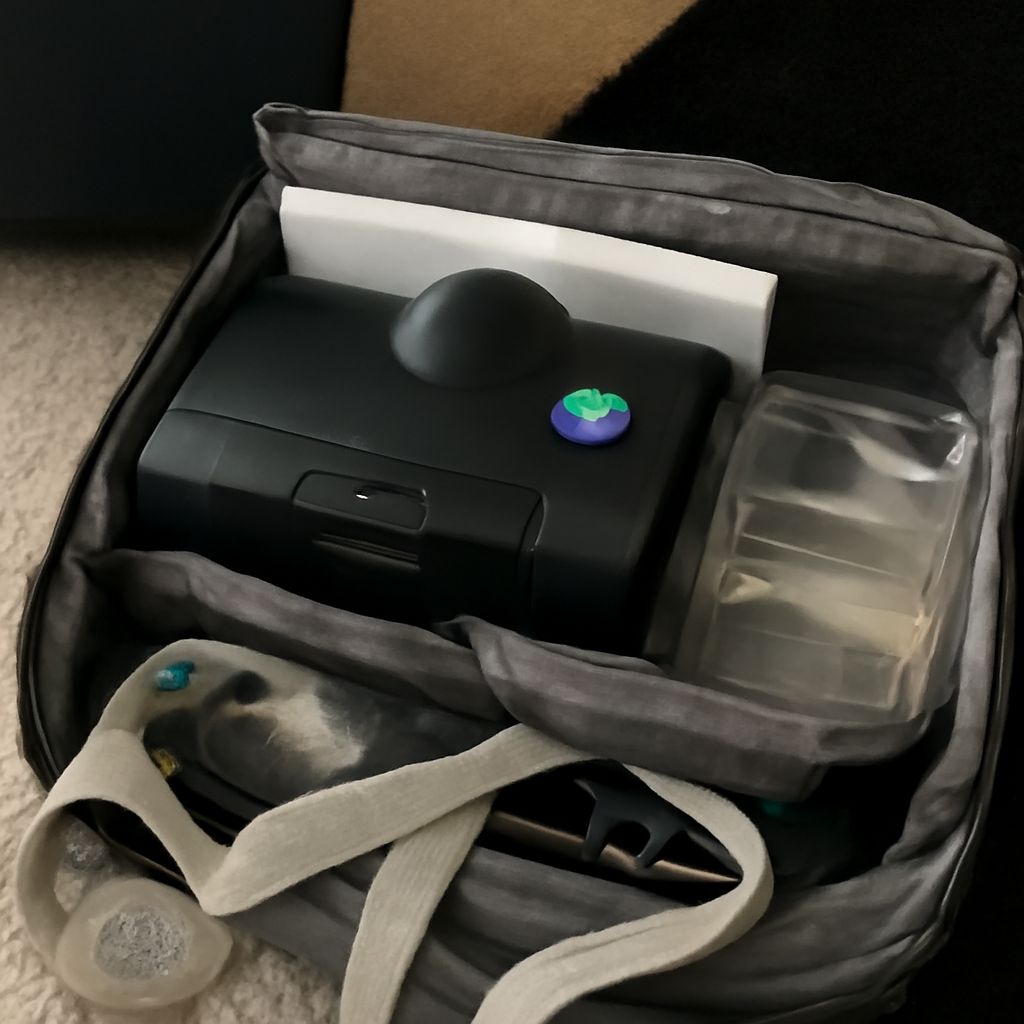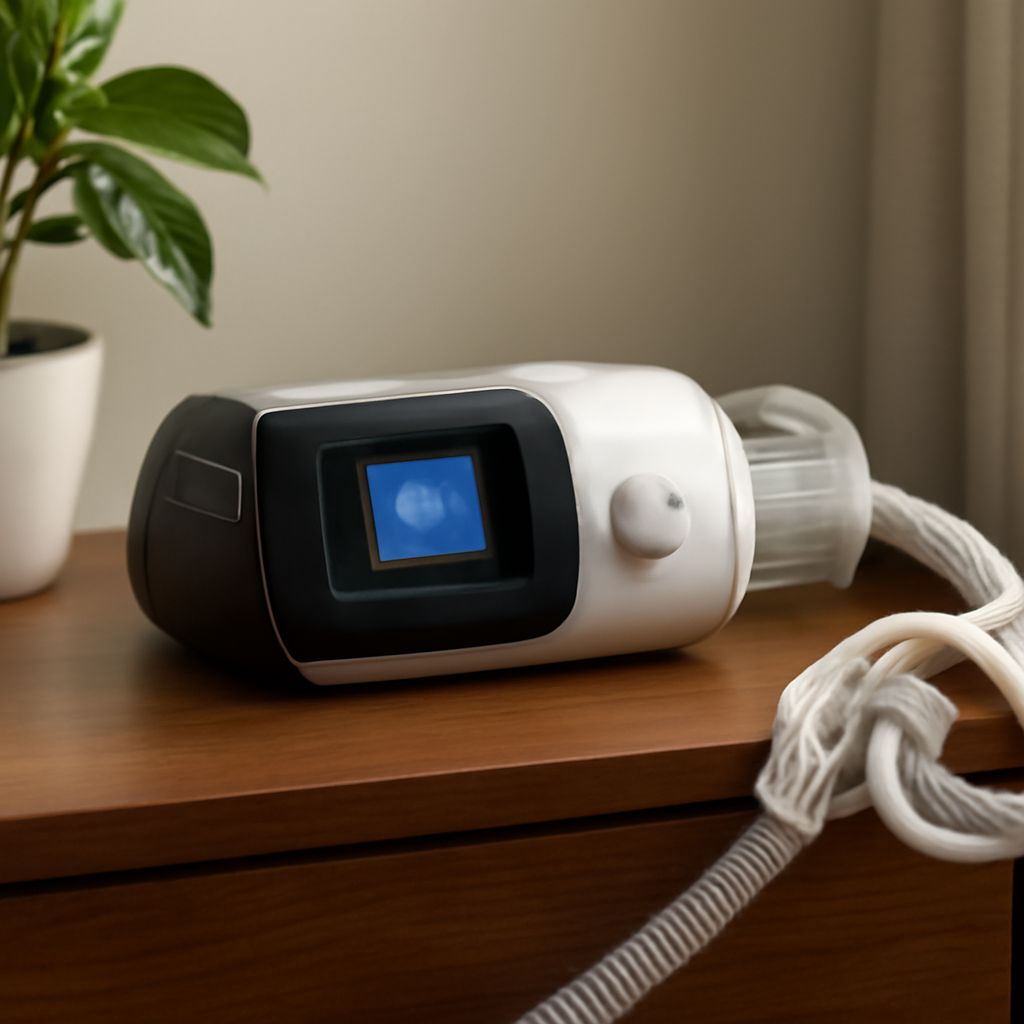
Used CPAP machines are appealing because CPAP therapy equipment is expensive. A new machine from a major brand like ResMed or Philips Respironics runs between $500 and $1,500 without insurance. Refurbished CPAP machines, sold by licensed dealers or certified resellers, typically cost 40 to 60 percent less and often come with a warranty. The risk is not in the price but in the hygiene and mechanical history of any given unit. A used cpap machine that has not been properly sanitized or that has exceeded its recommended usage hours creates problems that offset any savings.
Private party sales of used cpap equipment through platforms like eBay or Facebook Marketplace carry the most risk. There is no guarantee of cleaning, no warranty, and no disclosure requirement for the device’s run history. Buying a used cpap from a certified medical equipment dealer or a manufacturer’s refurbishment program is a different calculation entirely. The goal to buy used cpap machine safely is about knowing where to look, what to ask, and what to inspect before committing to a purchase.
Safety and Hygiene Checks for Refurbished CPAP Machines
Every CPAP machine logs usage hours internally. Before purchasing any refurbished unit, request the compliance data report, which a dealer can pull directly from the device’s SD card or onboard memory. Machines with more than 15,000 hours of use are past the typical service life of the motor and blower components, making them higher risk for mechanical failure within the first year. Machines under 5,000 hours are generally in good operating condition.
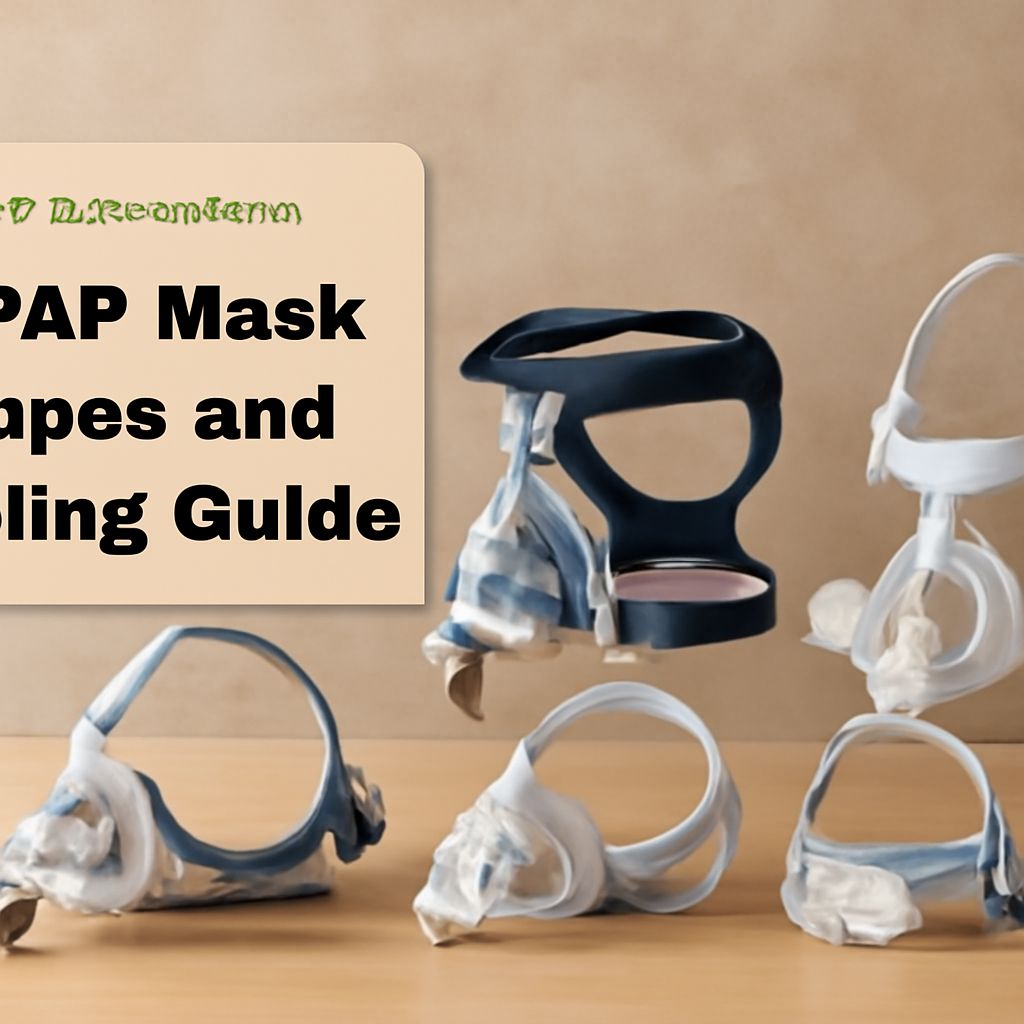
The humidifier chamber and water tub are the most hygiene-sensitive components. Mineral deposits from water, mold spots, and biofilm can accumulate even with regular cleaning. A reputable dealer will replace the humidifier tub as a standard part of the refurbishment. If buying privately, replace it yourself; replacement chambers cost $20 to $50 and are model-specific. The same applies to the tubing, mask, and headgear: these are single-patient items and should always be new regardless of machine source.
What to Inspect Before You Buy a Used CPAP Machine
Run the machine before finalizing any purchase. Listen for unusual noise: a healthy CPAP motor runs between 25 and 30 decibels, comparable to a quiet whisper. Any grinding, clicking, or rattling points to bearing wear or motor degradation. Check the pressure output using a CPAP pressure gauge or request a pressure verification test from the dealer. The machine should deliver pressure within 0.5 cm H2O of the prescribed setting across the full pressure range.
- Request usage hours report (aim for under 5,000 hours)
- Inspect the humidifier tub for mineral deposits, cracks, or discoloration
- Listen for motor noise above 30 decibels
- Verify the filter compartment is clean and the filter is new
- Confirm the machine’s firmware is up to date
- Check that all physical ports, power inlet, USB, and SD slots are undamaged
Where to Find Used CPAP Machines and What to Avoid
Certified refurbished CPAP units from manufacturers are the safest option. ResMed and Philips Respironics both sell certified pre-owned equipment through their websites and authorized dealers. These units go through manufacturer-level testing and come with a limited warranty of three to six months. Second-tier options include licensed home medical equipment (HME) dealers who specialize in sleep therapy devices. These dealers typically clean, test, and re-certify machines and provide a 30- to 90-day return window.
Avoid purchases from sellers who cannot provide usage data, who will not allow a test run before buying, or who sell machines with the original mask and hoses as part of the deal (implying no new patient components). Certain CPAP models have manufacturer recalls affecting specific serial number ranges. The FDA maintains a searchable recall database at fda.gov that takes under two minutes to check against any serial number.
Pro tips recap: Always request usage hour data and inspect the humidifier chamber before buying any used CPAP machine. Purchase from a certified dealer or manufacturer refurbishment program when possible. Replace all patient-contact components, including the mask, tubing, and headgear, with new parts regardless of the machine’s source. Check the FDA recall database using the device serial number before completing any purchase.