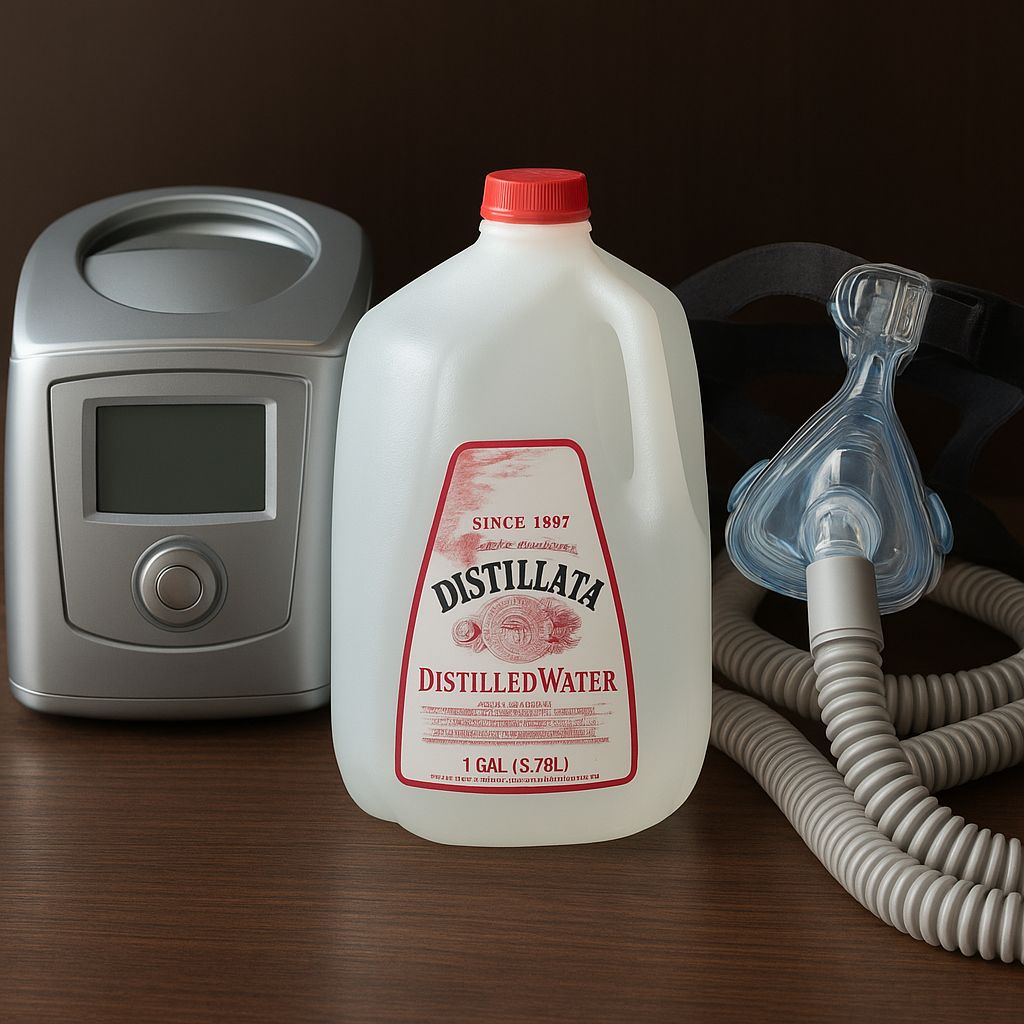
A CPAP cleaning machine automates the disinfection process that most users find tedious when done by hand. Bacteria, mold, and mineral deposits accumulate in CPAP humidifier chambers, tubing, and masks within days of use, especially in humid environments. A cpap machine cleaner addresses this by using either ozone gas or ultraviolet light to kill pathogens without the soaking and air-drying that manual cleaning requires. A cpap sanitizer machine cycle takes 30 to 60 minutes and requires no water, which matters for travelers and people who skip manual cleaning due to inconvenience.
A cpap cleaning device is not a replacement for all manual cleaning. Water-mineral scale in the humidifier chamber still requires periodic manual scrubbing since neither ozone nor UV light dissolves deposits. A sleep apnea cleaner addresses microbial contamination, not chemical buildup. Understanding the difference helps users build a cleaning routine that covers both concerns without over-relying on any single method.
How a CPAP Cleaning Machine Works
Two technologies dominate the CPAP sanitizer machine market. Ozone-based cleaners generate activated oxygen (O3) and circulate it through the CPAP tubing, mask, and humidifier chamber in a sealed bag or chamber. Ozone disrupts the cell walls of bacteria, mold spores, and some viruses at concentrations of 0.1 to 0.3 parts per million over 20 to 30 minutes. The SoClean and Respironics DreamStation Clean are the most recognized ozone-based cpap cleaning machine brands. After the cycle, the equipment must air out for 30 minutes to two hours before use because residual ozone at higher concentrations can irritate the respiratory tract.
UV-based cpap machine cleaner devices use ultraviolet-C light at wavelengths between 200 and 280 nanometers, which damages the DNA of microorganisms on contact. UV disinfection requires line-of-sight exposure, which means it is effective on surfaces but not inside tubing where light cannot reach. This is a meaningful limitation for CPAP cleaning since the tubing interior is one of the highest-contamination zones. Some UV-based cpap cleaning device models rotate components during the cycle to improve coverage, but ozone remains more effective for internal surfaces.
Ozone vs. UV: Choosing the Right CPAP Sanitizer Machine
For users whose primary concern is tubing and humidifier chamber contamination, ozone-based cpap sanitizer machine options are more effective due to gas penetration into narrow spaces. For mask frame and cushion sanitization where line-of-sight is not a barrier, UV devices perform comparably. The FDA has cautioned against ozone cleaners for certain CPAP components because ozone can degrade silicone and plastic over time, particularly at higher ozone concentrations. Rotating components out on schedule, every 30 days for cushions and every 90 days for tubing, mitigates this concern.
Manual Cleaning vs. Using a CPAP Cleaning Device
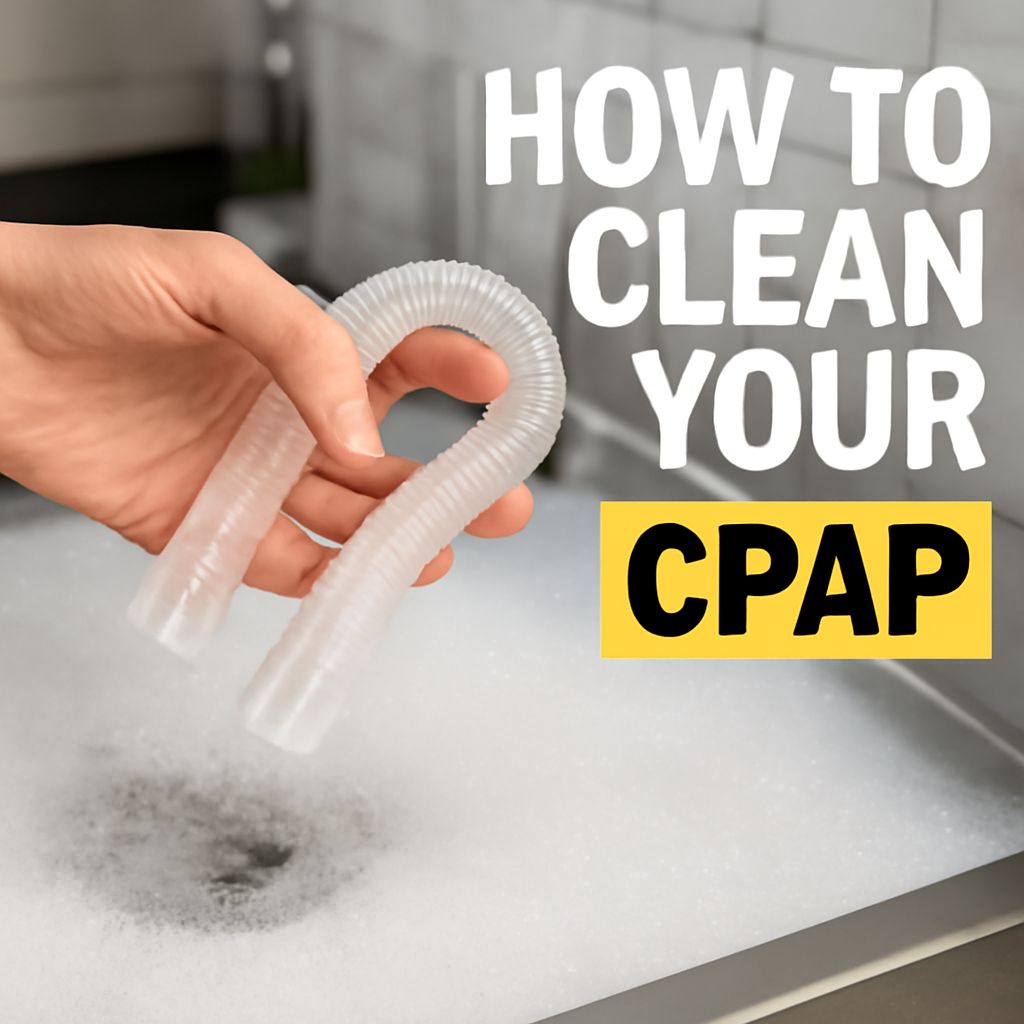
Manual cleaning with warm water, mild dish soap, and white vinegar remains the method most consistently recommended by CPAP manufacturers and the FDA. The process: disassemble the mask, tubing, and humidifier chamber; soak in warm soapy water for 20 to 30 minutes; rinse thoroughly; air dry on a clean surface away from direct sunlight. White vinegar at a 1:3 ratio with water removes mineral scale from the humidifier chamber that soap does not touch. This entire process takes 35 to 45 minutes of hands-on time and requires several more hours of air-drying before the equipment can be used.
A sleep apnea cleaner device cuts active time to under five minutes: load the components, press start, wait 30 to 60 minutes, and air out briefly. The tradeoff is cost. Entry-level cpap cleaning machine models run $80 to $150. Premium automated units with drying cycles reach $200 to $300. For users who travel or who have found themselves skipping manual cleaning due to time, the investment in a cpap machine cleaner pays off in consistent sanitation that reduces infection risk.
Daily and Weekly Routines With a Sleep Apnea Cleaner
Daily: wipe the mask cushion with a CPAP mask wipe or a slightly damp cloth to remove facial oils. Run the humidifier chamber rinse cycle if the machine has one. Facial oils are the primary cause of cushion seal failure and degrade silicone faster than normal wear. Weekly: run a full cpap cleaning device cycle on the mask, headgear, tubing, and chamber. Inspect the tubing for condensation buildup, discoloration, or small cracks at the connector points. Monthly: manually scrub the humidifier chamber with warm water and a soft brush to remove mineral scale the cleaner cannot dissolve.
Pro tips recap: Use a cpap sanitizer machine for microbial disinfection but do not skip the monthly manual scrub for mineral scale. Choose an ozone-based cpap cleaning machine for full tubing penetration or a UV-based cpap cleaning device for mask-focused sanitation. Let ozone-treated components air out fully before using them. Replace cushions, tubing, and filters on the manufacturer’s schedule regardless of which cleaning method is used, since mechanical wear happens independently of contamination.