A split night sleep study is a diagnostic tool that combines two phases of sleep testing in a single overnight session. During the first half, technicians record baseline data to detect apnea events; if the threshold is met, they switch to CPAP therapy for the second half. Understanding what to expect helps patients arrive prepared and leaves little room for anxiety about wires or unfamiliar surroundings.
Physicians often order a split sleep study when apnea severity is obvious enough to skip a full baseline night. This approach cuts total testing time and accelerates treatment. The MSLT sleep study, by contrast, measures daytime sleepiness through timed nap opportunities and is not the same procedure, though both are used together when narcolepsy is suspected alongside apnea. Patients who feel an overactive mind at night sleep poorly in lab settings, so knowing the schedule in advance can reduce that barrier. The daytime sleep study variant is used less often but follows a comparable multi-phase protocol.
How a Split Night Sleep Study Works: Phases, Equipment, and Thresholds
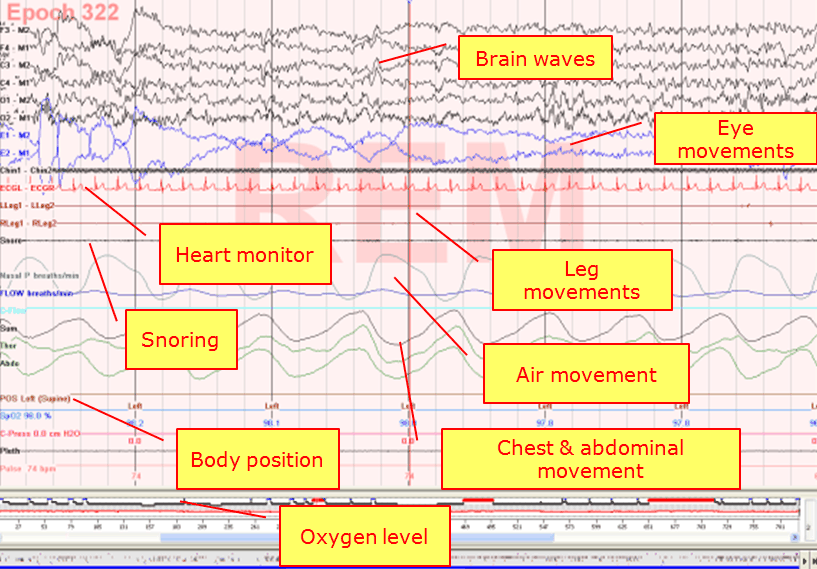
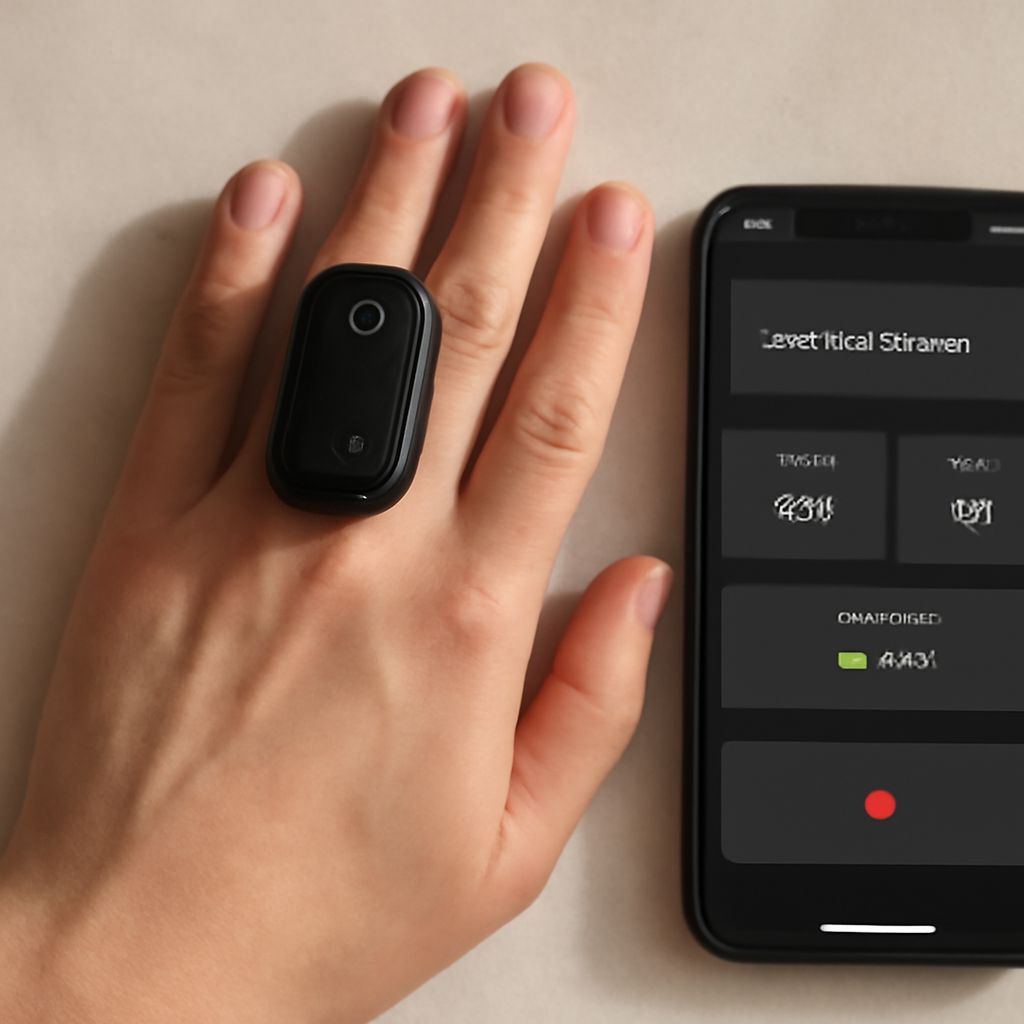
On arrival, a polysomnography technician attaches electrodes to the scalp, chin, and legs, plus chest belts and a pulse oximeter. The wires are gathered into a single flexible bundle so patients can roll over without disturbing them. Recording starts around 10 p.m. and runs uninterrupted through the night.
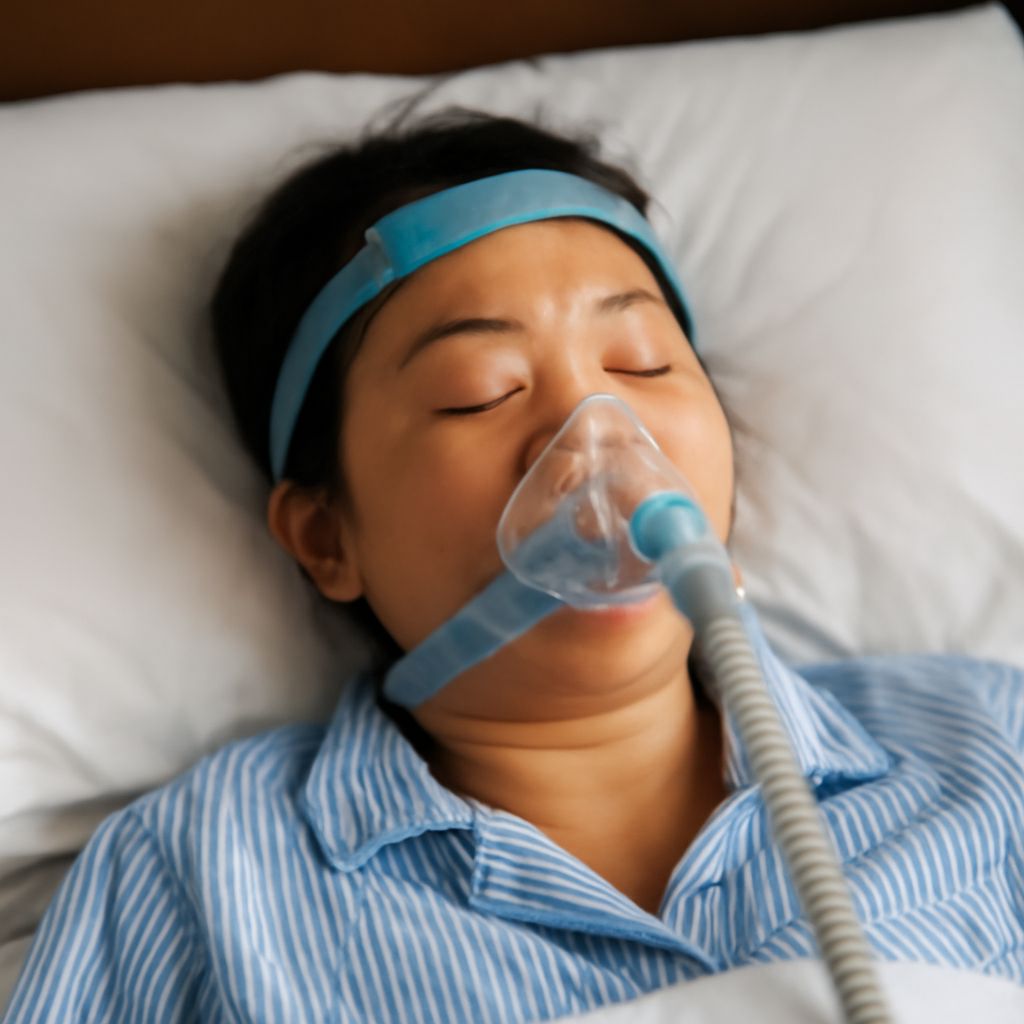
During the first two to four hours, the system logs sleep stages, oxygen saturation, respiratory effort, and leg movements. If the data shows an apnea-hypopnea index above a set threshold, typically 40 events per hour in most protocols, the technician wakes the patient to fit a CPAP mask. This transition usually takes under fifteen minutes. The rest of the night is spent on CPAP at a pressure that the technician titrates upward in small increments, often 0.5 to 1 cm H2O at a time, until apnea events are suppressed.
Interpreting the Final Report
The morning report lists the pre-CPAP apnea-hypopnea index alongside the post-titration index. A successful split means the second number falls below five events per hour. Oxygen nadir, arousal index, and sleep efficiency percentages round out the document. A sleep physician reviews these numbers, compares them with daytime sleepiness scores, and prescribes a home CPAP pressure based on the titration results.
MSLT Sleep Study: When It Follows a Split Night
When the attending physician suspects both apnea and narcolepsy, an MSLT is scheduled for the morning after the overnight study. The patient stays at the lab, eats a light breakfast, and then takes five twenty-minute nap opportunities spaced two hours apart. Technicians measure how quickly the patient falls asleep and whether REM sleep appears within the nap window, the hallmark of narcolepsy.
Results from both studies land in a single chart note. A split result showing treated apnea plus an MSLT with short sleep latency and two or more REM-onset naps points toward co-existing narcolepsy. Patients who struggle with overactive mind at night, sleep fragmentation from apnea, or persistent daytime fatigue benefit most from this combined approach because it separates causes rather than lumping all sleepiness together.
Preparing for the Lab: Practical Steps
- Avoid caffeine after noon on the study day.
- Shower before arriving; do not apply hair products, as they interfere with electrode adhesion.
- Bring comfortable pajamas and a familiar pillow if the lab permits it.
- Arrive on an empty stomach if an MSLT follows in the morning.
- Ask the scheduling desk whether a split protocol is planned or whether a full baseline night is scheduled first.
Next steps: After receiving the written report, schedule a follow-up appointment within two weeks. The sleep physician will set a final home CPAP pressure, select an appropriate mask style, and arrange a 30-day compliance download to confirm therapy is working before closing the diagnostic loop.