Sleep medicine services cover the full spectrum of evaluation, diagnosis, and treatment for disorders that affect nighttime rest and daytime alertness. From home sleep apnea tests to multi-night polysomnography, the field has expanded well beyond CPAP prescriptions. Knowing what to expect from a referral, what a sleep doctor’s name and credentials typically indicate, and how to choose between a general practitioner and a specialist saves time and reduces the risk of cycling through ineffective treatments.
A pediatric sleep specialist handles disorders in children and adolescents, a separate subspecialty requiring additional training in developmental sleep physiology. Adults dealing with obstructed breathing, restless legs, narcolepsy, or shift-work disorder typically see a board-certified sleep medicine physician whose background may be in pulmonology, neurology, psychiatry, or internal medicine. Sleep apnea treatment centers consolidate diagnostic equipment and therapy support under one roof, making the pathway from initial evaluation to CPAP compliance monitoring more straightforward. A sleep and wellness center may offer behavioral sleep programs alongside medical treatment, addressing both the physical and psychological dimensions of chronic insomnia.
What Sleep Medicine Services Include
A first appointment at a sleep clinic usually begins with a detailed history covering snoring frequency, witnessed apneas, morning headaches, daytime sleepiness scores on the Epworth scale, and any medications that affect sleep architecture. The clinician may order a home sleep apnea test first, which records airflow, oxygen saturation, and chest movement with a portable device worn for one or two nights, or may go directly to an in-lab polysomnography if the clinical picture is complex.
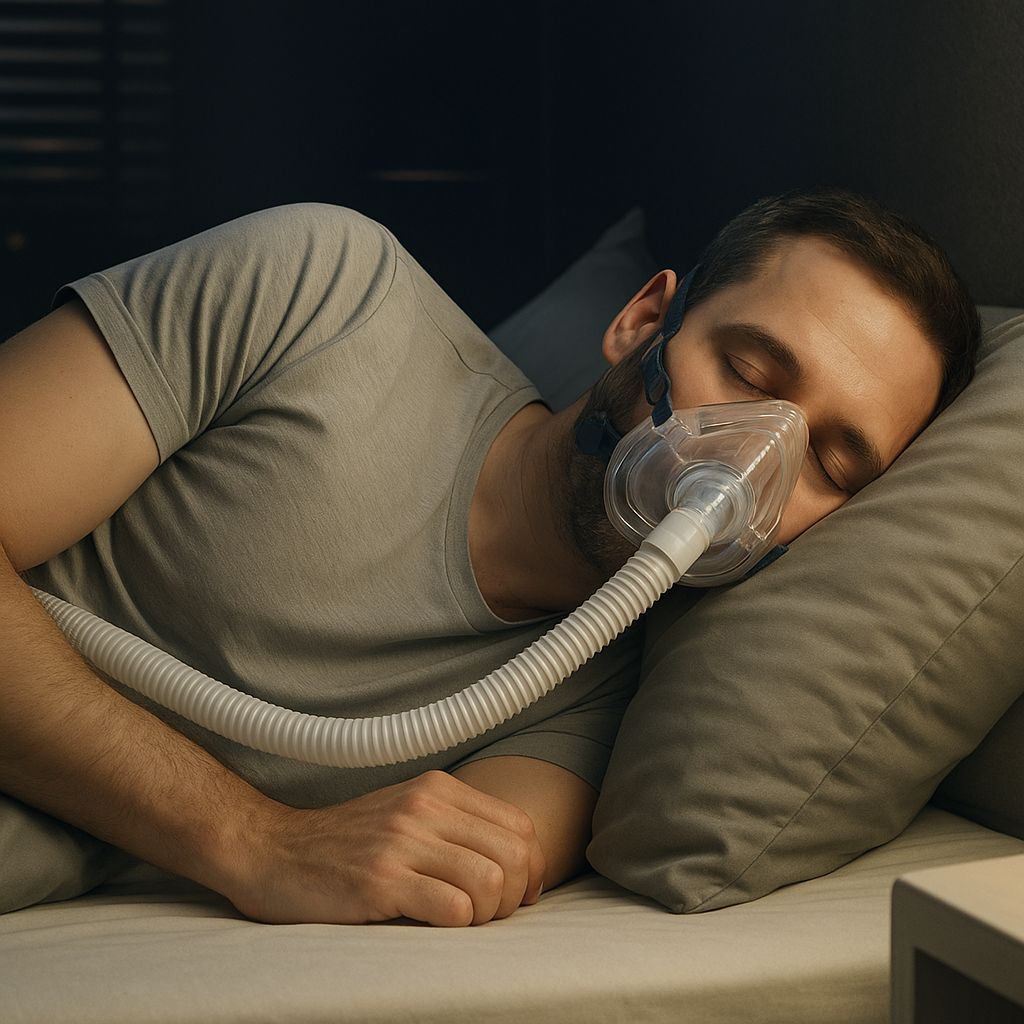
In-lab studies capture more data channels: EEG for sleep staging, EMG for leg movements, continuous ECG, and full video recording. Sleep apnea treatment centers run these studies nightly and can perform split-night titrations, where the first half establishes baseline severity and the second half titrates CPAP pressure. Results are read by a physician with board certification in sleep medicine, the credential that identifies a provider who has completed the specialty-specific examination.
Specialized Referrals: Pediatric and Behavioral Sleep
A pediatric sleep specialist evaluates children for obstructive apnea related to enlarged tonsils and adenoids, parasomnias such as night terrors and sleepwalking, and behavioral insomnia of childhood. Referral thresholds vary by pediatric practice, but habitual snoring in a child under 12, witnessed pauses in breathing, or daytime hyperactivity that worsens after poor nights are common triggers. A sleep and wellness center with a pediatric arm may use parent-completed questionnaires to screen before scheduling an overnight study.
Choosing Between a Sleep Doctor and a Sleep and Wellness Center
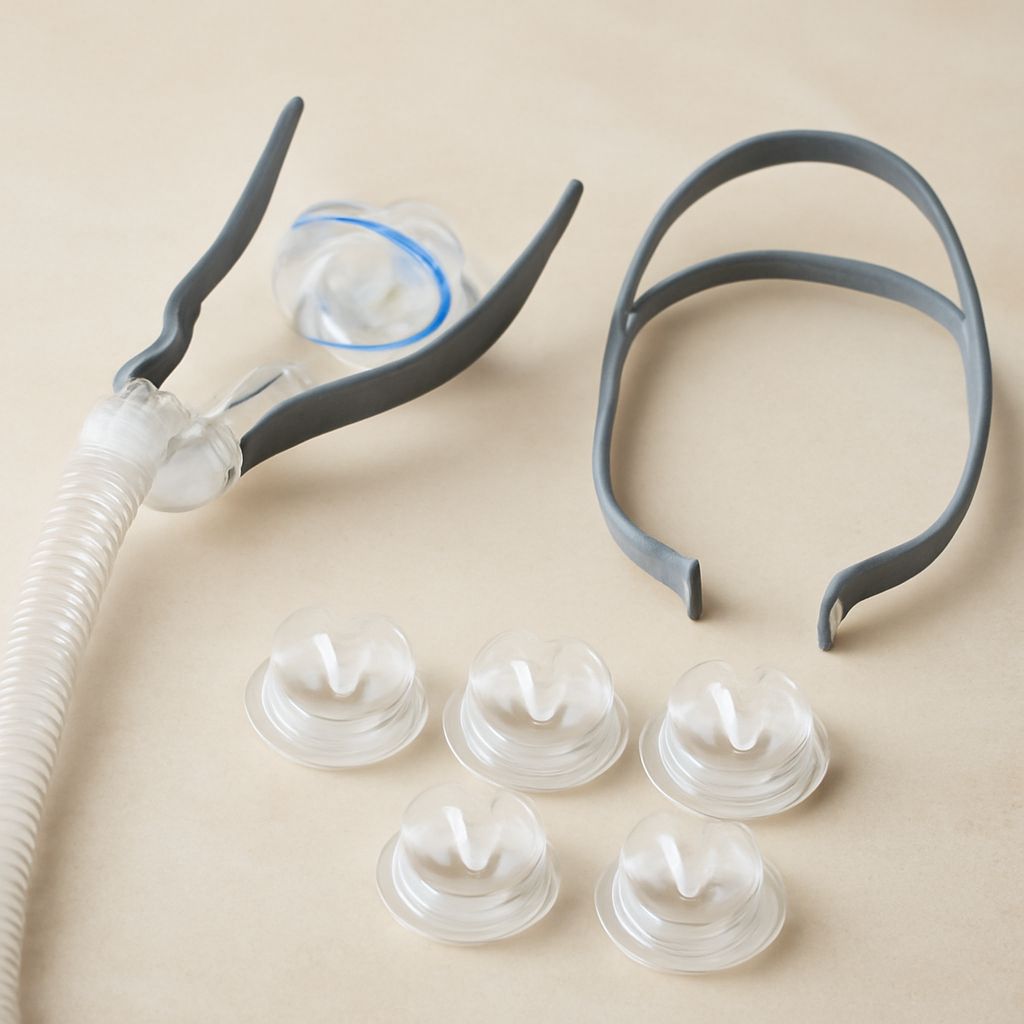
A solo sleep doctor typically provides faster initial appointments and more personalized follow-up, which suits patients who already have a confirmed diagnosis and need treatment management. Sleep apnea treatment centers offer more equipment options, same-week CPAP supply pickups, and respiratory therapists who handle mask fitting and pressure adjustments. A sleep and wellness center that integrates CBT-I therapists, nutritionists, and exercise physiologists is better suited to patients whose insomnia has multiple contributing factors.
When searching for a provider, verifying board certification through the American Board of Sleep Medicine or the American Board of Internal Medicine’s sleep subspecialty roster confirms that the physician has met national training standards. The sleep doctor’s name should appear in these registries; a board-certified provider will list the credential explicitly in their practice biography.
Bottom line: Sleep medicine services range from straightforward CPAP prescriptions to complex multi-specialty programs at a sleep and wellness center. Matching the level of care to the complexity of the disorder, whether adult or pediatric, apnea-focused or behavioral, produces better outcomes than defaulting to the nearest available appointment.