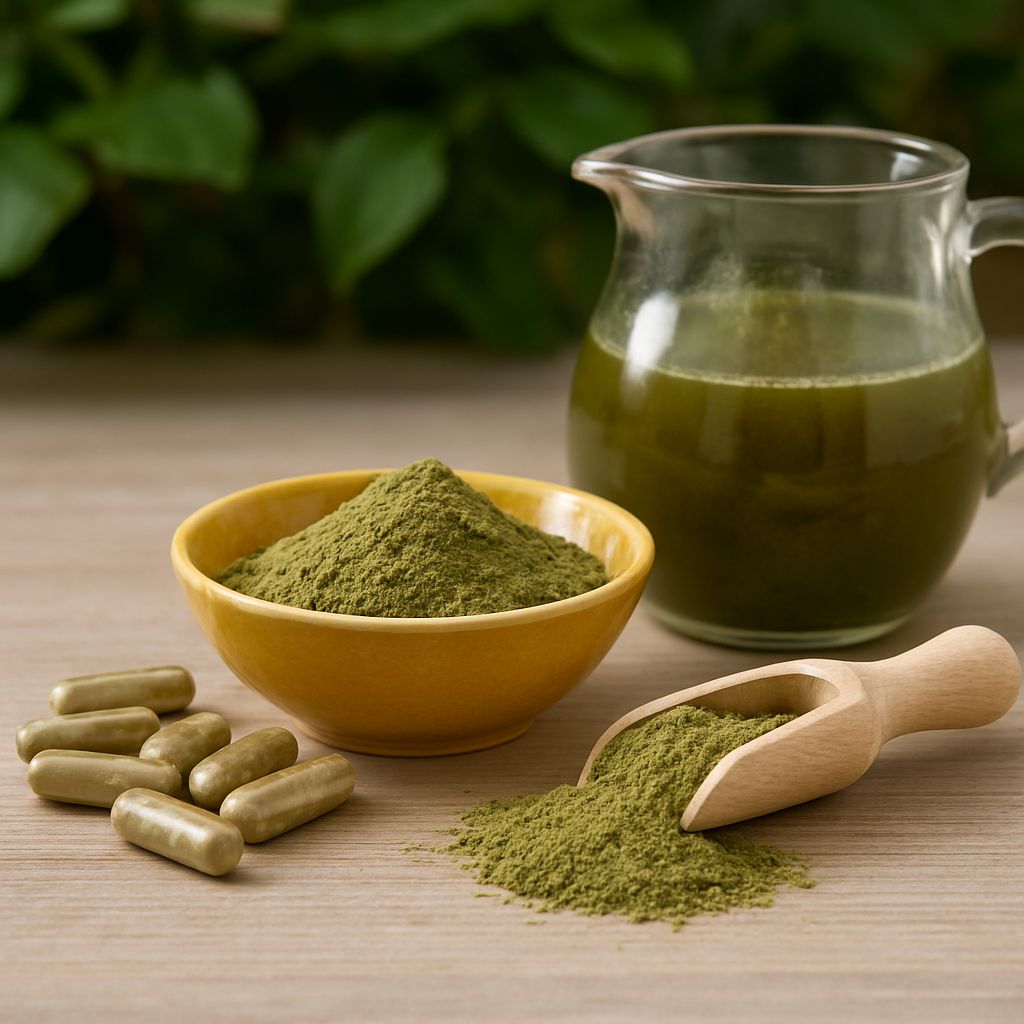
Kratom for sleep is a topic that sits at the intersection of anecdotal use, limited clinical research, and significant regulatory uncertainty. Best tea for sleep insomnia searches often surface kratom alongside chamomile, valerian, and passionflower—but kratom operates through opioid receptor binding rather than the GABA pathways that make those botanical teas sedating. Tea for insomnia that works through GABA activation, such as passionflower or valerian, has a more established safety record and is not subject to the same addiction and withdrawal concerns. Kratom sleep use—specifically the red vein varieties—has been reported by users to reduce sleep latency and improve subjective sleep quality, but published controlled trials are nearly absent. Kratom insomnia, paradoxically, is also a documented phenomenon: at higher doses or with chronic use, kratom disrupts REM sleep and causes rebound insomnia upon discontinuation.
How Kratom Affects Sleep Biology
Dose-Dependent Effects on the Nervous System
Kratom contains mitragynine and 7-hydroxymitragynine, alkaloids that bind mu-opioid receptors. At low doses—1–5 grams—these compounds produce stimulant effects through adrenergic pathways, which increases alertness and would worsen sleep onset if taken in the evening. At higher doses—5–15 grams—the opioid receptor activity predominates, producing sedation, reduced anxiety, and muscle relaxation that users associate with improved sleep.
The dose-response relationship makes kratom for sleep unpredictable without precise measurement. Kratom powder varies in potency between strains and vendors; a dose that is sedating one week may be stimulating the next if the batch has a different alkaloid profile. This variability makes it unsuitable as a sleep aid compared to pharmaceutical or standardized botanical options.
Safer Alternatives for Insomnia
For those seeking tea for insomnia without opioid mechanisms, the evidence-supported options are passionflower (Passiflora incarnata), valerian root, and lemon balm—all of which modulate GABA-A receptors at typical tea doses. Passionflower at 1 gram in 150ml hot water, steeped for 10 minutes, has been shown in a small controlled trial to improve sleep quality scores without next-day sedation. Valerian root at 300–600 mg reduces sleep latency in meta-analyses, though effects take 2–4 weeks of consistent use to appear.
The best tea for sleep insomnia without kratom risks is one that does not create tolerance, withdrawal, or dependence—characteristics that differentiate botanical GABA modulators from opioid-receptor compounds. Chamomile is the gentlest option; it contains apigenin, which binds benzodiazepine receptors weakly and produces mild relaxation without sedation strong enough to impair morning alertness.
Next steps: anyone currently using kratom for sleep who wants to discontinue should taper gradually—reducing dose by 10–20% per week—rather than stopping abruptly, as opioid-receptor withdrawal (restlessness, insomnia, irritability) can occur. Consult a physician if tapering produces symptoms lasting more than 5 days. Transition to a standardized passionflower or valerian supplement during the taper period to support GABA activity while opioid receptor sensitivity resets.