Sleeping positions to turn breech baby are among the most searched pregnancy sleep topics, but the same careful positional thinking applies to adults recovering from hip or knee procedures. Sleeping positions for couples shift when one partner is in post-surgical recovery, requiring temporary arrangements that protect the healing joint without creating secondary strain for either person. Sleeping positions after open heart surgery involve elevation and restricted rolling, with strict avoidance of prone positioning for 8–12 weeks. Sleeping positions after hip replacement follow precautions specific to the surgical approach—anterior, posterior, or lateral—and typically last 6–12 weeks. Sleeping positions after knee replacement surgery focus on managing swelling, pain, and knee extension rather than joint protection per se, since the prosthetic components are secured by bone ingrowth that takes 6–8 weeks to stabilize. The bottom line for all of these: position compliance at night is as important as physical therapy compliance during the day.
Breech Baby Positioning During Pregnancy
The recommended sleeping position for encouraging fetal rotation from breech is left lateral decubitus—left-side lying—which improves uteroplacental blood flow and may give the fetus more room to maneuver. This position is supported by midwifery guidance from approximately 32 weeks onward, when breech presentation becomes a clinically relevant concern for delivery planning.
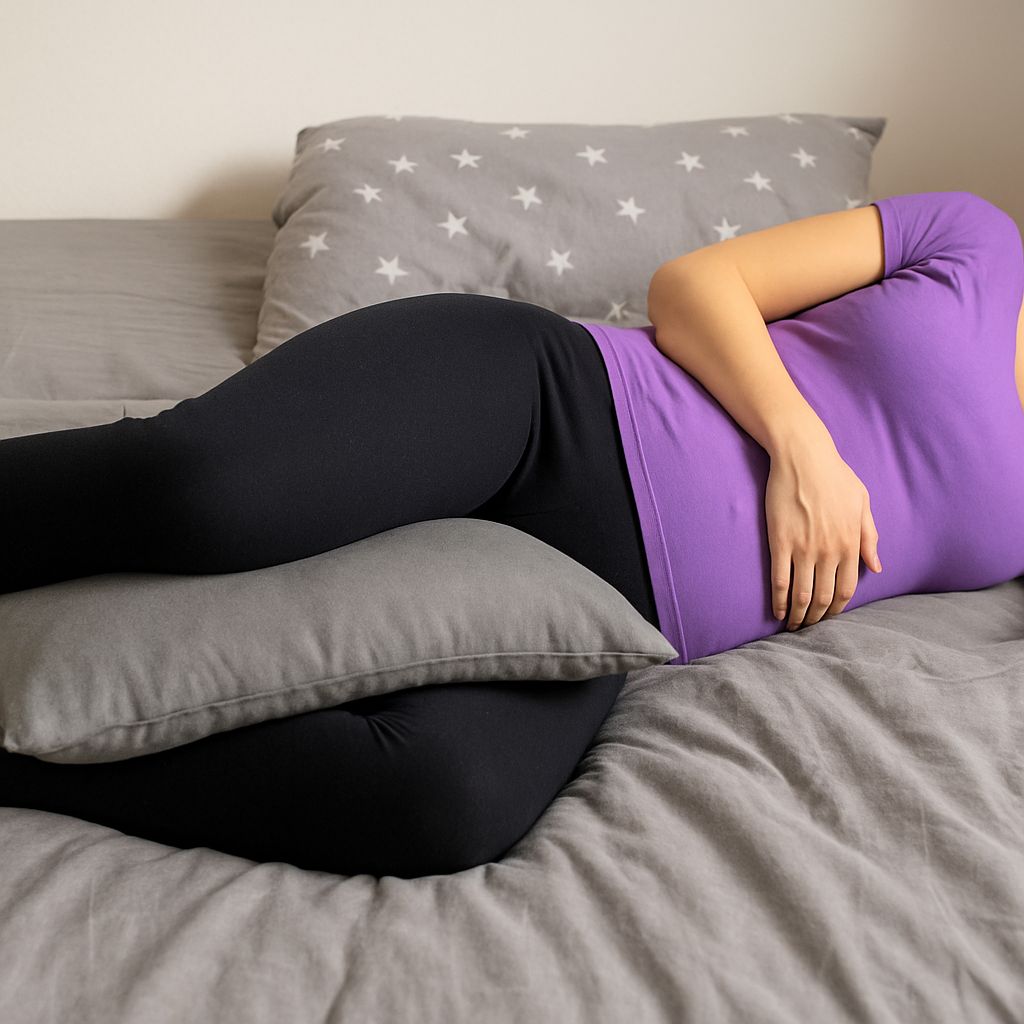
A pregnancy wedge pillow placed behind the back supports the position through the night without requiring conscious effort to maintain. One placed between the knees levels the pelvis and reduces symphysis pubis tension that becomes common in the third trimester. Sleeping on the back should be avoided after 28 weeks due to inferior vena cava compression by the uterus, which reduces cardiac output and can cause dizziness upon waking.
Hip and Knee Replacement Recovery Positions
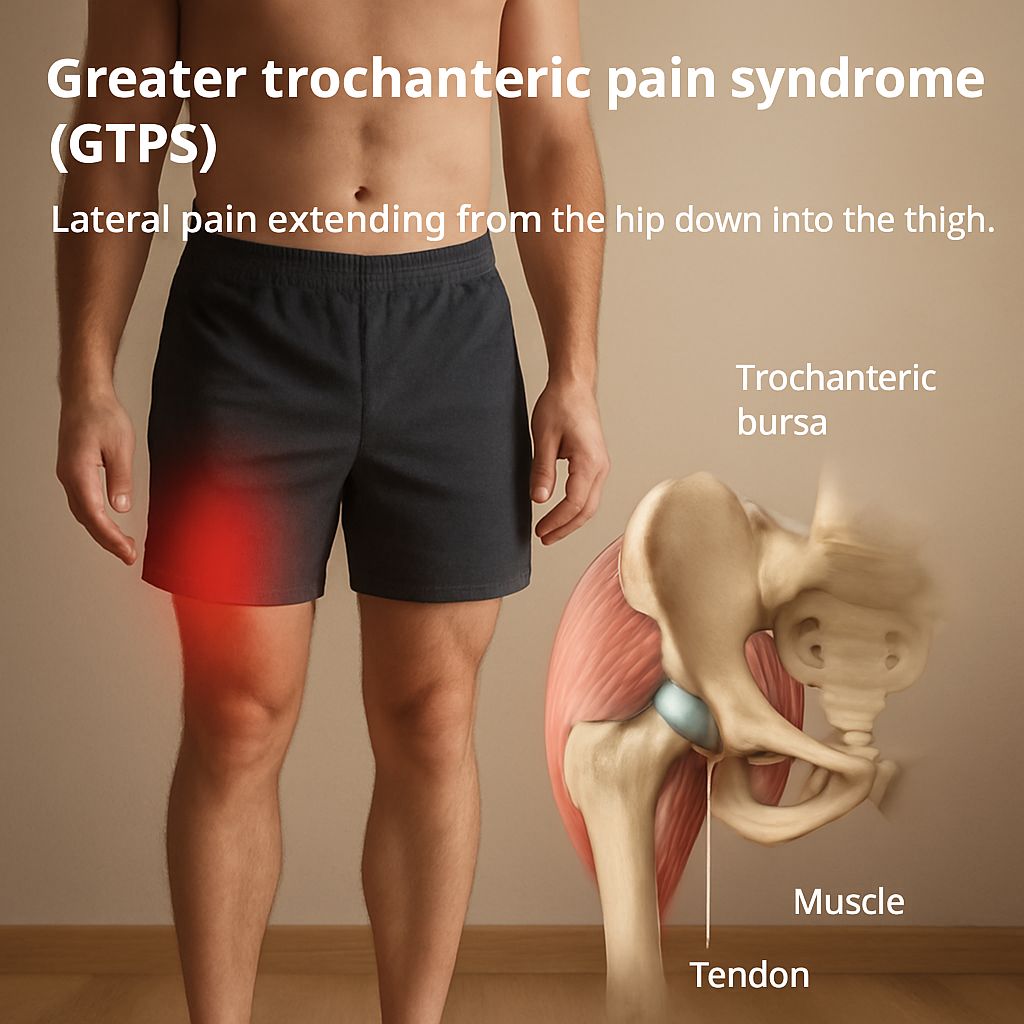
Sleeping positions after hip replacement depend on the surgical approach. Posterior approach patients must avoid hip flexion beyond 90 degrees, internal rotation, and adduction across the midline for 6–12 weeks. In practical terms: back sleeping with a wedge abduction pillow between the thighs, or side sleeping on the non-operative side with a thick pillow between the knees to prevent adduction.
Sleeping positions after knee replacement surgery prioritize extension over flexion during sleep. Many surgeons recommend a night splint or pillow under the calf—not the knee—to encourage passive extension. Placing a pillow under the knee itself holds the joint in flexion, which resists extension range of motion that the physical therapy program is working to restore.
Sleeping positions after open heart surgery restrict sternal loading. Rolling to one side requires a log-roll technique—moving shoulders and hips simultaneously—to avoid torquing the sternotomy incision. Most patients sleep semi-reclined at 30–45 degrees for the first 4–6 weeks. Recliner chairs or wedge pillows provide this angle; standard bed positions require significant pillow stacking that shifts position unpredictably through the night.
Bottom Line
Each recovery context has a specific position requirement based on the anatomy being protected. Breech baby positioning focuses on fetal mobility and blood flow. Hip replacement positions prevent dislocation through precaution adherence. Knee replacement positions prioritize extension recovery. Heart surgery positions protect sternal integrity. Couples can plan around these needs with separate sleep surfaces, body pillows as barriers, and timed positional checks at scheduled waking intervals during the first two weeks of recovery.