Teething is an essential developmental milestone, marking the period when infants experience their first teeth breaking through the gums. For many parents, recognizing the signs a baby is teething allows for timely comfort and care, easing their child’s discomfort and ensuring better sleep for everyone. Understanding how baby teeth eruption works can make this transition smoother and less stressful for both children and caregivers.
From fussiness to drooling, there are clear cues indicating a baby is teething, but every child is different. This guide equips parents to identify teething symptoms, anticipate stages like molars coming in, and implement strategies that safeguard kids’ sleep and well-being during this time.
Recognizing Signs a Baby is Teething
Babies express teething discomfort in various ways, and parents often notice a change in routines or behavior. Increased drooling is one classic indicator — caregivers may find bibs soaked more quickly during this stage. The excessive saliva can occasionally lead to mild skin irritation around the mouth, which may appear as small red patches or a rash.
Fussiness, especially at certain intervals throughout the day, can point to gum discomfort. Babies might become restless, have shorter attention spans for play, or seek extra cuddling. Chewing, often on toys, fingers, or anything within reach, appears as another telltale sign. This gnawing motion can provide the baby some relief as gums begin to swell due to pressure from erupting teeth.
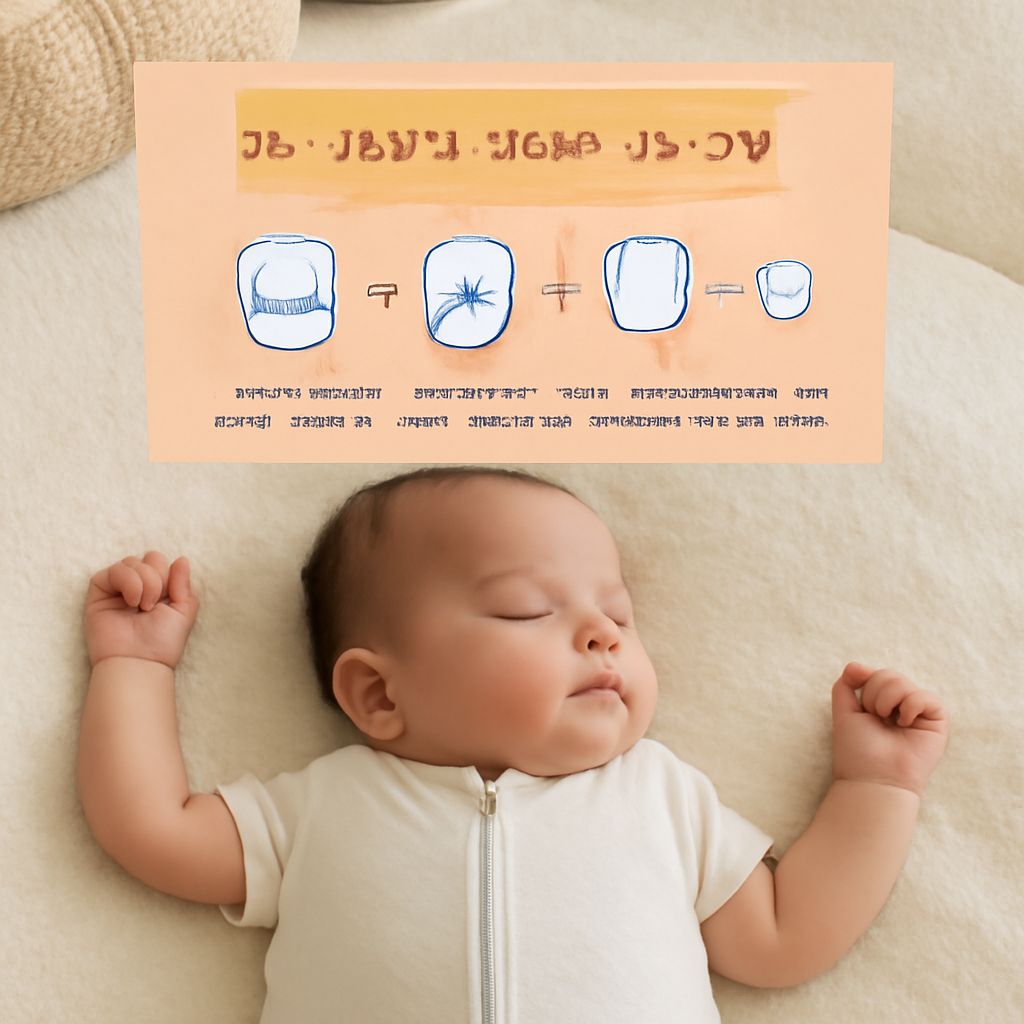
Other partial markers include decreased appetite, particularly when babies avoid bottle or breast at times when teeth are moving into position. Parents might also observe disturbed sleep, more frequent waking, or trouble settling at night, as the sensations can feel more intense when lying down. Not every fussy or dribbly baby is teething, but when these clues cluster, it becomes more likely that teeth are on their way.
The Stages of Baby Teeth Eruption
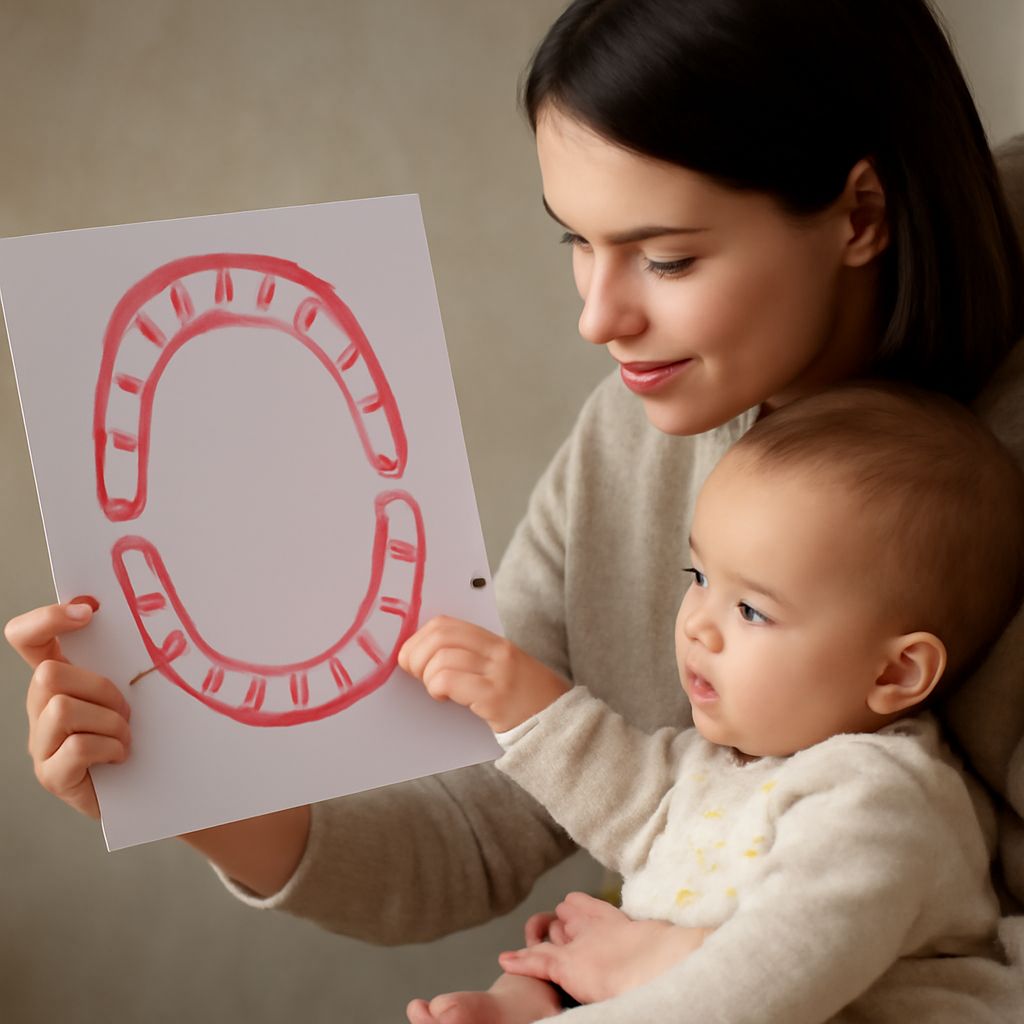
The process of baby teeth eruption typically follows a predictable pattern, though the timeline varies for each child. First, the two bottom central incisors often push through, usually between 4 and 7 months. Next, the upper central incisors begin to break the surface, generally appearing before the child turns one year old.
Partial eruption phases can cause gums to look swollen or slightly bruised. It is normal for teeth to come in pairs, often spaced by a few weeks or months, rather than all at once. Lateral incisors and then the first molars gradually emerge, with canines and second molars following. The entire process of baby teeth eruption is usually complete by 2½ to 3 years of age, when a child has a full set of 20 primary teeth.
During these stages, parents may notice differences in their baby’s biting, eating, and sleeping habits. Some children show little sign of discomfort, while others may experience notable irritability or changes in daily routine. While the general schedule is a guideline, hereditary factors and individual biology play a significant role in the pace and order of eruption.
Molars Coming In: What Parents Should Know
Molars tend to be larger and broader than previous teeth, which can make their arrival particularly challenging for some children. These teeth usually come in between 13 and 19 months for the first set, and 23 to 33 months for the second set. The molars coming in phase might exhibit as increased rubbing of the cheeks or tugging on ears, as referred discomfort is common in this period.
Partial emergence of molars can result in more pronounced swelling and, at times, a low-grade temperature—though true fever is rare and should prompt further evaluation for illness. Unlike incisors, molars often require more time to break through the gum line, sometimes causing extended periods of soreness or disrupted eating patterns. Providing safe, firm items for chewing can help alleviate some discomfort as these broad teeth move into place.
Parents sometimes worry when they see small blue or purple cysts over where a molar is erupting. These eruption cysts are usually harmless and resolve as the tooth emerges, but if swelling seems severe or is accompanied by high fever, a pediatric assessment may be needed. Because the process is gradual, patience and consistent comfort measures are important during the molars coming in stage.
How Teething Affects Kids’ Sleep
Teething can significantly disrupt established sleep routines. Discomfort often intensifies at night, possibly due to less daytime stimulation and more awareness of gum sensations. Babies may wake up crying, have difficulty settling down, or experience shorter sleep cycles, especially during active eruption phases.
Partial awakenings throughout the night can result in daytime crankiness, and sometimes naps are shorter or harder to initiate. Sleep associations, like needing extra cuddles or feeding, may temporarily increase as babies seek comfort for their sore gums. While not every night will be challenging, the signs a baby is teething often overlap with sleep disruptions.
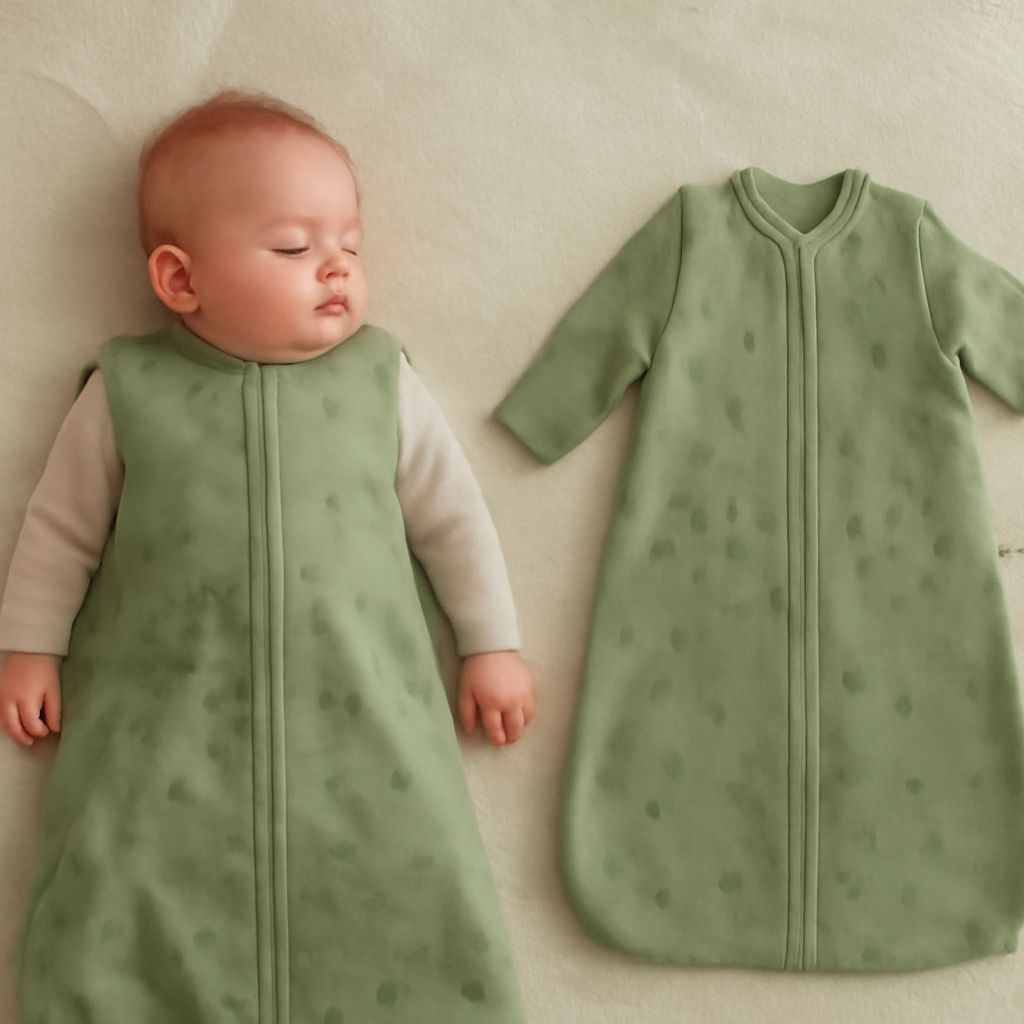
Parents can support improved rest by keeping a consistent bedtime routine, offering gentle gum massages before sleep, and ensuring the sleep environment is calm and dark. If sleep troubles persist beyond expected teething windows, it is wise to check for other causes, such as illness or overtiredness.
Practical Tips for Soothing Teething Discomfort
Offering a clean, chilled (not frozen) teething ring or wet washcloth provides safe pressure for the baby to chew, which can be soothing for sore gums. Many parents find gently massaging the gums with a clean finger for a minute or two several times a day helps relieve the most acute discomfort. If the baby is old enough for solid foods, cold purees or silicone feeders with chilled fruit may offer temporary relief and encourage healthy chewing habits.
Maintaining facial hygiene is important to prevent drool rash; patting dry the chin and applying a gentle, baby-safe balm can protect delicate skin. For sleep, a consistent pre-bed routine—such as a warm bath, quiet songs, or dim lighting—can signal to the child it is time to rest, even if teething symptoms are active.
Parents are advised to avoid topical gels or teething tablets unless specifically recommended by a healthcare provider, as some products can carry risks. If discomfort seems severe or is accompanied by high fever, loss of appetite, or unusual symptoms, consulting a pediatrician ensures no underlying problems are missed.
Safety recap: Always use teething tools as directed, check for choking hazards, and avoid medicated gels unless prescribed. Prioritizing gentle, hands-on care during the teething process can help babies stay comfortable and safe as their new teeth arrive.