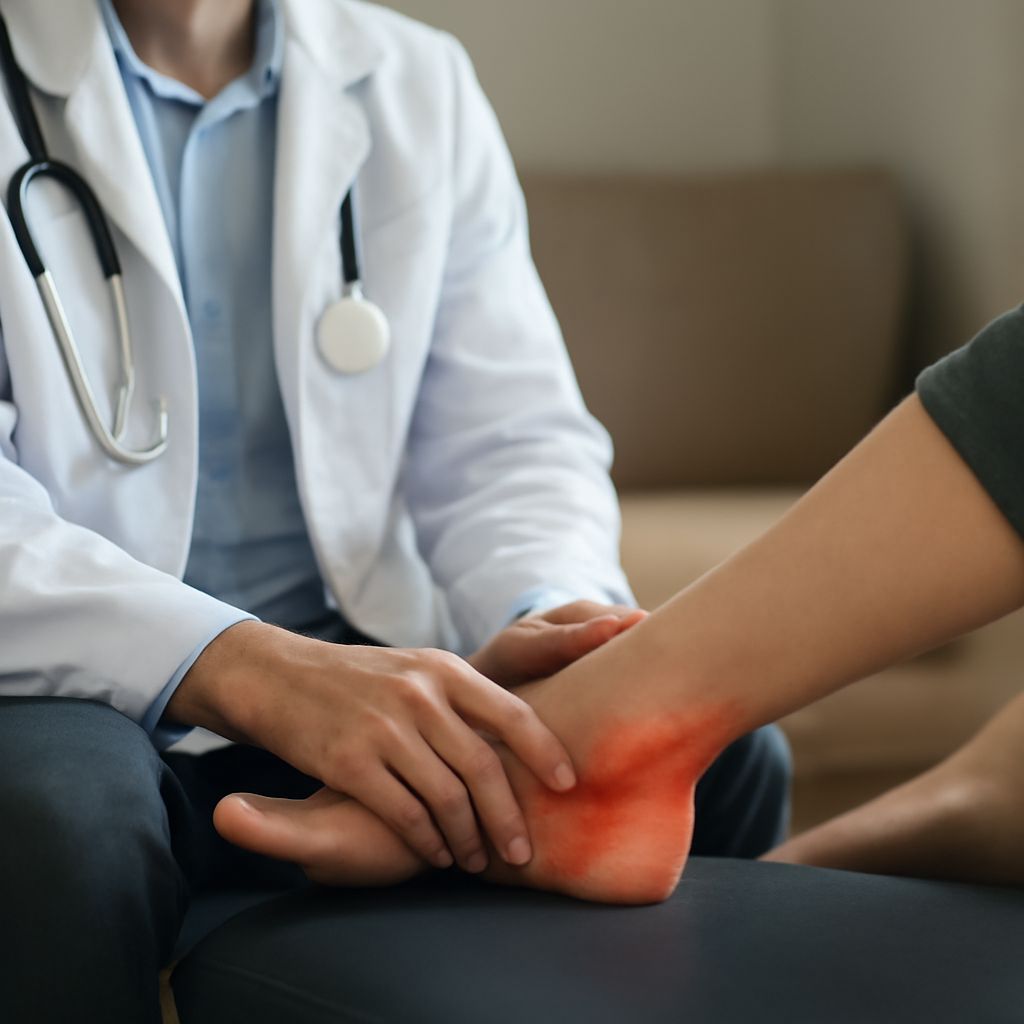
Heel pain can severely disrupt daily routines, making even short walks uncomfortable. Understanding the specific causes of pain in back of heel and elsewhere is essential for choosing both immediate relief and long-term solutions. Identifying heel pain causes early allows for targeted care and helps avoid further complications.
Many ask, “Why does my heel hurt?” The answer varies, but recognizing the underlying issues can prevent ongoing problems. Learning about pain in back of heel, practical prevention steps, and when to seek medical guidance puts control back in your hands and keeps you moving comfortably.
Understanding Heel Pain: Common Symptoms and When to Worry
Heel pain presents in several forms, each with distinct sensations. Some describe a sharp, stabbing discomfort, particularly during the first steps after waking or following periods of rest. Others notice a dull ache that intensifies with activity or pressure. Swelling, redness, and warmth near the base of the foot or at the back of the heel can also occur.
It’s important to monitor how symptoms progress. Sudden, severe pain that begins after an injury could indicate a fracture or tendon rupture. Persistent swelling, inability to bear weight, or tingling and numbness spreading into the foot require prompt evaluation. Infections may cause increasing redness, heat, and even fever, signaling an urgent need for professional care.
For many people, mild symptoms begin gradually and worsen without addressing the root cause. Pain that interferes with walking, standing, or daily chores for more than a week should not be ignored. Early intervention often prevents chronic issues and speeds up recovery.
Recognizing the patterns—whether pain is worse in the morning, after exercise, or with certain shoes—provides valuable clues for diagnosis and effective treatment. Keeping a daily log of pain severity, triggers, and any changes in foot appearance can assist health professionals in identifying the source.
Why Does My Heel Hurt? Top Heel Pain Causes You Should Know
Several conditions can contribute to ongoing heel pain. The most frequent culprit is plantar fasciitis, where the thick band of tissue supporting the arch becomes inflamed. Partial tearing or microtrauma in this fascia often results from overuse, standing on hard surfaces, or sudden increases in activity. Plantar fasciitis typically causes pain across the bottom of the heel, especially with the first steps of the day or after sitting for prolonged periods.
Another key factor is Achilles tendinitis. Repetitive stress or tight calf muscles can inflame the Achilles tendon, which connects the calf to the back of the heel. This creates tenderness and swelling at the attachment point, with discomfort rising after exercise. Stress fractures—tiny bone cracks from repeated impact—can also produce persistent heel pain. These are more common among runners and those with abrupt activity level changes.
Additional heel pain causes include bursitis, where the fluid-filled sacs cushioning the heel bone become inflamed, and nerve entrapment syndromes, such as tarsal tunnel syndrome. Children may experience Sever’s disease, a growth plate irritation resulting from rapid bone changes combined with physical activity.
Each of these reasons involves different tissues and mechanisms, requiring tailored management. Identifying the exact source—whether from bone, soft tissue, or nerve—guides both home care and professional recommendations.
Pain in Back of Heel: Key Reasons and Risk Factors
Pain centered at the back of the heel often points to issues involving the Achilles tendon or surrounding structures rather than the bottom surface. Achilles tendinitis is a frequent cause, especially among athletes, walkers, and anyone increasing physical intensity without proper stretching. Microtears in the tendon’s fibers, or gradual degradation from long-term strain, create swelling and tenderness at the rear of the heel.
Retrocalcaneal bursitis, involving the small fluid sac between the Achilles tendon and heel bone, can result from shoes with stiff backs or excessive uphill walking. This swelling may feel like a soft lump at the back of the heel, especially when squeezing the area or wearing certain footwear.
In some cases, a bony prominence called a Haglund’s deformity develops, exacerbating pain in back of heel. Factors increasing risk include rigid shoes, high-impact sports, genetic predisposition to foot shape, obesity, and tight calf muscles. Children and teens in sports may also be susceptible as their bones and tendons grow at different rates.
Evaluating these contributing elements—activity levels, footwear, and anatomy—helps in choosing interventions that reduce irritation and restore comfort efficiently.
Effective Ways to Relieve Heel Pain at Home
Most mild-to-moderate heel discomfort responds well to home-based strategies. Rest is vital; temporarily reducing activities that provoke pain allows damaged tissues to recover. Applying ice packs for 15–20 minutes several times a day can decrease swelling and numb soreness. Elevating the foot after long periods of standing also helps control inflammation.
Supportive footwear with cushioned insoles or heel cups redistributes pressure and can alleviate both general heel pain and pain in back of heel. Avoiding unsupportive, worn-out shoes is essential for effective relief. For tight calf muscles or plantar fascia, gentle stretching exercises—such as wall stretches or towel pulls—performed for 30 seconds, 3–5 times daily, can improve flexibility and reduce strain.
Over-the-counter pain relievers like acetaminophen or NSAIDs may ease symptoms but should be used as directed and not as a sole treatment. Self-massage, rolling the foot over a frozen water bottle, or using a foam roller along the calf and arch, can further promote healing. Monitoring progress over a one- to two-week period provides measurable feedback on which strategies work best.
Consistency in applying these home remedies, combined with attention to activity modification, gives most people significant improvement without further intervention.
When to See a Doctor About Heel Pain
Professional evaluation becomes necessary when pain persists beyond two weeks despite home care, or if symptoms suddenly worsen. Signs such as inability to walk, visible deformity, or pain following a traumatic injury should be addressed promptly to rule out fractures, tendon tears, or infections.
Other warning indicators include persistent swelling, tingling, numbness, loss of foot strength, or skin changes indicating poor blood flow. People with diabetes or immune deficiencies are at higher risk for complications and should not delay seeking advice.
Doctors may use physical exams, X-rays, ultrasound, or MRI scans to determine the root cause and rule out rare but serious conditions. Early intervention can prevent long-term disability and enables targeted therapies such as physical therapy, custom orthotics, or corticosteroid injections.
Timely medical input ensures appropriate care for complex cases, minimizing risks and supporting a faster, more complete recovery.
Preventing Heel Pain: Healthy Feet and Ankle Tips
Maintaining strong, flexible feet and ankles is the foundation of heel pain prevention. Gradually increasing activity levels, rather than sudden changes, gives tissues time to adapt. Prioritizing well-fitting, supportive footwear—avoiding high heels, flip-flops, or shoes lacking arch support—reduces repetitive strain and secures proper alignment.
Regular stretching of the calves and plantar fascia, especially before and after exercise or prolonged standing, helps maintain tissue elasticity. Strengthening foot and ankle muscles through exercises like toe curls, marble pickups, or balance drills can reinforce stability and absorb impact forces more efficiently.
Managing weight through balanced nutrition and routine physical activity lessens the load on heels, decreasing the risk of developing pain. Periodic checks for shoe wear and foot health—looking for calluses, blisters, or changes in skin color—enable early action if problems develop.
By adopting these practical steps, individuals can minimize heel pain causes, support ongoing comfort, and keep moving with confidence in their daily lives.