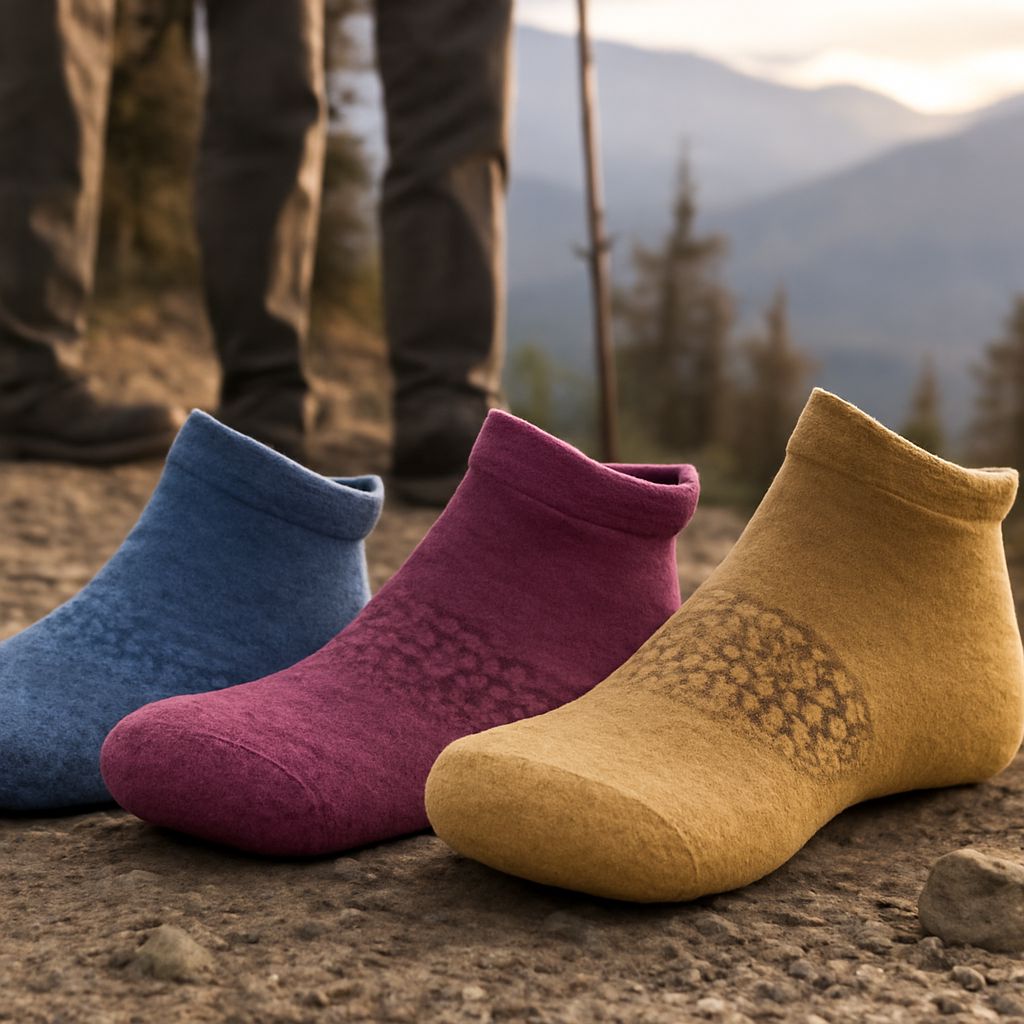
Choosing the best hiking socks can make or break your time on the trail. The right pair cushions every step, keeps blisters at bay, and lets your feet breathe efficiently—even on summer’s hottest days. Whether planning a day hike or a multi-day trek, investing in the best hiking socks for women unlocks all-day comfort and protection from the start of your journey to the final mile.
Women hikers, in particular, benefit from socks tailored for their unique fit and specific needs. Top-rated options offer advanced features and materials designed to prevent blisters, support foot health, and maintain cool, dry comfort even during strenuous hikes. Let’s explore what sets these socks apart and how to find the pair that matches your adventure style.
Why the Best Hiking Socks Matter for Every Trail Adventure
For any hiking enthusiast, the difference that quality socks make often becomes clear only after logging a few miles on rugged terrain. Socks engineered for hiking, rather than generic athletic or cotton options, use fibers and construction methods that target the unique demands of uneven trails, variable temperatures, and heavy packs. The result is better moisture management, less friction, and critical support at pressure points like the heel and arch.
Typical athletic socks, especially those with a high percentage of cotton, tend to retain sweat. When moisture accumulates, the risk for blisters rises sharply. In contrast, the best hiking socks use blends of merino wool, synthetics, or technically advanced fibers. These materials wick away sweat, allow the skin to breathe, and dry quickly—vital for staying comfortable during extended hikes or rapidly changing weather.
Another often-overlooked benefit is temperature regulation. Top hiking socks for summer include ventilation zones and thinner weaves in targeted areas, helping to disperse excess heat. Cooler feet mean less fatigue and a lower chance of developing hot spots that can lead to blisters. For women, well-designed socks also account for foot shape and sizing differences, meaning less bunching and smoother seams, which further cuts down on irritation.
Finding the Best Hiking Socks for Women: Fit, Features, and Comfort
Women’s hiking socks are engineered with specific considerations in mind, from narrower heel designs to adjusted arch support. Selecting the best hiking socks for women starts with sizing, as a secure but not constricting fit is crucial. Too much slack leads to wrinkling and friction, while overly tight socks can restrict circulation and worsen swelling on long hikes.
Material selection matters, too. Merino wool remains a top pick for many, as it combines natural odor resistance, thermal balance, and softness. However, newer synthetic blends, like those using nylon, polyester, and elastane, have advanced quickly—offering lightweight performance and durability, especially when hiking in hot weather. Seam placement is another tactile detail to check: flat or seamless toe closures prevent rubbing at sensitive points.
Padded zones distinguish the best hiking socks for women, focusing cushioning at the ball and heel for shock absorption on rocky trails. Meanwhile, strategic mesh panels boost airflow across the instep and forefoot. Some brands now offer gender-specific left and right socks to match anatomical curves and pressure patterns. It’s worth trying socks on with your actual hiking boots—spend a few minutes walking around, checking for bunching or slipping, and confirming that the sock height aligns with boot collars to prevent abrasion.
Best Hiking Socks to Prevent Blisters and Stay Cool in Summer
Few things derail a hike faster than a blister. When searching for the best hiking socks to prevent blisters, focus on designs that minimize internal movement and trap less heat. Avoid thick, loose-knit socks, as extra fabric in contact with the skin creates more opportunity for friction as you move. Instead, look for snug, form-fitting options with double-layer construction or reinforced heels and toes to shield your skin from repeated impact.
Advanced fibers play a key role in both blister prevention and temperature management. Merino wool, while well known, is now commonly blended with durable synthetics to enhance longevity and further speed moisture transfer. Some top-rated hiking socks feature hydrophobic yarns that channel sweat outwards, keeping feet dry even during intense climbs or on summer hikes when temperatures soar. These features work together to support blister prevention and help regulate foot temperature so hikers can focus on the trail, not their footwear.
Summer hiking brings unique challenges: heat, humidity, and often longer daylight hours spent on the move. The best hiking socks for hot weather utilize open-knit mesh zones, lighter overall weight, and quick-dry technology. Anti-bacterial treatments or silver ion-infused fibers help control odor build-up after hours of wear. To stay cool and comfortable, it’s helpful to pack an extra pair of socks in a breathable stuff sack—swap out at midday or after creek crossings, and allow damp socks to dry on your pack for later use. This simple routine significantly reduces blister risk and helps maintain foot freshness throughout your journey.
Trail testers advise replacing socks every 300 to 500 miles, or as soon as you notice thinning in high-wear areas. After each hike, wash socks in cold water using mild detergent, and air dry flat to keep elastic and cushioning in top condition. With the right care and a thoughtful selection, your socks will provide reliable comfort, protection, and support, making every adventure more enjoyable.
Safety recap: Prioritize socks with reinforced zones and seamless construction to guard against blisters. Follow proper sock care and replacement schedules to maintain foot health, especially when using color care detergents or specialized hiking tools. Well-chosen socks are a simple step toward safer, happier trails.