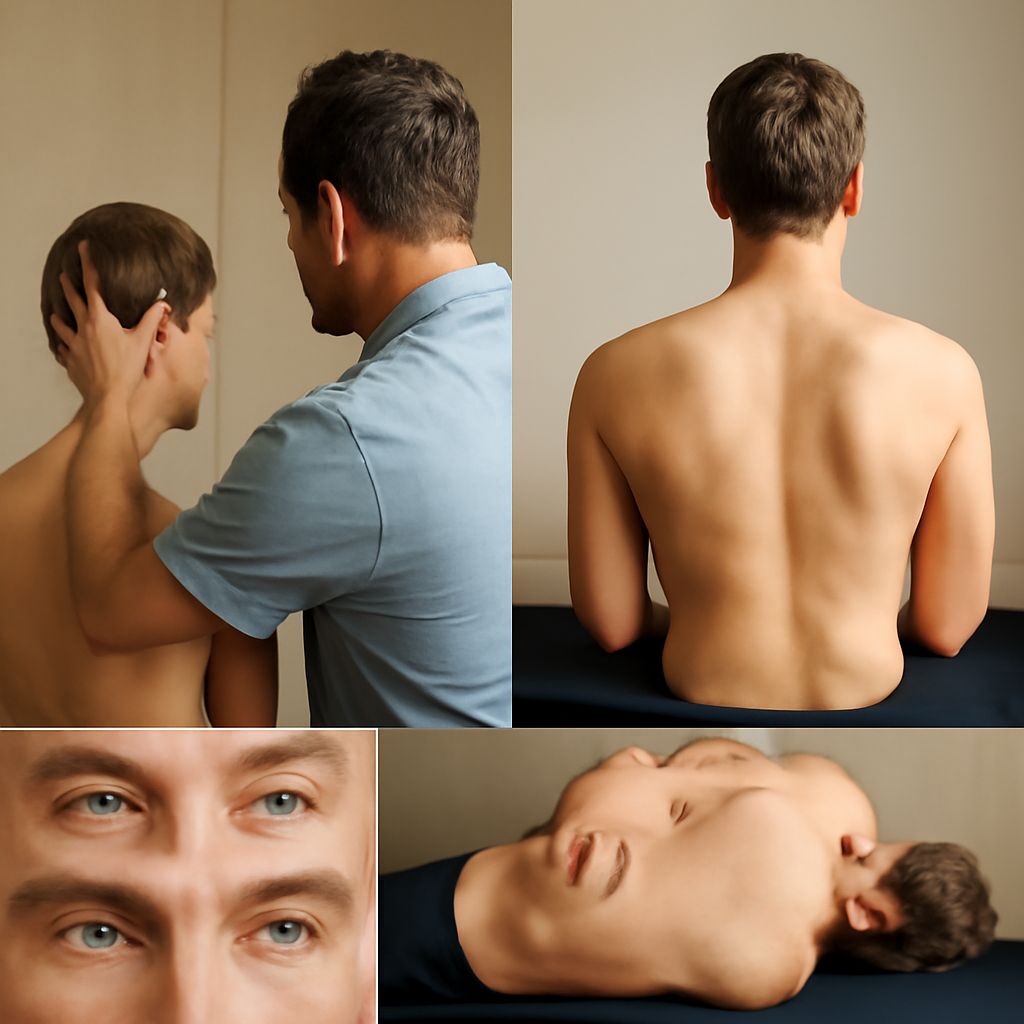
For individuals suffering from dizziness and imbalance, finding effective relief can transform daily life. One of the most recommended vertigo exercises is the Epley Maneuver, a technique that can help reposition ear crystals. Serving as a potent tool for BPPV treatment, this maneuver provides relief by addressing the root causes of vertigo. By understanding and implementing these exercises, individuals can regain balance and stability.
Understanding the Epley Maneuver
The Epley Maneuver is a series of head and body movements specifically designed to alleviate symptoms of Benign Paroxysmal Positional Vertigo (BPPV). This common condition occurs when calcium carbonate crystals, or otoconia, become dislodged from their usual location in the inner ear. These loose particles can cause significant dizziness and imbalance.
This maneuver aims to guide these crystals back into the utricle, the part of the ear where they belong. By repositioning these ear crystals, the Epley Maneuver offers a non-invasive BPPV treatment that targets the problem at its source.
Step-by-Step Guide to Vertigo Exercises
Performing the Epley Maneuver correctly is crucial for effectiveness. It is often recommended to do this exercise under the supervision of a healthcare professional, especially for those attempting it for the first time.
- Initial Position: Begin by sitting upright on a flat surface, legs extended. Rotate the head 45 degrees towards the affected ear.
- Lie Back Quickly: Swiftly lie back with shoulders supported on a pillow and head reclined. Maintain the 45-degree head turn and hold for 30 seconds to allow crystals to start moving.
- Rotate Head: Turn the head 90 degrees to the opposite side without lifting it. Hold this position for another 30 seconds.
- Further Rotation: Roll onto the shoulder of the unaffected side, turning the head an additional 90 degrees downwards. Wait for 30 more seconds.
- Return to Original Position: Finally, return to an upright sitting position. Sit quietly for several minutes to regain composure.
Repeating these vertigo exercises may be necessary for full relief. Many find that performing the maneuver two to three times in succession optimizes their results.
How Ear Crystals Affect BPPV Treatment
The role of ear crystals in balance and spatial orientation is crucial. Within the vestibular system, these tiny crystals help the brain interpret signals of movement and positioning. When they become dislodged, it disrupts this delicate system, leading to symptoms of dizziness and vertigo.
Effective BPPV treatment relies on accurately repositioning these ear crystals. The Epley Maneuver is uniquely designed for this purpose, making it a preferred choice among healthcare professionals. By understanding the relationship between the maneuver and the vestibular system, patients can appreciate the importance of precise execution.
Consistency in performing these exercises can significantly reduce vertigo episodes, maintaining the ear crystals in their proper location.
Next Steps: Regular practice of the Epley Maneuver can enhance stability and reduce symptoms over time. Consulting with a healthcare provider can provide further personalized guidance and ensure the technique is performed correctly. Monitoring progress and adjusting the frequency of exercises based on symptom relief can optimize outcomes.