Pain involving the pelvic floor can be felt as an ache, pressure, or discomfort in the pelvis and nearby areas. Muscles that remain tense or have difficulty relaxing can be part of the picture, but pelvic pain can also have urinary, bowel, reproductive, nerve, or other causes. A clinical assessment helps distinguish these possibilities and identify when more than one factor is involved.
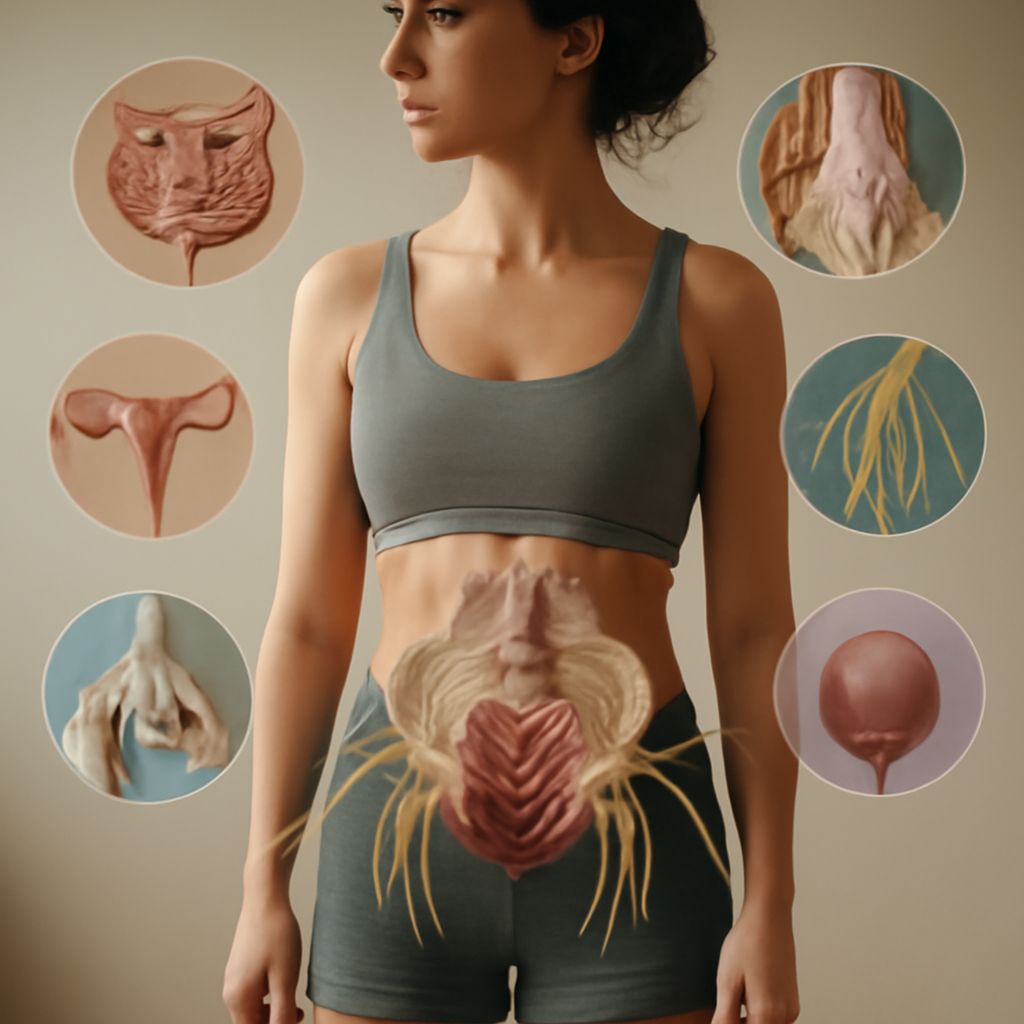
The pelvic floor is a group of muscles and connective tissues at the base of the pelvis. These muscles support pelvic organs and help with bladder and bowel control and sexual function. They need to both contract and relax; a problem with either action can affect comfort and function.
Pelvic Floor Tightness: What Does It Describe?
Pelvic floor tightness is a description of muscles that may be held in a contracted state or have difficulty relaxing. Some clinicians use the term hypertonic pelvic floor. The Cleveland Clinic describes this as a condition involving spasm or sustained contraction of pelvic floor muscles. Tightness is a finding to discuss in context, not a diagnosis that can be made from a general feeling of pressure alone.
Muscle tension in the pelvic floor may be associated with pain, difficulty emptying the bladder or bowel, or discomfort during sexual activity. Symptoms differ between people and can occur for reasons unrelated to these muscles. A clinician considers the full pattern, including when symptoms occur and whether there are urinary, bowel, or other changes.
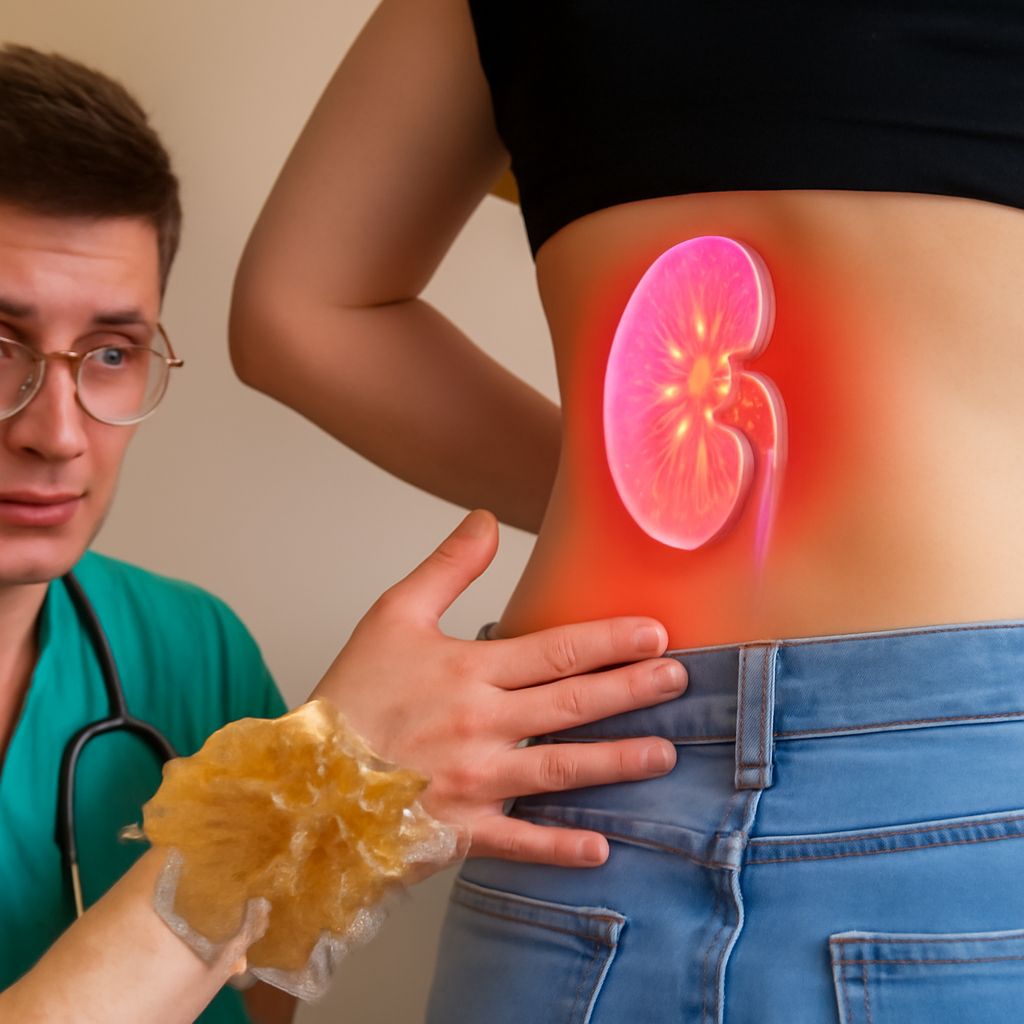
In pelvic floor muscles, pain may occur when an area is sensitive or the muscles do not relax comfortably. The discomfort may be felt in the pelvis itself or in nearby areas such as the lower back or hips. Location alone does not reveal which tissue is responsible, and similar sensations can arise from different conditions.
What does tension myalgia mean?
The word myalgia means muscle pain. Pelvic floor tension myalgia describes muscle pain associated with tension in the pelvic floor. A clinician may use the term when examination and history point toward muscles as a contributor. It describes a possible source of symptoms; it does not mean every sensation in the pelvis comes from muscle tension.
Pelvic floor muscle pain may be felt during sitting, movement, bowel movements, urination, or sexual activity, depending on the person and the cause. Some people notice a persistent ache, while others experience pain only in particular circumstances. Explaining the pattern is more useful than assuming that a single activity caused the problem.
A person may have muscular pelvic tension and another condition at the same time. For example, a clinician may need to consider a bladder or bowel problem alongside sensitive muscles. The Cleveland Clinic notes that pelvic floor dysfunction can occur alongside interstitial cystitis, a condition that causes bladder or pelvic pain. Assessment can help identify the different contributors rather than forcing every symptom into one explanation.
Why other causes matter
Pelvic floor pain is a description of where discomfort is experienced or where it may arise, not a complete explanation. Urinary infection, bowel conditions, reproductive conditions, and nerve or joint problems are among the possibilities a clinician may consider, depending on the person’s anatomy and symptoms. An injury, pregnancy, surgery, or a change in urinary or bowel function can also be relevant to the history.
A sensation of pelvic muscle tightness does not rule out another condition. For example, pain with urination may need evaluation for a urinary cause; pain associated with a menstrual cycle may prompt a different set of questions. A clinician can decide whether an examination, urine test, imaging, or another assessment is appropriate.
Some pelvic symptoms require faster attention. Seek urgent medical advice for pelvic pain with fever, vomiting, difficulty urinating, blood in urine or stool, unusual bleeding or discharge, or possible pregnancy. Severe or worsening pain, fainting or marked dizziness, shoulder-tip pain, trouble breathing, or heavy vaginal bleeding warrants emergency care. Call 911 if symptoms are severe or the person cannot travel safely.
What happens during an assessment?
A clinician may ask when the pain began, where it is felt, whether it is constant, and what makes it better or worse. Questions may cover bladder and bowel habits, movement, sexual activity, sleep, menstrual history where relevant, prior injuries, pregnancy, surgery, and medicines. The purpose is to understand both the symptoms and their effect on daily life.
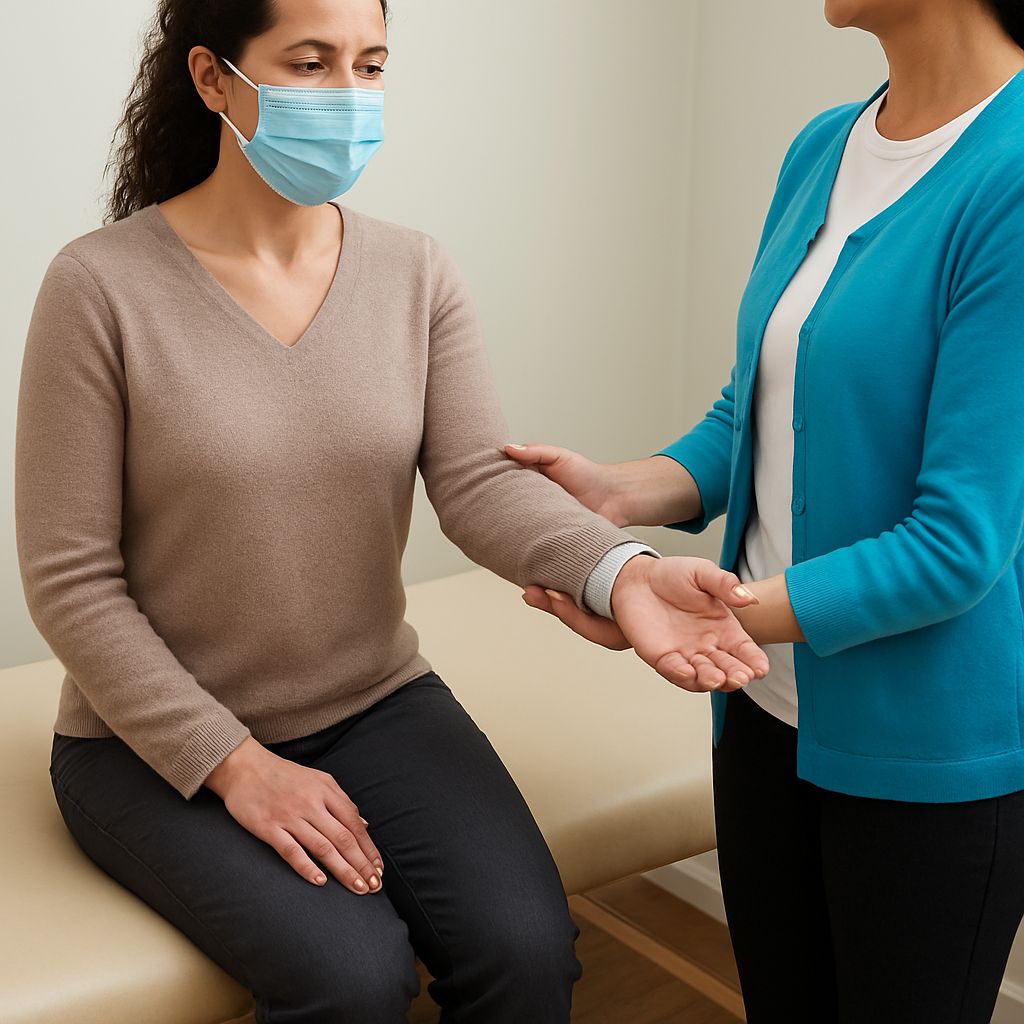
An examination depends on the situation. It may include the abdomen, hips, back, and pelvic muscles; an internal pelvic examination may be discussed when clinically relevant. The clinician should explain what the examination involves and ask for consent. A patient can ask questions, request a pause, or discuss alternatives before proceeding.
When a muscle component is identified, a clinician may recommend pelvic floor physical therapy or another approach suited to the findings. Therapy may address how muscles move and relax as well as their strength. Strengthening exercises are not automatically the first step for every person with pelvic discomfort; an individual plan follows the assessment.
Living with symptoms while seeking answers
Pelvic floor pain can affect sitting, work, rest, and sleep. A record of activities and symptoms can help reveal patterns without requiring a person to avoid every movement. Note whether a position changes the pain, how long the effect lasts, and whether other symptoms occur at the same time. A comfortable position may help with rest, but persistent discomfort still deserves evaluation.
If pelvic floor pain returns or does not go away, arrange a visit with a healthcare professional. The discussion can lead to a review of the diagnosis, treatment options, or referral to a specialist such as a pelvic floor physical therapist. New or worsening symptoms should be reported rather than assumed to be part of an existing muscle problem.
Before the appointment, write down where the discomfort is felt, when it began, any bladder or bowel changes, and the activities or positions that affect it. Bring the list and any questions about the examination; it gives the specialist a clear starting point for the conversation.