Obstructive sleep apnea occurs when the upper airway repeatedly narrows or closes during sleep. Breathing pauses can interrupt rest and lower blood oxygen. An oral appliance for sleep apnea is a treatment worn in the mouth that helps keep the airway open while a person sleeps.
A dental appliance used for sleep apnea is fitted as part of a broader care plan. A sleep physician evaluates the breathing problem, and a qualified dentist assesses the mouth, fits the device, and monitors its effects. The aim is to reduce breathing interruptions and their consequences while finding a treatment the patient can use consistently.
How the appliance helps breathing
During sleep, muscles that support the airway relax. In obstructive sleep apnea, soft tissues can move into the space behind the tongue and restrict airflow. A sleep apnea oral appliance changes the position of structures around that space so air can pass more freely. The effect varies with the person’s anatomy and the design and adjustment of the device.
The most common approach holds the lower jaw slightly forward. Because the tongue and other tissues are connected to the jaw, this position can increase space behind the tongue and reduce the tendency of the airway to collapse. The appliance is usually worn throughout sleep, including naps, according to the treatment plan.
The treatment addresses obstruction. Central sleep apnea, in which breathing effort is reduced because of changes in respiratory signaling, has a different mechanism and needs its own evaluation. A sleep study helps the clinician distinguish the pattern and measure its severity before treatment is chosen.
Dental appliance for sleep apnea: Main types
A mandibular advancement device fits over the teeth and holds the lower jaw forward. Many designs use upper and lower pieces connected by a mechanism that allows gradual adjustment. A qualified dentist can change the position in small steps, balancing breathing improvement with comfort and jaw function. These adjustable devices are often called titratable.
Another design holds the tongue forward, typically using a soft suction bulb. It acts on the tongue rather than using the teeth to position the jaw. The two designs work differently, and their fit depends on the person’s mouth and dental condition. A dental device for sleep apnea requires assessment of the teeth, gums, jaw joints, and available movement before a clinician can judge whether it is suitable.
Some products are sold as ready-made or boil-and-bite mouthpieces. For adults prescribed this treatment, the American Academy of Sleep Medicine and American Academy of Dental Sleep Medicine guideline favors a custom, adjustable device over a non-custom one. A custom device is made from impressions or a scan and fitted to the individual; adjustment and follow-up remain part of care.
Where treatment fits
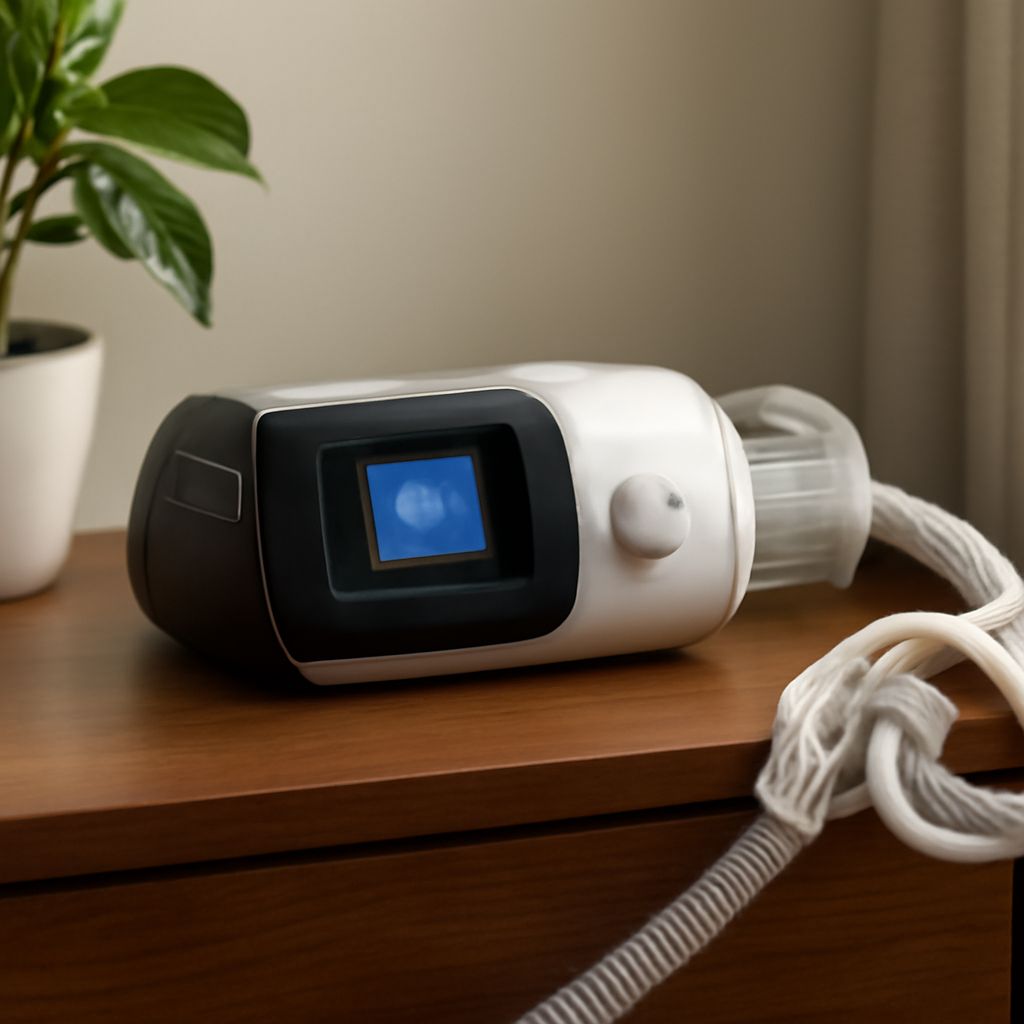
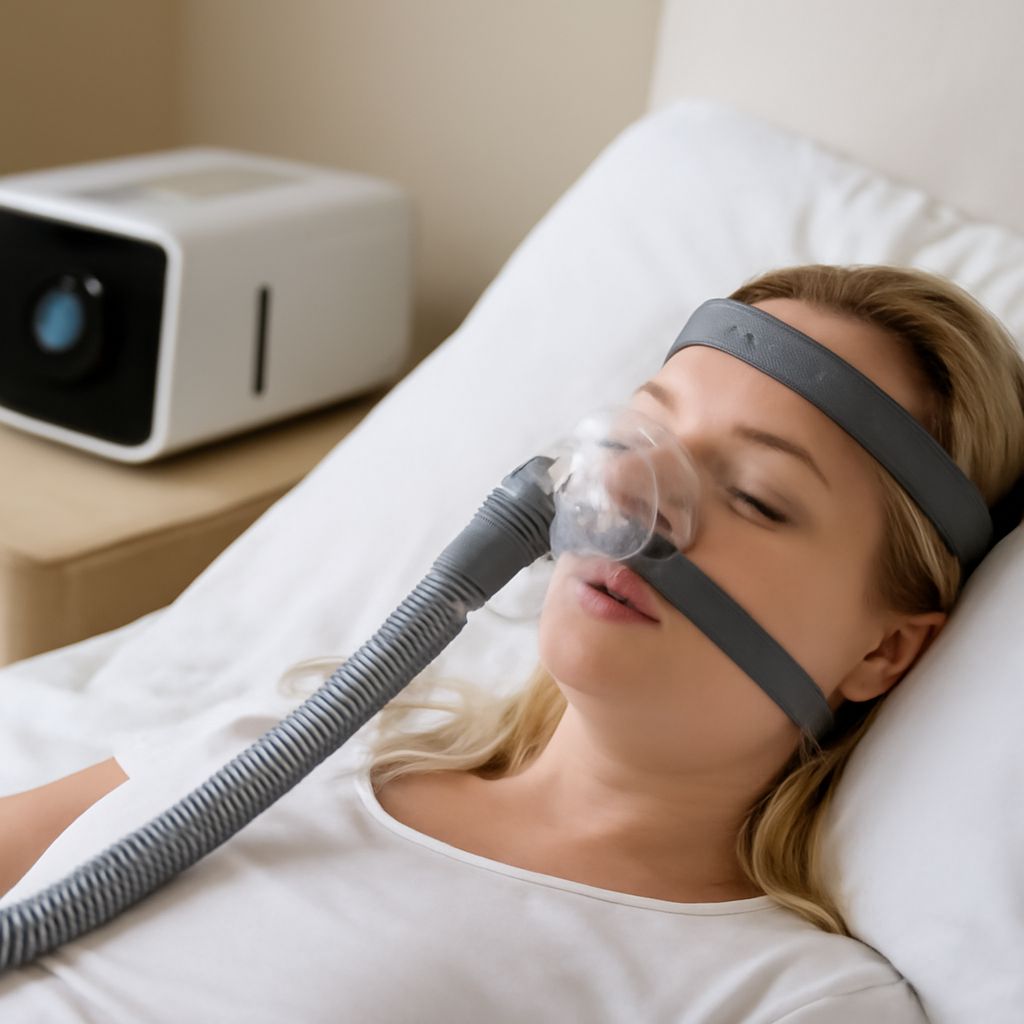
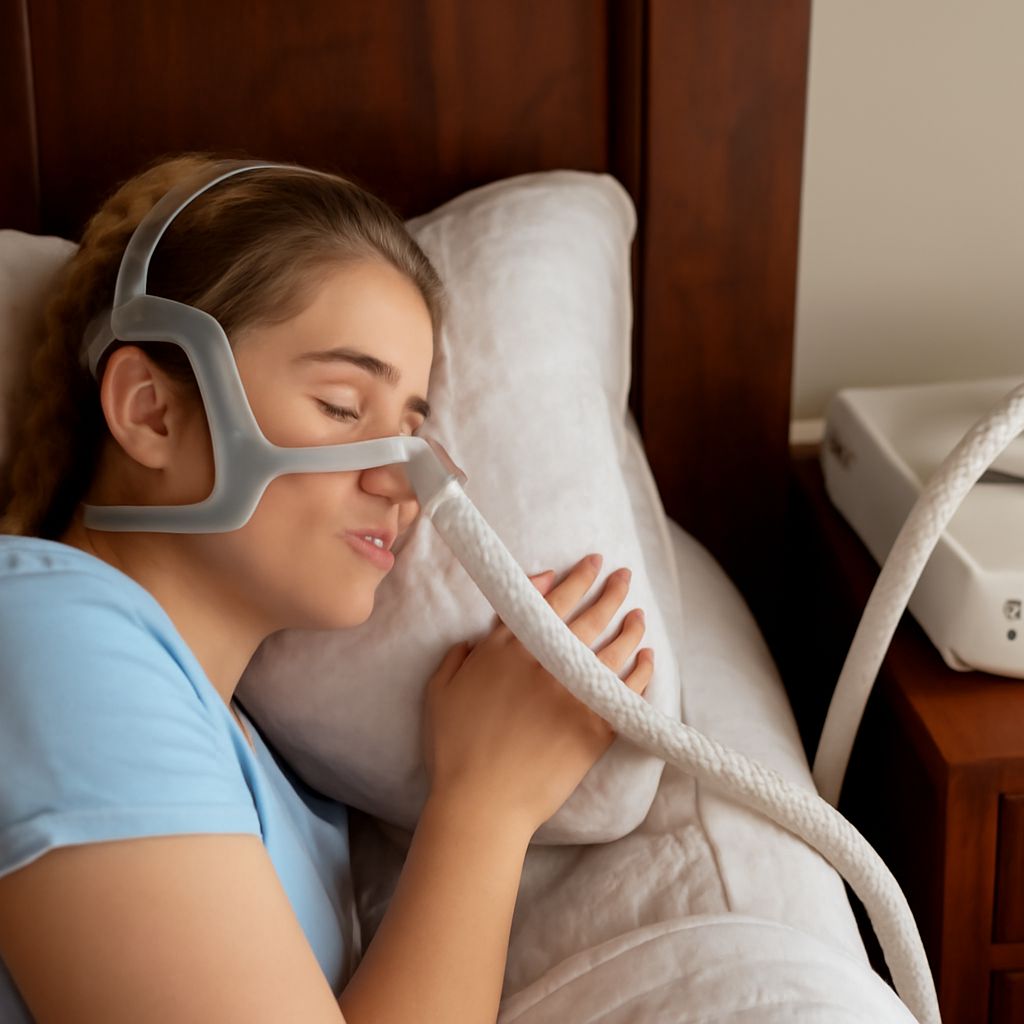
A sleep physician may consider oral appliance therapy for an adult with obstructive sleep apnea who cannot tolerate continuous positive airway pressure (CPAP) or prefers an alternative. CPAP delivers pressurized air through a mask to keep the airway open. Treatment with an oral appliance and CPAP differ in how they work and in the equipment used at night.
On average, CPAP reduces breathing events and improves oxygen measures more effectively. An appliance may nevertheless be a practical option for someone who can wear it consistently. Severity, sleep-study results, symptoms, dental health, and the patient’s preferences all matter in that discussion. A sleep apnea dental appliance can reduce the number of events without eliminating every event, so treatment success needs to be measured.
Snoring may become quieter as the airway is supported. A quieter bedroom alone cannot show whether oxygen levels and breathing interruptions have improved enough. Likewise, feeling more rested is valuable information, but it does not replace a follow-up assessment of breathing during sleep.
Fitting and adjustment
The process begins with a sleep evaluation and a diagnosis. The sleep physician reviews the study and discusses treatment options. If an appliance is prescribed, a qualified dentist examines the mouth and asks about loose teeth, gum disease, dentures, jaw pain, and other issues that could affect fit or tolerability. Dental problems may need attention before fitting.
The dentist takes a scan or impressions, then checks the finished appliance in the mouth. At delivery, the patient learns how to insert and remove it, clean it, and recognize a poor fit. An oral sleep apnea device should stay in place without causing persistent pain or damaging soft tissue. The dentist can explain which temporary sensations are expected and which problems warrant a call.
For an adjustable model, the starting position is usually conservative. The dentist then adjusts the jaw position gradually and asks about sleep, comfort, and any symptoms. A dental appliance for sleep apnea may need several visits to reach a position that can be worn comfortably. Changes should follow the clinician’s instructions; advancing the jaw aggressively can increase discomfort.
Follow-up and everyday care
After fitting and adjustment, the sleep physician may arrange a follow-up sleep test with the appliance in place. The results show whether breathing events and oxygen levels have improved and help guide further adjustment or another treatment plan. The clinical guideline also recommends periodic visits with both the sleep physician and qualified dentist.
Oral appliances for sleep apnea can cause excess saliva or dry mouth, tooth tenderness, jaw discomfort, and changes in the way teeth meet. Some effects occur early; bite changes can develop over time. A dentist monitors the bite, teeth, gums, and jaw and can assess whether an adjustment is needed. Persistent pain, loose teeth, or a device that no longer fits should prompt contact with the dental team.
Dental devices for sleep apnea also need routine cleaning and inspection. Follow the manufacturer’s and dentist’s instructions for cleaning, drying, and storage, and avoid heat or cleaners that could damage the material. Bring the appliance to follow-up visits so its condition and fit can be checked. A cracked or distorted piece may need repair or replacement.
Changes in weight, renewed snoring, or a return of daytime sleepiness are reasons to update the sleep physician. Oral devices for sleep apnea and the treatment plan can then be reassessed, with repeat testing when appropriate. Ongoing care connects the comfort of wearing an appliance with evidence that it is controlling the breathing problem.