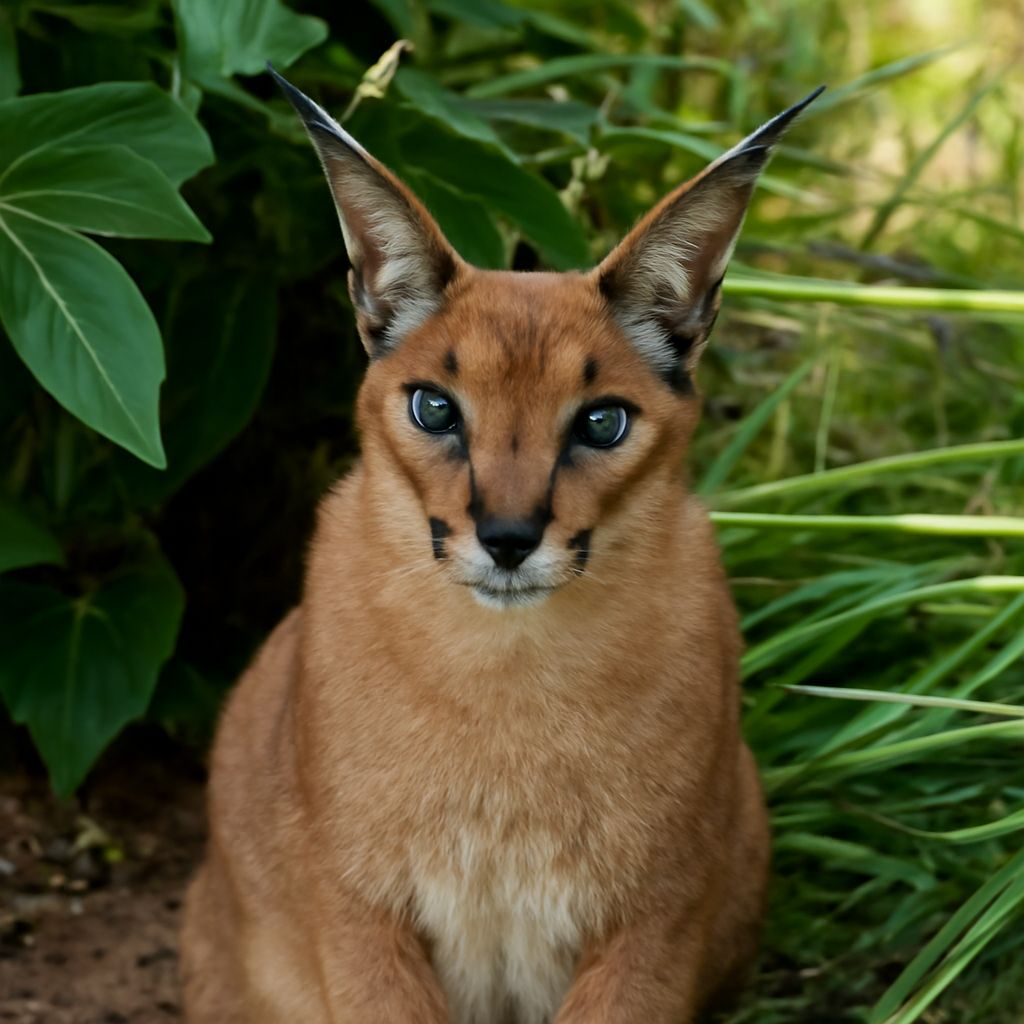
The African Lynx, commonly known as the Caracal, captivates wildlife enthusiasts with its distinctive appearance and enigmatic behaviors. Among the many fascinating aspects of this wild cat is its unique sleep pattern. Understanding how the Caracal wild cats sleep can offer insights into their survival strategies and ecological adaptations. By delving into these patterns, one can appreciate the complex interplay between the Caracal’s resting habits and its environment, ultimately highlighting the broader significance of sleep in the animal kingdom.
Introduction to Caracal and African Lynx
The Caracal, often referred to as the African Lynx, is a medium-sized wild cat found across various regions in Africa and parts of the Middle East. Recognizable by their tufted ears and streamlined body, Caracals are solitary and predominantly nocturnal animals. They have adapted remarkably well to diverse habitats, ranging from savannas and forests to arid regions, demonstrating their resilience and adaptability.
The Sleep Habits of Caracal Wild Cats
Caracal wild cats exhibit a series of intriguing sleep habits that reflect their survival instincts and adaptability. Typically, Caracals are crepuscular, meaning they are most active during the twilight hours of dawn and dusk. This pattern allows them to avoid the intense heat of the day and the heightened activity of other predators at night. During their rest periods, Caracals seek shelter in dense vegetation or rocky crevices, where they can remain concealed from both prey and potential threats.
The duration and depth of their sleep vary depending on factors such as age, diet, and environmental conditions. Juvenile Caracals tend to sleep more as they require ample rest to support their rapid growth and development. In contrast, adult Caracals may have shorter, more vigilant sleep periods, allowing them to remain alert to their surroundings.
How Environment Affects Caracal Sleep Patterns
The environment plays a pivotal role in shaping the sleep patterns of Caracals. In areas where human activity is prevalent, these cats have been observed to adjust their activity cycles to avoid encounters with humans, often becoming more nocturnal. Similarly, in regions with high predator densities, Caracals might alter their resting locations and times to enhance their safety.
Seasonal changes also influence their sleep behavior. During cooler months, Caracals may extend their active periods as lower temperatures make hunting more comfortable, while the warmer months might see them taking refuge during the hottest parts of the day. Access to food resources, such as the availability of prey, can also dictate rest periods; an abundance of food might allow for longer rest intervals as hunting success increases.
Comparing Caracal Sleep to Other Wild Cats
Caracals share some similarities with other wild cats regarding sleep habits, yet they also demonstrate distinct differences. Unlike the African Lion, which often sleeps for up to 20 hours a day, Caracals have a more moderate sleep schedule that aligns closely with their solitary lifestyle and smaller size. Leopards, another predator in their ecosystem, also adjust their sleep based on environmental pressures, but Caracals often show more flexibility in their activity cycles.
Compared to domestic cats, Caracals are less likely to engage in prolonged periods of deep sleep. Their wild instincts keep them more alert, balancing rest with the constant need for vigilance. This adaptability is a testament to their survival mechanisms in environments that can change rapidly.
Why Understanding Caracal Sleep Matters
The study of Caracal sleep patterns extends beyond mere curiosity; it provides valuable insights into the ecological dynamics of their habitats. By understanding how these wild cats rest, conservationists can better assess the health of ecosystems and the impact of external pressures such as habitat destruction and climate change. Furthermore, insights gained from studying Caracals can inform broader conservation strategies for other species facing similar environmental challenges.
Efforts to ensure the conservation of the Caracal and its natural habitat can benefit from such knowledge. Protecting these wild cats contributes to maintaining biodiversity and ecological balance, as they play a crucial role as both predator and prey within their ecosystems. By appreciating the complex sleep behaviors of the Caracal, stakeholders can advocate for policies that safeguard not only the species but also the intricate web of life that sustains them.