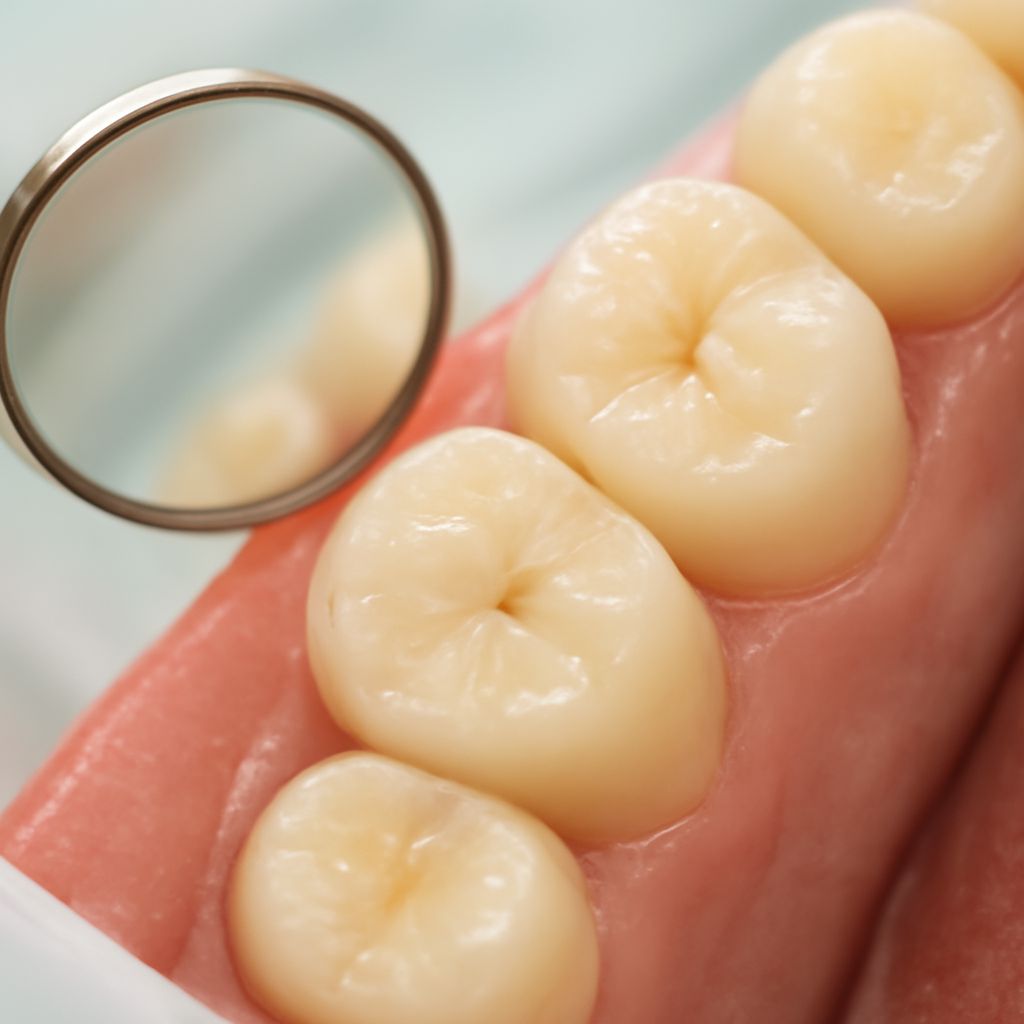
Maintaining optimal dental health is crucial not only for a confident smile but also for overall well-being. Early detection of cavities can save a lot of hassle, expense, and discomfort down the line. Understanding what a cavity looks like is the first step in addressing potential dental issues before they escalate. This guide provides insights on how to know if you have a cavity and outlines effective methods on how to get rid of cavities at their onset.
What Does a Cavity Look Like?
Cavities, also known as caries, are permanently damaged areas in the hard surface of your teeth that develop into tiny openings or holes. Different stages of cavities will have distinct appearances. Initially, a cavity may appear as a subtle chalky white spot that represents demineralization. As the condition progresses, these spots can turn brown or black. The most recognizable form is a visible hole or pit in the tooth, often accompanied by roughness or sensitivity. Being vigilant about these changes is essential to dental health.
Identifying an Early Cavity
In its early stages, a cavity can be tricky to spot. However, identifying an early cavity is key to preventing further deterioration. When examining teeth, look for areas that appear duller or more opaque compared to the surrounding enamel. These demineralized zones are often the first sign that decay is beginning. In some cases, an early cavity may cause slight tooth sensitivity, especially when consuming sugary foods or drinks. Regular dental check-ups remain the best way to catch these issues early, as dentists can often use special tools and x-rays to detect cavities that are not visible to the naked eye.
How to Know if You Have a Cavity
Experiencing certain symptoms can signal the presence of a cavity. Sensitivity to hot, cold, or sweet stimuli often indicates that decay has reached the softer inner material of the tooth. If you notice persistent tooth pain or discomfort when biting down, it could be a sign that a cavity is present. Additionally, visible holes or pits in the teeth and staining that persists despite regular brushing should not be ignored. A dentist can provide a definitive diagnosis through an examination, which may include probing the teeth for soft spots and taking x-rays for a comprehensive view.
How to Get Rid of Cavities
Addressing cavities in their early stages can prevent the need for more extensive treatments later. If caught early, fluoride treatments can help to remineralize tooth enamel and reverse the damage. For more advanced cavities, a dentist may need to remove the decayed portion of the tooth and fill it with a suitable material, such as amalgam or composite resin. In severe cases where decay has reached the pulp, a root canal might be necessary to save the tooth. It is vital to follow a prevention plan to reduce the risk of cavities forming in the first place. This includes maintaining oral hygiene by brushing with fluoride toothpaste, flossing daily, and minimizing the intake of sugary foods and beverages.
Key takeaways: Recognizing what a cavity looks like early on can prevent further dental complications. By focusing on symptoms and changes in your teeth, you can identify potential cavities sooner. Timely dental intervention and a solid oral hygiene routine are essential strategies on how to get rid of cavities and protect your dental health.