Unlocking the secret to a restful night’s sleep and alleviating persistent pain can be as simple as focusing on the often-overlooked quadratus lumborum (QL) muscle. Incorporating specific QL stretches into your routine not only aids in pain management but also improves overall sleep quality. Discover the transformative benefits of these stretches and enhance your well-being through intentional movement.
Learning how to stretch the quadratus lumborum effectively involves understanding the muscle’s role in your body’s mechanics. Delve into the importance of QL stretches and discover techniques that can seamlessly integrate into your daily routine, leading to significant improvements in both pain relief and sleep.
Understanding the Importance of QL Stretch
The quadratus lumborum is a thick, rectangular muscle situated deep within the abdomen and lower back. It plays a pivotal role in stabilizing the pelvis and spine, allowing for efficient movement and maintaining posture. This muscle often becomes tight due to prolonged sitting, poor posture, or physical stress, leading to discomfort and pain.
QL stretches are crucial because they alleviate tension and improve flexibility in this muscle, which can significantly reduce lower back pain. Regularly stretching the QL muscle contributes to better posture, increased range of motion, and enhanced spinal stability. By relieving tension in this critical area, individuals often experience a reduction in pain and an improvement in the quality of their sleep.
How to Stretch Quadratus Lumborum Safely
Preparation Steps for QL Muscle Stretch
Before beginning any QL muscle stretch, it’s important to prepare your body to prevent injury and maximize the benefits. Start by warming up with light aerobic activity, such as walking or gentle cycling, for 5 to 10 minutes. This increases blood flow to the muscles, making them more pliable.
Engage in some gentle dynamic stretches focusing on the hips and lower back to further prepare the target area. Consider incorporating movements like hip circles or pelvic tilts to engage the muscles surrounding the quadratus lumborum.
Effective QL Stretch Techniques
Once warmed up, you can proceed with specific QL stretch techniques. Here are some effective methods:
- Side Bend Stretch: Stand with your feet shoulder-width apart. Raise one arm overhead, and slowly lean to the opposite side until you feel a gentle stretch along the side of your torso. Hold for 20–30 seconds and repeat on the other side.
- Seated Side Stretch: Sit on the floor with your legs crossed. Place one hand on the floor beside you and extend the opposite arm overhead, bending your torso to the side. Hold for 20–30 seconds, then switch sides.
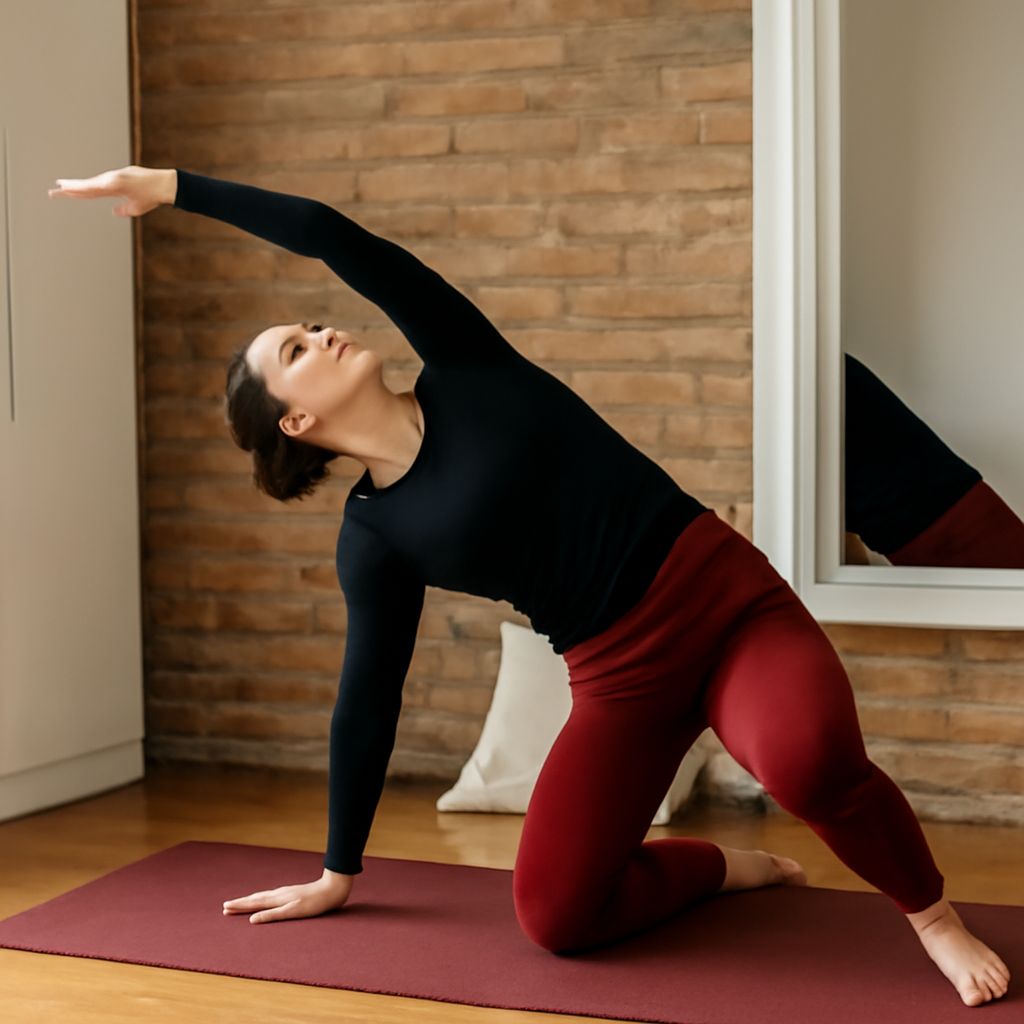
- Kneeling Reach Stretch: Start in a kneeling position. Extend one leg out to the side, keeping the foot flat on the floor. Lean toward the extended leg, reaching overhead with the opposite arm, and hold for 20–30 seconds before alternating sides.
These stretches can be performed daily to maintain flexibility and relieve tension in the QL muscle. As you practice these techniques, focus on maintaining steady breathing and moving slowly to avoid straining the muscles.
Incorporating QL stretches into your routine can provide measurable benefits. By dedicating just a few minutes each day, you can significantly reduce pain and enhance your sleep quality, leading to a healthier and more balanced lifestyle.