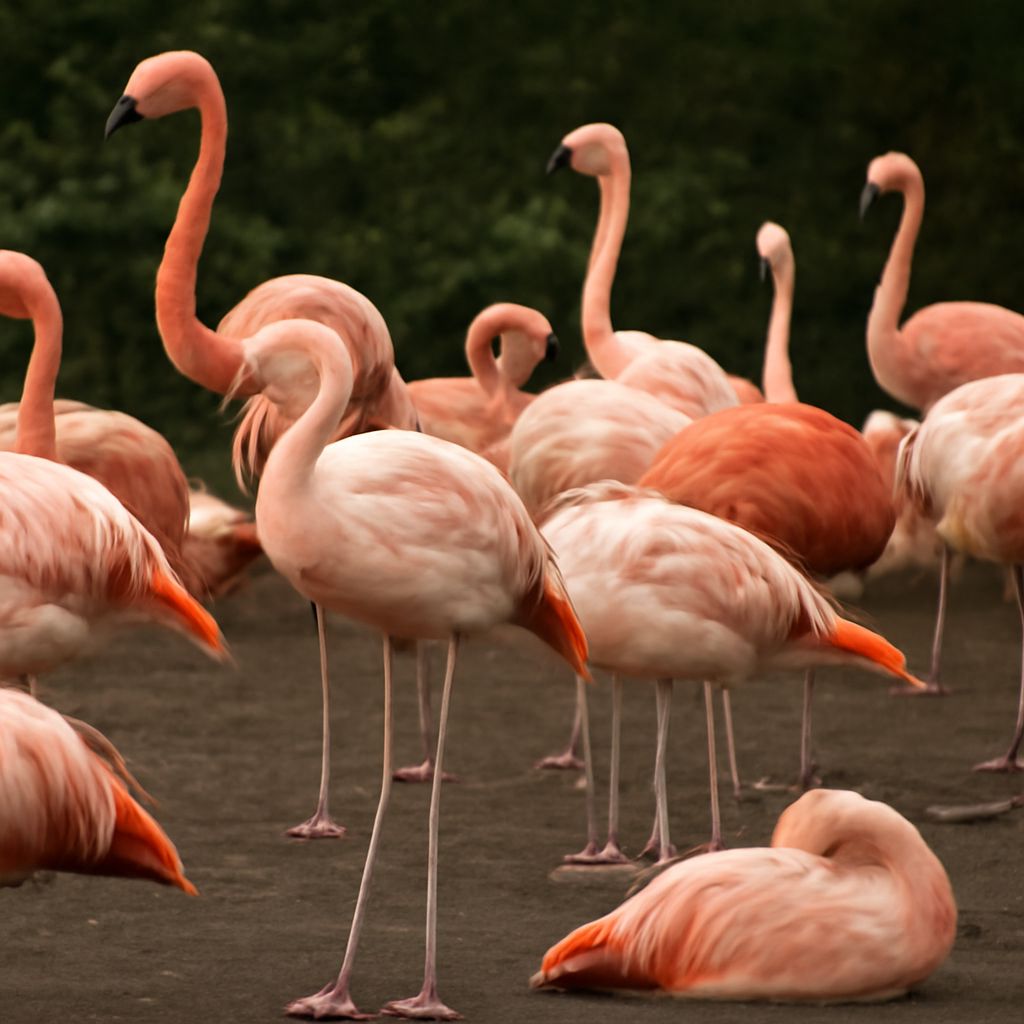
Understanding the sleep patterns of various animals reveals not only the diversity of nature but also the evolutionary adaptations each species has developed for survival. For instance, did you know that flamingos manage to sleep on one leg without falling over? Discovering these fascinating behaviors enriches our knowledge of the animal kingdom and provides insights into sleep’s role in the life of all creatures.
From the peculiar ways frogs manage their rest cycles to how moths, crickets, and ladybugs retreat to their own slumber, exploring animal sleep patterns like these gives us deeper insight into how life thrives in different environments. In this article, we delve into the mysterious world of animal sleep, examining the intriguing methods animals adopt when they catch their Z’s.
How Do Flamingos Sleep?
Flamingos have a unique way of sleeping that has intrigued scientists for years. These birds are often seen standing on one leg, even while they rest, which helps them conserve body heat and maintain balance. Their ability to lock their leg joints allows them to sleep without expending much energy. This peculiar posture facilitates their survival in the wild, offering a blend of rest and readiness to escape predators if necessary.
Moreover, flamingos have a unihemispheric slow-wave sleep pattern, meaning one half of their brain remains alert while the other rests. This adaptation is crucial for detecting threats while still getting the rest they need.
Do Frogs Sleep? Unraveling Amphibian Rest
Frogs do not sleep in the traditional sense but rather enter a state of torpor. During this time, their metabolic rate decreases, allowing them to conserve energy. This form of rest is particularly beneficial for survival during colder months or in environments with limited food resources.
Their amphibian nature means that frogs can adapt their rest patterns based on their surrounding environment. By leveraging this ability, frogs can remain alert to changes in their surroundings, ensuring their continued survival even in fluctuating conditions.
Do Moths Sleep? Understanding Insect Slumber
While it might be hard to imagine, moths do experience periods of rest that resemble sleep. Often, these insects will clamber into hidden places during the day, reducing their activity levels. This behavior is essential for conserving energy and avoiding predators.
Though their sleep cycles are not as clearly defined as in mammals, moths rely on these rest phases to maintain their energy levels for nighttime activities. Such adaptations allow them to thrive in a world filled with potential threats.
Do Crickets Sleep? Insights into Nocturnal Insects
Crickets are predominantly nocturnal, and their rest periods are largely dictated by their environment. They exhibit lowered activity levels during the day, which can be likened to sleep. This behavior helps them avoid predators and conserve energy.
Interestingly, crickets will often seek out dark, hidden areas to rest, making the most of their environment to ensure their safety. These patterns are vital for their survival, especially in areas where they are frequently preyed upon.
Do Ladybugs Sleep? Discovering the Rest of Beetles
Ladybugs, like many insects, experience rest periods that allow them to recharge for their active periods. They often find sheltered spots to rest, a behavior that serves as a defensive mechanism against predators. These rest periods are integral to their daily routine and survival strategy.
The rest that ladybugs experience is crucial for maintaining their health and energy levels, ensuring they can perform their ecological role as pest controllers effectively.
Why Understanding Animal Sleep Matters
Studying the sleep patterns of animals such as flamingos, frogs, moths, crickets, and ladybugs provides valuable insights into the adaptability and resilience of life. These observations not only enhance our understanding of each species but also highlight the interconnectedness of ecosystems.
By understanding how animals rest, we can better appreciate the complexity of nature and the evolutionary processes that shape it. This knowledge can inform conservation efforts and foster a deeper respect for the diversity of life on our planet.
Next steps: To further explore the sleep patterns of animals, consider observing local wildlife in their natural habitats, taking note of their rest behaviors. This practice can provide a practical understanding of the varied ways animals have adapted to their environments. Additionally, supporting local conservation efforts can help ensure these fascinating creatures continue to thrive.