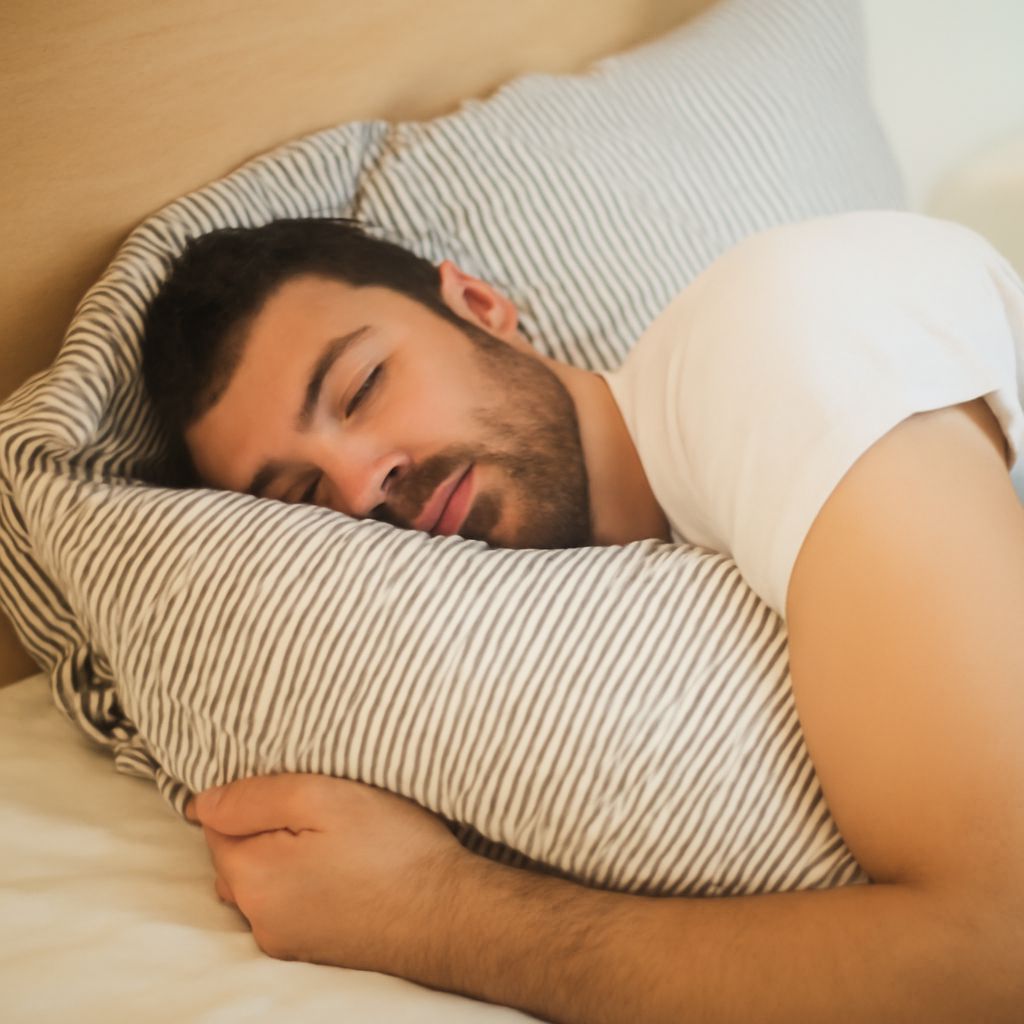
Ever wondered, “Why do I sleep with my eyes open?” or heard stories about people who can manage to sleep with one eye open? These interesting phenomena aren’t just myths; they are experiences backed by science. Understanding why some individuals sleep with their eyes open can help in addressing potential impacts on sleep quality and overall health.
Discover what causes this condition, how prevalent it is among the population, and learn how to manage it if it affects you or someone you know. This exploration not only answers whether people can indeed sleep with their eyes open but also provides insights into dealing with the situation effectively.
Why Do I Sleep with My Eyes Open? Exploring the Causes
Understanding Nocturnal Lagophthalmos
Nocturnal lagophthalmos is a condition where individuals cannot fully close their eyelids during sleep. This phenomenon, often leading people to wonder why they might sleep with their eyes open, can result from various factors, including anatomical differences or issues with facial nerves and muscles. When the eyelids do not completely seal, it can result in discomfort or even harm to the eyes over time.
Common Causes and Triggers
Several reasons may lead to sleeping with eyes open, ranging from genetic predispositions to physical trauma. Facial nerve dysfunction, often due to conditions such as Bell’s palsy, can impact the ability to close the eyes entirely. Additionally, some people may naturally have thinner or weaker eyelids, contributing to this condition. Understanding these causes is crucial for addressing the potential impact on the quality of sleep and eye health.
Sleeping with One Eye Open: Is It Possible?
The Science Behind Sleeping with One Eye Open
Sleeping with one eye open is not just a figure of speech but has a basis in biological instincts observed in certain animals. This practice, known as unihemispheric slow-wave sleep, allows one hemisphere of the brain to remain alert while the other rests. While more common in avian species and marine mammals, it raises curiosity about whether humans can have similar experiences. Although rare, some individuals report experiences akin to sleeping with only one eye open, often linked to stress or environmental factors prompting a partial alert state during rest.
People Who Sleep with Their Eyes Open: How Common Is It?
Statistics and Facts
While not extremely common, sleeping with eyes open affects a noticeable segment of the population. Studies suggest that a small percentage of people experience this condition regularly. However, prevalence may be underreported due to lack of awareness or misinterpretation of symptoms. Research continues to explore the frequency and causes of this unique sleep behavior.
Impact on Sleep Quality
The implications of sleeping with eyes open extend beyond simple curiosity. This condition can significantly impact the quality of one’s sleep and overall eye health. Exposure to light during sleep can disrupt the sleep cycle, leading to inadequate rest and daytime fatigue. Additionally, prolonged exposure of the eyes can lead to dryness, irritation, and damage. Understanding these impacts is vital for those who suspect they or a loved one may be affected.
What to Do If You’re Sleeping with Your Sister and Notice This
How to Address the Issue
If you notice that your sister or anyone else you share a sleeping space with seems to sleep with their eyes open, it’s important to address the issue with sensitivity. Start by discussing your observations and encouraging them to consult a healthcare professional. A thorough examination can identify underlying causes and help determine appropriate treatments. Solutions may include using eye protection, improving sleeping environments, or medical interventions to enhance eyelid function and safeguard eye health.
Bottom line: Sleeping with eyes open can affect sleep quality and eye health, but understanding the causes and impacts can lead to effective management. Whether it’s a question of “Why do I sleep with my eyes open?” or noticing someone else doing it, awareness and appropriate action can help mitigate potential issues.