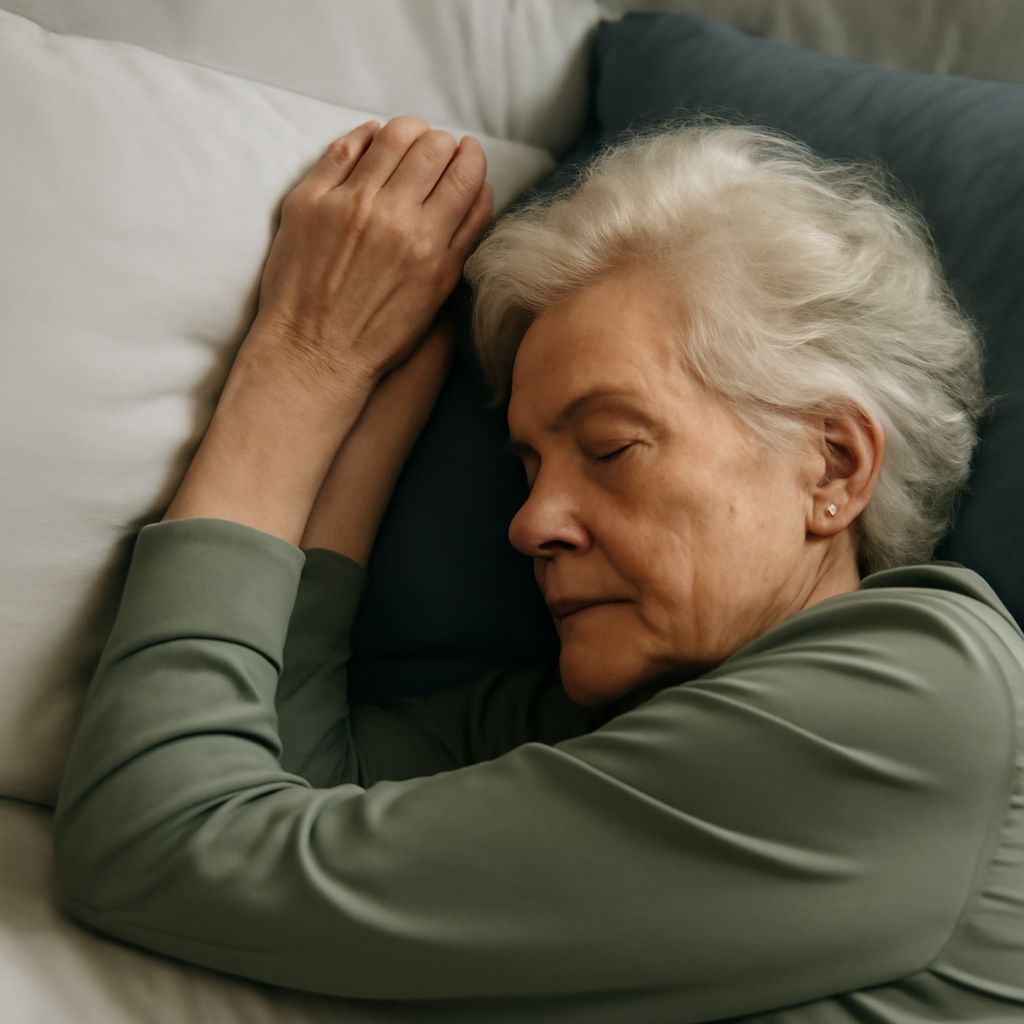
The natural aging process often brings changes in sleep patterns, leading many to wonder why elderly sleeping all the time seems common. For those caring for a 92-year-old sleeping all the time, understanding these changes can be crucial for proper care and reassurance.
Contrary to popular belief, elderly sleeping a lot is not always an indication of a serious problem. By learning about the typical reasons behind increased sleep in seniors, caregivers can better address and manage any concerns, ensuring that the elderly enjoy a good quality of life.
Understanding Why Old People Sleep So Much
Normal Sleep Changes with Aging
As people age, their sleep architecture undergoes significant transformations. It’s common for older adults to experience lighter sleep, with more frequent awakenings during the night. Additionally, they might find it difficult to achieve deep sleep stages, leading to a perception of poor sleep quality. Although the total sleep duration might not drastically change, older individuals often report feeling less rested.
These changes can partially explain why elderly sleeping patterns appear erratic. A study found that approximately 40% of seniors report some type of sleep problem, ranging from insomnia to excessive sleepiness. Such alterations are a normal part of aging and do not necessarily indicate underlying health issues.
Health Issues Affecting Sleep in the Elderly
While normal aging affects sleep, various health conditions prevalent among seniors can further disrupt rest patterns. Conditions such as arthritis, heart disease, and neurological disorders like Parkinson’s can contribute to sleep disturbances. Pain, discomfort, and nocturia are common complaints that can significantly affect sleep quality.
Moreover, mental health conditions such as depression and anxiety are known to impact sleep. These factors can cause seniors to feel more fatigued during the day, despite seemingly sleeping more at night. Understanding these potential influences is crucial for diagnosing and managing excessive sleepiness in the elderly.
Reasons a 92-Year-Old Might Be Sleeping All the Time
Medical Conditions and Medications
Medical conditions and the medications used to treat them can also cause a 92-year-old to sleep more frequently. Chronic illnesses such as heart failure or COPD often lead to fatigue, prompting more rest. Additionally, medications like sedatives and certain antihypertensives can induce drowsiness, contributing to increased sleep duration.
It’s essential to consider both the direct effects of these conditions and the side effects of their treatments when evaluating why an older person might sleep more than usual. Careful assessment by healthcare professionals is necessary to distinguish between sleep caused by medical conditions and normal aging.
How to Manage Excessive Daytime Sleepiness in the Elderly
Practical Tips for Caregivers
Managing elderly sleeping patterns involves a blend of addressing health issues, promoting a healthy lifestyle, and creating a conducive sleep environment. Caregivers can help by ensuring the senior adheres to a consistent sleep schedule, promoting regular physical activity, and providing a balanced diet. These steps can improve overall sleep quality.
It is also beneficial to minimize caffeine and alcohol intake, particularly in the hours leading up to bedtime. Creating a soothing bedtime routine and ensuring the sleeping environment is comfortable and quiet can facilitate better rest at night. Encouraging exposure to natural light during the day can help regulate circadian rhythms, reducing excessive daytime sleepiness.
For specific medical concerns, consulting with healthcare providers is vital. They can offer tailored advice and suggest treatments if necessary, such as adjusting medication regimens or exploring therapies for sleep disorders. Early intervention can significantly boost the quality of life for seniors experiencing sleep disturbances.
Bottom line: While increased sleep duration in older adults can be concerning, it’s often a normal part of aging or related to manageable health conditions. By understanding the underlying causes and implementing practical strategies, caregivers can help ensure that elderly individuals maintain a balanced and healthy sleep pattern.